
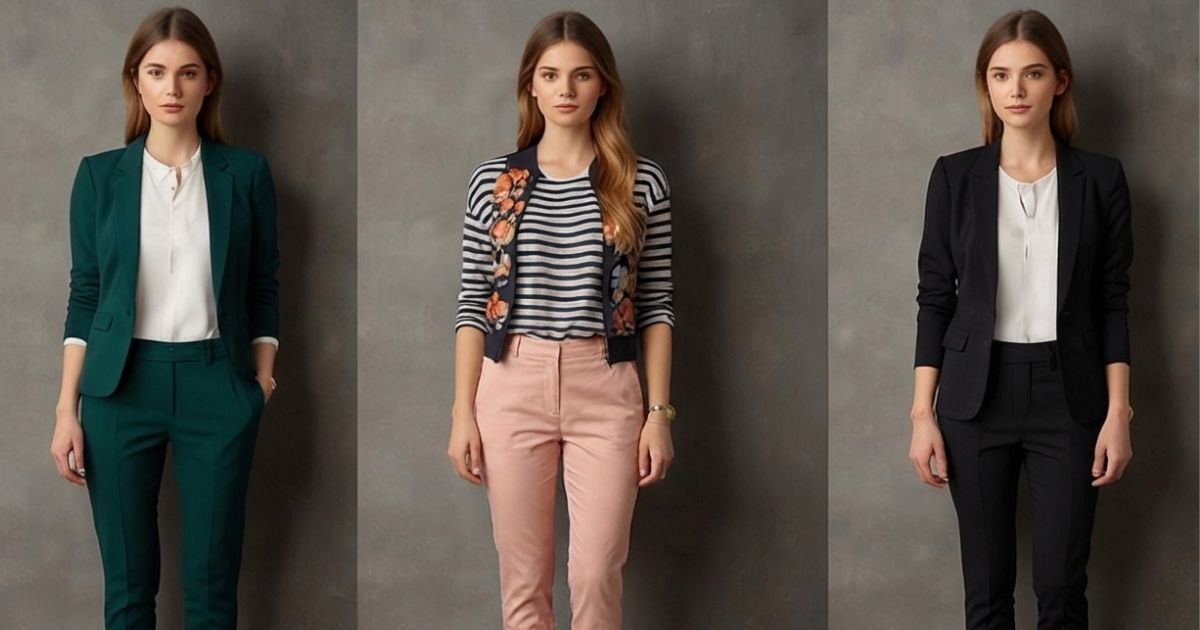
Fashion evolves quickly, but timeless principles can help anyone navigate it with confidence. Research suggests that focusing on versatile pieces like capsule wardrobes and body-positive choices leads to more satisfying outfits, though trends like electric blue or big sleeves add flair without overwhelming. It seems likely that avoiding outdated items, such as baggy jeans or micro bags, keeps looks modern. The evidence leans toward building outfits around personal style archetypes and color theory for balance, especially amid debates on age-appropriate dressing.
Key Points:
- Embrace body positivity by choosing clothes that flatter your shape without rigid rules.
- Update wardrobes with 2026 trends like gold accents and polka dots, but skip dated styles like heavy whiskering on jeans.
- Build a capsule wardrobe with essentials for effortless mixing.
- Use color theory to coordinate outfits that boost mood and visual appeal.
- Declutter closets seasonally to maintain fresh, intentional choices.
Debunking Fashion Myths
Old rules like “no white after Labor Day” or strict body-type restrictions are outdated. Modern fashion encourages experimentation, with sources noting that mixing patterns thoughtfully can create harmony rather than chaos. Focus on what feels empowering instead of fear-based etiquette.
Discovering Personal Style
Identify your style through archetypes like classic, romantic, or dramatic. Quizzes can help pinpoint preferences, leading to wardrobes that reflect your personality. For example, a minimalist might opt for neutral tones, while a bold type incorporates vibrant fashion trends.
Professional and Daily Tips
For work, lean into power suiting with modern twists like scarf coats, avoiding overly casual items. Daily decisions simplify with pre-planned outfits or the 90/90 rule for decluttering.
Imagine standing in front of your closet, feeling excited instead of overwhelmed. That’s the magic of redefining your approach to fashion. You’ve probably experienced those mornings where nothing seems right, or wondered if that trendy piece from last year still works. You’re not alone. Many women between 25 and 55 face the same challenges: shifting trends, style ruts, and the desire for a wardrobe that feels modern yet authentic. This guide to what to wear and what not to wear serves as your supportive stylist, offering practical advice to build confidence through intentional choices.
We’ll dismantle outdated rules that once dictated rigid dos and don’ts, like avoiding certain colors or shapes based on age or body type. Instead, we’ll focus on empowering principles, such as incorporating body positivity, mastering color theory, and curating a capsule wardrobe. Drawing from current insights, including 2026 trends like electric blue hues and voluminous silhouettes, this article provides actionable steps to refresh your professional and personal looks. Whether you’re decluttering your closet or coordinating outfits for a wedding, you’ll find tools to express your personal style effortlessly.
Debunking Old-Fashioned Myths
Remember the early 2000s shows that policed outfits with harsh judgments? Those days are gone. Modern fashion rejects fear-based rules, embracing inclusivity and self-expression. For instance, the myth that women over 40 can’t wear bold patterns or mini skirts ignores how age is just a number in style. Research from trend reports shows that mixing eras, like 80s glam with contemporary minimalism, creates fresh looks.
One common myth is that certain colors “clash” irrevocably. While color theory helps, rules like never pairing navy with black are outdated. Instead, experiment with analogous shades for subtle harmony or complementary ones for impact. Another debunked idea: restrictive body-type dressing. Body positivity means celebrating your shape without hiding features. Avoid the trap of “flattering” myths that promote concealment; opt for pieces that highlight what you love.
Rhetorical question: Have you ever skipped a fun trend because of an old rule? Let go of that. Focus on what boosts your mood. Real-world example: A client in her 50s ditched “age-appropriate” neutrals for polka dots, feeling vibrant at work events. The key is balance, not restriction.
Common Mistakes to Avoid
Steer clear of over-relying on fast fashion myths, like needing new items every season. Sustainable choices, such as investing in quality fabrics, outlast trends. Don’t fall for “must-have” lists that ignore your lifestyle; a capsule wardrobe tailored to you prevents regret buys.
Discovering Your Personal Style
Your personal style is your signature, evolving from daily choices. Start by reflecting on what makes you feel confident. Do vibrant fashion trends excite you, or do classics ground you? Tools like style archetype quizzes can reveal if you’re romantic (flowy dresses), edgy (leather accents), or minimalist (clean lines).
Consider your lifestyle: Busy professionals might lean toward versatile pieces, while creatives experiment more. Anecdote: A friend discovered her bohemian side after trying seasonal fashion swaps, mixing prints with ease. Use Pinterest for inspiration, but adapt to your needs.
Style Archetypes Explained
Common archetypes include:
- Classic: Timeless tailoring, neutral palettes.
- Romantic: Soft fabrics, feminine details.
- Dramatic: Bold colors, statement accessories.
- Natural: Relaxed fits, earthy tones.
Take a quick mental quiz: If you prefer jeans and tees, you’re likely natural. For drama, add gold jewelry from the 2026 trends. Mixing archetypes, like classic with dramatic, creates unique looks.
Building a Capsule Wardrobe
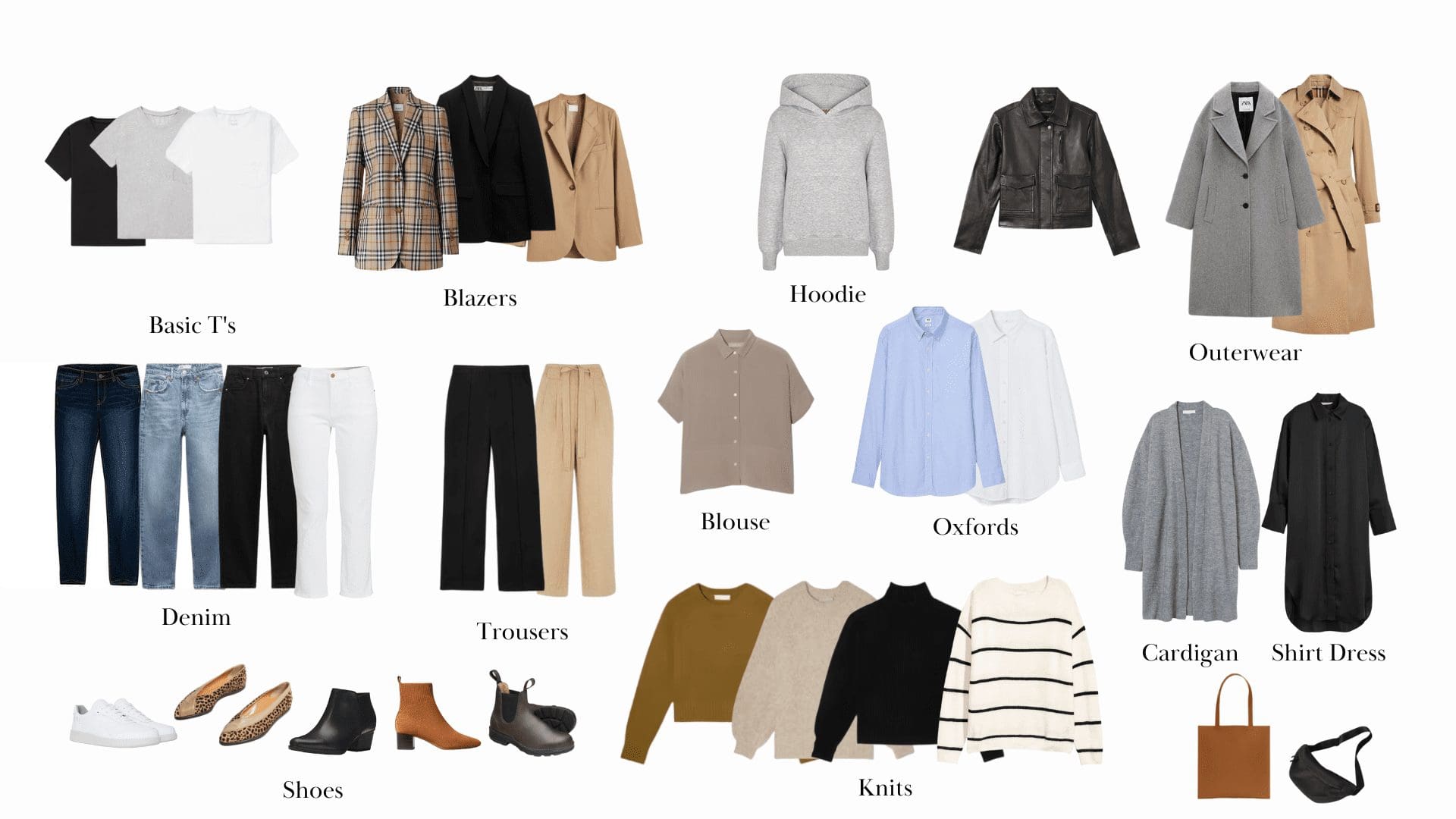
A capsule wardrobe is a curated collection of versatile, high-quality clothing that mixes effortlessly. It combats decision fatigue and promotes sustainability. Start with 20-30 pieces covering basics, like tees, pants, and layers. Focus on wardrobe essentials that suit your style archetype.
Benefits include reduced spending and environmental impact. Define your core color palette using color theory: Neutrals like black, white, gray, plus accents like electric blue for 2026. Avoid impulse buys with the “48-hour rule”: Wait before purchasing.
A 5-Step Guide to Building Your First Capsule
- Assess your closet: Keep what fits and sparks joy.
- Identify gaps: Need more tops? Prioritize.
- Choose quality: Opt for natural fibers (link to How to Care for Natural Fibers).
- Mix and match: Aim for 3-5 outfits per piece.
- Review seasonally: Swap for winter knits or summer linens.
Wardrobe Essentials
Here’s a table of must-haves:
| Category | Essentials | Why? |
|---|---|---|
| Tops | White button-down, black turtleneck, striped tee | Versatile for layering. |
| Bottoms | Straight-leg jeans, black trousers, midi skirt | Flatter most body types. |
| Outerwear | Trench coat, leather jacket, cardigan | Adapt to seasonal fashion. |
| Dresses | Little black dress, wrap dress | Easy for events. |
| Shoes | Loafers, sneakers, ankle boots | Comfort meets style. |
| Accessories | Gold necklace, scarf, belt | Elevate basics. |
Source: dashboardliving.com
What to Wear and What Not to Wear for Your Body Type
Body positivity shifts focus from “flaws” to features. No shape is wrong; it’s about balance. For pear shapes, wear A-line skirts to highlight waists, and avoid tight bottoms that emphasize hips. Hourglass? Fitted waists enhance curves.
What to wear: Structured pieces for rectangles to add shape. What not to wear: Oversized items that drown figures. Tips: Use vertical lines for height, belts for definition.
Body-Type Specific Advice
- Apple: Flowy tops, high-waisted pants.
- Inverted Triangle: Wide-leg trousers to balance shoulders.
- Rectangle: Belts, ruffles for curves.
Modern Fashion Rules for Professional Success
2026 professional fashion blends comfort with polish. What to wear: Tailored blazers, cigarette jeans over baggy. What not to wear: Micro handbags; opt for totes.
Rules: Layer for versatility, incorporate trends like funnel necks. For success, dress for the role you want, using power glam elements.
| Do | Don’t |
|---|---|
| Mix textures | Overdo logos |
| Add bold accessories | Wear ill-fitting suits |
| Choose sustainable fabrics | Ignore dress codes |
Tips for What to Wear and What Not to Wear in Your 40s
In your 40s, style matures without aging. What to wear: Structured knits, faux fur jackets. What not to wear: Long cardigans that drag; shorter ones modernize.
Tips: Incorporate metallics, column dressing for elegance. Avoid “auntie-coded” by mixing youthful trends with classics.
How to Decide What to Wear and What Not to Wear Daily
Simplify with outfit formulas: Jeans + blouse + blazer. Avoid decision fatigue by prepping nightly. Use apps for inspiration.
What not to wear: Mismatched patterns without intent. Pro tip: Check the weather and mood first.
What to Wear and What Not to Wear as a Wedding Guest
Follow dress codes: Cocktail means midi dresses. What to wear: Jewel tones, subtle prints. What not to wear: White jeans.
For 2026, add gold accents. Avoid upstaging the bride.
Outfit Coordination and Color Theory
Color theory guides harmony: Complementary colors like blue and orange pop. Use wheels for outfits. Coordinate with skin tones; warm undertones suit gold.
Tips: Monochromatic for elongation, triads for interest. Avoid clashing saturations.
Seasonal Fashion and Closet Decluttering
2026 seasons: Spring brights like sunshine yellow, winter nauticals. Declutter using the 90/90 rule: Unused in 90 days? Out.
Steps: Empty, sort, donate. Practical tip: Seasonal swaps keep closets fresh.
Table of Seasonal Essentials:
| Season | What to Wear | What Not to Wear |
|---|---|---|
| Spring | Bright block colors, sheer fabrics | Heavy burgundy |
| Summer | Flowy pants, linen | Thick knits |
| Fall | Windbreakers, gold | Micro trends |
| Winter | Scarf coats, textured layers | Dated capris |
As you wrap up this guide, remember the core takeaways: Prioritize pieces that empower you, debunk myths holding you back, and build a wardrobe around versatility and joy. Start small, perhaps by auditing your tops this weekend, and watch your confidence soar.
You May Also Like: Ultimate Guide to Colour Toners for Blonde Hair