
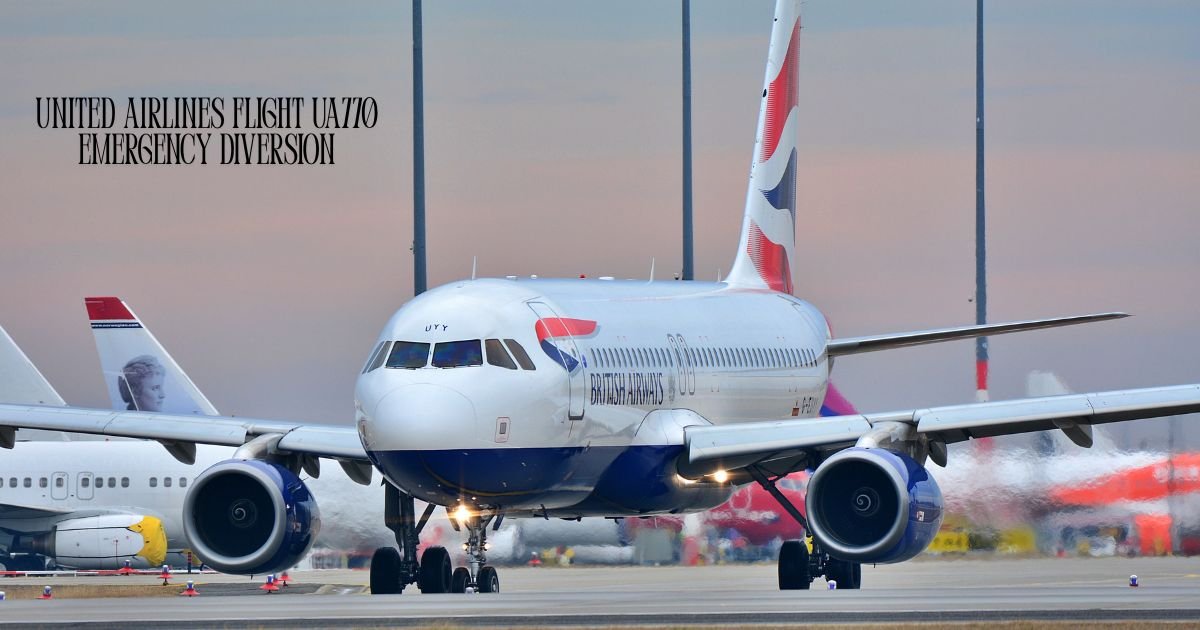
Picture this: you’re midway across the Atlantic on a routine evening flight, tray table down, maybe halfway through a movie, when the pilot’s voice cuts in. Calm, steady, but you know something’s off. That’s precisely what unfolded for the passengers and crew aboard United Airlines Flight UA770 back on May 27, 2025. What started as a standard hop from Barcelona to Chicago turned into a textbook case of aviation safety in action when the Boeing 787-9 Dreamliner suddenly declared an emergency.
If you’ve landed here searching for “United Airlines Flight UA770 emergency diversion,” you’re probably wondering what really went down, whether the flight is operating normally now, and how you can track similar flights in real time. We’ll walk through every detail, from the squawk 7700 alert that lit up radar screens to the safe landing in London and what it means for travelers today. Stick around, because these incidents, rare as they are, reveal a lot about how modern airlines keep us safe at 37,000 feet.
What Actually Happened on UA770: The Timeline
On that May evening, United Airlines Flight UA770 pushed back from Barcelona El Prat Airport (BCN) bound for Chicago O’Hare (ORD). The aircraft, a Boeing 787-9 registered N26902, carried roughly 257 passengers plus 12 crew members. Everything seemed normal during the initial climb and cruise.
Then, about 90 minutes into the flight and while over European airspace near the English Channel, the cockpit crew received an alert tied to the cabin pressurization system. These warnings are no joke. At cruising altitude, the cabin pressure equivalent is roughly 8,000 feet, kept stable by sophisticated bleed-air systems. Any glitch triggers immediate protocol.
The pilots didn’t hesitate. They squawked 7700, the universal transponder code that screams “general emergency” to air traffic control worldwide. Within minutes, the flight path shifted. Instead of pressing on across the ocean, UA770 diverted to the nearest suitable major hub: London Heathrow (LHR). Air traffic controllers cleared the way, and the Dreamliner touched down safely on Runway 27R around 4:55 PM British Summer Time. It taxied to Gate B44 for what United planned as a short technical stopover.
Honestly, this isn’t talked about enough, but the whole sequence from alert to wheels-down took less than two hours. No panic on board, no injuries reported, and passengers later described the crew as professional and reassuring. United confirmed the diversion publicly and quickly arranged rebooking, meals, and hotels for those affected.
You might wonder why London specifically. Proximity mattered, sure, but so did infrastructure. Heathrow can handle wide-body jets like the 787 on short notice, with full maintenance crews and spare parts readily available. Continuing to Chicago simply wasn’t the safest call once that pressurization flag popped up.
Breaking Down Squawk 7700: What It Really Means
Let’s pause for a second and demystify the term you’ve probably seen in every headline about this incident. Squawking 7700 isn’t some secret code. It’s the international signal pilots use when something serious enough requires immediate priority handling. Think of it as flipping on your car’s hazard lights and calling 911 at the same time, except at 500 knots and 35,000 feet.
Aviation experts compare it to the “Mayday” radio call. It automatically flags the aircraft on every controller’s screen with a bold emergency tag. In UA770’s case, it triggered a cascade of responses: priority routing, emergency services on standby at Heathrow, and coordination with United’s operations center back in the States.
Other squawk codes exist for context, but 7700 covers pretty much any urgent situation, from mechanical glitches to medical emergencies or even security threats. The key takeaway? It’s precautionary more often than catastrophic. Pilots train for this exact scenario, and modern jets like the 787 have redundant systems stacked on top of redundancies.
Live Tracking United Airlines Flight UA770 Today
Fast-forward to now, and you might be checking UA770’s status because you’re booked on it or simply curious after reading the headlines. Good news: the flight number remains active on the BCN-ORD route, and United operates it with similar 787 equipment most days.
Here’s how to stay on top of it without refreshing ten different sites:
- FlightAware or Flightradar24 apps give real-time position, altitude, speed, and any squawk codes if something pops up.
- United’s own app or website shows gate info, estimated arrival, and delay alerts.
- Set up push notifications for your specific flight. It beats staring at the departure board.
As of the latest schedules, UA770 typically departs BCN in the late afternoon local time and arrives ORD around 8-9 PM CDT the same day. But weather, mechanical snags, or even air traffic can still cause changes. If you see that 7700 pop up again, remember it’s the system working, not failing.
Why Cabin Pressurization Issues Trigger Diversions
Cabin pressurization problems sit high on the list of reasons crews divert. The 787 Dreamliner uses composite materials and advanced bleed-air management that make it more efficient than older jets, but no system is immune to sensor glitches or minor faults.
In UA770’s case, early reports pointed to an anomaly in the pressurization controls. Nothing dramatic like a rapid decompression (oxygen masks didn’t drop for passengers in most accounts), but enough of a warning that continuing the transatlantic leg posed unnecessary risk. Pilots followed the book: descend if needed, divert to the nearest qualified airport, and let maintenance sort it out on the ground.
You might not know this, but diversions happen more than you’d think, though most never make the news. Engine issues, hydraulic problems, medical events, even unruly passengers can force them. United’s quick decision here aligns with industry best practices. Safety first, schedule second.
| Common Reasons for Commercial Flight Diversions | Frequency (Rough Estimate) | Typical Outcome |
|---|---|---|
| Mechanical / Pressurization alerts | Moderate | Safe landing, quick inspection, rebooking |
| Medical emergencies | High | Passenger offloaded, possible ambulance wait |
| Weather / turbulence | Very High | Delay or reroute, rarely full diversion |
| Fuel or navigation concerns | Low | Alternate airport, extra fuel burn |
| Security or passenger behavior | Low | Law enforcement meet plane |
This table shows why UA770’s diversion fits the “better safe than sorry” category. No drama, just professionalism.
The Role of the Boeing 787-9 in Long-Haul Operations
United relies heavily on the Dreamliner for routes like BCN-ORD because it’s quieter, more fuel-efficient, and offers better cabin air quality than older aluminum aircraft. The pressurization system is a marvel, using electric compressors instead of engine bleed air, which reduces fatigue for everyone on board.
Still, when something flags, the aircraft’s design shines through. Multiple backup pressurization modes exist, and the flight envelope allows safe descent even if primary systems hiccup. In the UA770 incident, the plane performed exactly as engineered: stable approach, normal landing, no issues reported post-touchdown.
Some experts disagree on whether every alert requires a full diversion, but here’s my take: in an era where one viral video can tank an airline’s reputation, erring on the side of caution is smart business and even smarter safety policy.
Passenger Experience and What United Did Right
Passengers described a mix of confusion and relief. One traveler later shared online that the captain explained the situation clearly without causing alarm. No masks dropped. No smoke. Just a change in plans.
United stepped up afterward. They arranged alternative flights to Chicago, covered meals and hotels during the layover, and communicated via app and gate agents. Under EU261 and similar rules (since the flight originated in Europe), affected passengers may have been eligible for compensation depending on the final determination of “extraordinary circumstances.”
If you ever find yourself in a similar spot, keep receipts, note times, and ask for written confirmation of rebooking. It helps if you decide to file a claim later.
How Flight Diversions Affect Your Travel Plans
Let’s be real: diversions stink for your itinerary. Missed connections, lost hotel nights, maybe even a day of vacation gone. But statistically, they save lives or prevent bigger problems. The UA770 event caused inconvenience, not tragedy.
Airlines now use AI-driven rebooking tools that can reroute hundreds of passengers in minutes. United’s operations team rerouted most folks onto later flights or partner carriers. By the next morning, nearly everyone had reached Chicago or their final destination.
FAA and NTSB Follow-Up: What We Know Now
Investigators reviewed the sensor data and aircraft logs. Boeing reportedly looked at the 787 fleet for any similar software or hardware quirks. No widespread grounding followed, and the specific aircraft returned to service after maintenance. United has not released a final public report, but the incident reinforced existing protocols rather than exposing major flaws.
FAQs About United Airlines Flight UA770 Emergency Diversion
What caused the United Airlines Flight UA770 emergency diversion?
The most consistent reports cite a cabin pressurization system anomaly. It was serious enough to warrant the 7700 squawk and diversion but did not lead to rapid decompression or oxygen mask deployment for passengers.
Did anyone get hurt during the UA770 diversion?
No. All 257 passengers and crew disembarked safely at London Heathrow with zero reported injuries. The crew handled the situation smoothly.
Where did UA770 land and why London Heathrow?
The flight diverted to London Heathrow (LHR) because it was the nearest major airport equipped to handle a 787 Dreamliner with full emergency support. It landed on Runway 27R around 4:55 PM BST.
Is United Airlines Flight UA770 still flying the BCN-ORD route?
Yes. The flight number operates regularly. You can track today’s status on FlightAware or the United app for real-time updates.
Will passengers receive compensation for the diversion?
Possibly, under EU regulations since the flight originated in Barcelona. United provided meals, hotels, and rebooking. Check your ticket and file a claim if eligible.
How can I track future UA770 flights to avoid surprises?
Download Flightradar24 or use United’s flight status page. Enable alerts for your booking so you get notified of any changes instantly.
Has United Airlines had similar issues with UA770 since May 2025?
A separate pressurization-related diversion occurred on the same route months later, but the May 27 event remains the primary reference case. The airline continues to operate the route safely.
Final Thoughts on UA770 and Aviation Safety
Incidents like the United Airlines Flight UA770 emergency diversion remind us that flying remains the safest form of travel precisely because crews treat every warning with respect. The quick decision to divert, the transparent communication, and the flawless landing all point to systems that work when it counts.
Next time you board a long-haul flight, maybe glance at the safety card with a little more appreciation. And if you’re tracking UA770 right now, rest easy. The odds of a repeat are low, but if anything changes, the professionals are ready.
Have you ever experienced a diversion yourself? Drop a comment below or share your story. Safe travels, and keep an eye on that flight status.