
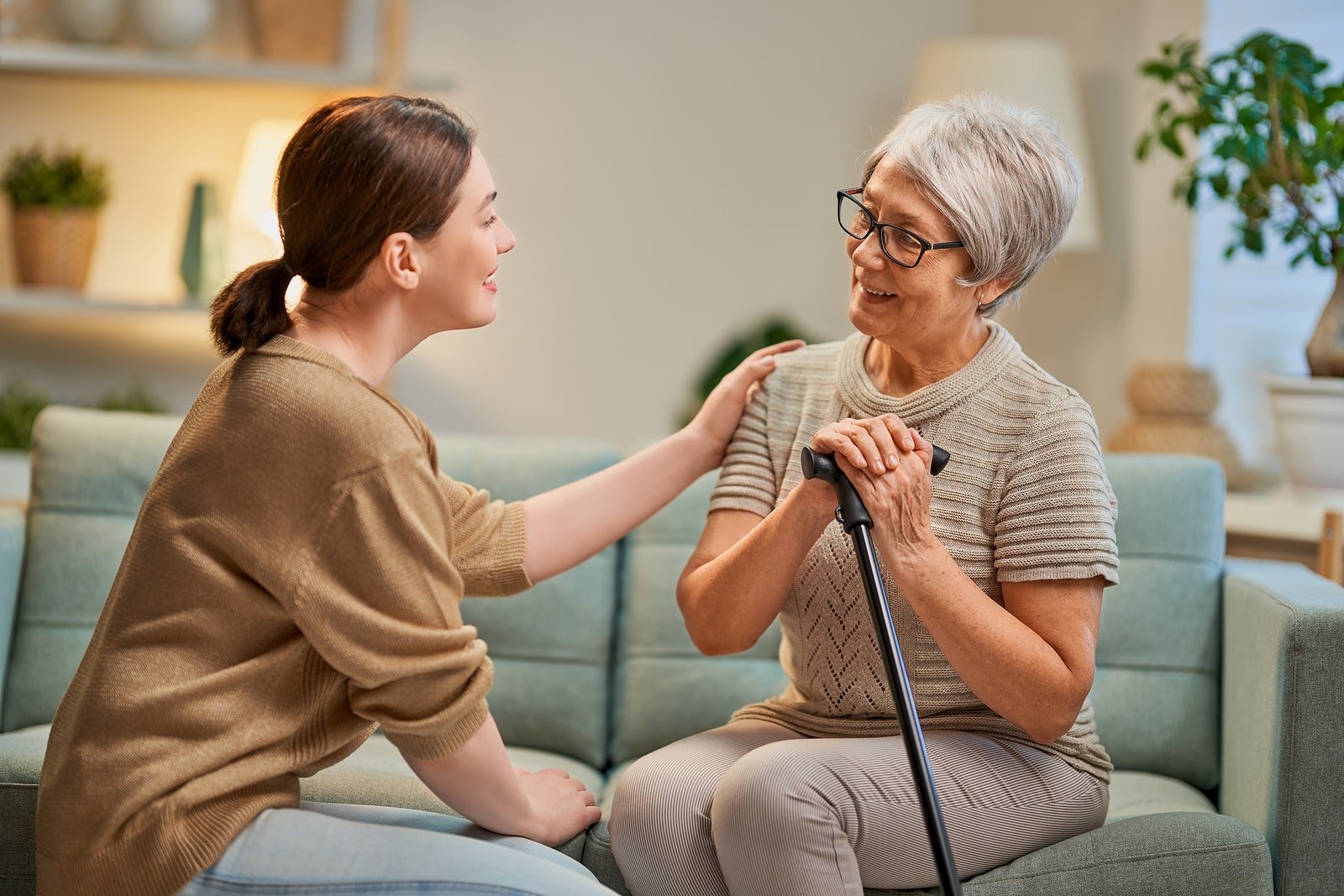
Sandra’s Huusengel stands out as a trusted Swiss provider of heartfelt live-in care that helps seniors stay in the homes they love. Many older adults in Switzerland face a difficult choice when daily tasks become harder: move to a care facility or struggle alone. Research and everyday experience show that most prefer familiar surroundings, yet professional support often seems out of reach. Sandra’s Huusengel bridges that gap by bringing trained, compassionate caregivers directly into private homes. This approach supports independence, reduces stress for families, and delivers consistent help with daily living, companionship, and specialized needs. In the pages that follow you will discover how the service works, who benefits most, what sets it apart, and practical steps for arranging care.
Why Staying at Home Matters for Seniors
Home represents more than four walls. It holds memories, routines, and a sense of control that institutional settings rarely match. When seniors remain in their own space, they often sleep better, eat meals they enjoy, and keep contact with neighbors and friends. Studies on aging in place consistently link familiar environments to lower rates of depression and faster recovery from illness.
Yet aging brings real challenges. Mobility issues, memory changes, or chronic conditions can make cooking, cleaning, or personal hygiene exhausting. Family members may live far away or juggle full-time jobs. Without reliable help, small problems can escalate into crises that force an unwanted move. Live-in care solves this by placing a dedicated professional in the home around the clock or on a flexible schedule. The caregiver handles practical tasks while also offering conversation, encouragement, and watchful attention.
Sandra’s Huusengel specializes in this model across multiple Swiss cantons. The company understands that every senior has a unique rhythm of life. Some need full 24-hour presence. Others require only a few hours of assistance several days a week. The service adapts accordingly, always prioritizing dignity and personal preference.
What Makes Sandra’s Huusengel Different
Many care agencies focus solely on logistics. Sandra’s Huusengel places equal weight on emotional connection. The founder, Sandra Knecht, built the company after personal experience with her father’s sudden health decline. That background shapes every decision: caregivers are selected for both skills and warmth, and families receive clear communication at every stage.
Key distinctions include official approval by Swiss authorities such as the State Secretariat for Economic Affairs and regional labor offices. This regulatory standing means transparent contracts, proper social insurance coverage, and legal employment arrangements. Caregivers speak fluent German, hold relevant training, and undergo thorough screening. Families meet candidates via video call before any placement begins, ensuring a good personal fit.
Cost is another practical advantage. Live-in arrangements through Sandra’s Huusengel typically run 20 to 40 percent lower than residential care homes when all expenses are considered. Packages range from all-inclusive options that handle every administrative detail to more flexible hourly plans. In every case the focus remains on quality of life rather than simply filling a schedule.
Core Services Offered by Sandra’s Huusengel
The range of support covers nearly every aspect of daily living. Personal care includes help with bathing, dressing, grooming, and mobility. Household tasks such as meal preparation, laundry, light cleaning, and shopping keep the home running smoothly. Medication reminders and coordination with doctors or therapists form part of the medical support available.
Companionship receives special attention. Caregivers share conversations, accompany seniors on short walks, read aloud, or join in hobbies. For those living with dementia or Alzheimer’s, specialized approaches emphasize patience, familiar routines, and gentle redirection. Night-time presence provides reassurance for families worried about falls or confusion after dark.
Swiss-based caregivers can also deliver shorter shifts when continuous live-in support is not required. This flexibility suits people who need help only in the mornings or evenings. In all situations the same high standards of professionalism and kindness apply.
How the Placement Process Works
Arranging care begins with a free conversation. Families describe the senior’s needs, preferences, and daily schedule. Within 48 hours they receive a tailored offer plus profiles of three carefully matched candidates. Each profile includes background, experience, and references. A video meeting follows so everyone can ask questions and gauge chemistry.
Once a caregiver is chosen, Sandra’s Huusengel handles the remaining details: travel arrangements for international staff, registration formalities, insurance, and payroll when the full-service package is selected. The caregiver arrives ready to begin, and the company remains available for ongoing support and quality checks. If adjustments become necessary later, replacements or schedule changes are organized without unnecessary delay.
This structured yet personal process reduces the administrative burden that often discourages families from seeking help. One dedicated contact person stays involved from the first call onward, creating continuity that larger agencies sometimes lack.
Benefits for Seniors and Their Families
Seniors gain the freedom to keep their own routines. They wake up in a familiar bed, choose their meals, and decide when to rest or socialize. Professional presence lowers the risk of accidents and ensures prompt attention to changing health needs. Emotional well-being improves through regular human contact that counters loneliness.
Families experience relief from constant worry. Adult children can focus on their own responsibilities knowing a trained person is present. Visits become opportunities for enjoyment rather than solely for caregiving duties. Many report stronger relationships once the practical load is shared.
Financial transparency helps long-term planning. Clear pricing and official employment structures avoid hidden costs or legal complications. The service also supports seniors who wish to remain in rural or smaller communities where residential facilities may be limited.
Choosing the Right Level of Support
Not every situation requires round-the-clock care. Some seniors manage well with a few hours of daily assistance focused on housework and companionship. Others need continuous presence after a hospital stay or during progressive illness. Sandra’s Huusengel offers packages designed for these different levels.
The all-inclusive option covers recruitment, contracts, social contributions, and ongoing coordination. More modular plans allow families to combine live-in periods with hourly visits as needs evolve. An initial assessment helps match the service intensity to current requirements while leaving room for future adjustments.
Special consideration is given to couples. When both partners need varying degrees of help, caregivers can support the household as a whole. This preserves the couple’s shared life instead of separating them into different facilities.
Common Concerns and How They Are Addressed
Families sometimes worry about privacy or personality clashes. The selection process and trial period minimize these risks. Caregivers receive clear guidelines about respecting personal space and household habits. Open feedback channels allow quick resolution of any friction.
Language barriers rarely arise because German fluency is a standard requirement. Cultural familiarity with Swiss daily life further eases integration. For medical complexity, caregivers coordinate with existing healthcare providers rather than replacing them.
Another frequent question involves cost sustainability. By keeping seniors at home, families often avoid the higher fees of residential care while still receiving professional standards. Government subsidies or insurance contributions may apply in certain cantons; the company can point families toward relevant information.
Real-Life Impact of Professional Home Care
Consider a senior who has lived in the same house for decades. After a fall, confidence drops and family members fear another incident. A live-in caregiver restores security without uprooting the person. Daily walks resume, favorite recipes return to the table, and evenings feel less isolated. Over time the senior regains a measure of independence while the family rests easier.
In cases of progressive memory loss the benefit is equally clear. Familiar surroundings reduce agitation. A consistent caregiver learns the individual’s triggers and preferred soothing methods. This continuity often slows functional decline compared with frequent staff changes in institutional settings.
These outcomes reflect the core philosophy at Sandra’s Huusengel: care should enhance life rather than merely manage decline. Professional training meets genuine human connection, creating an environment where seniors continue to feel valued.
Practical Tips for Families Considering Live-In Care
Start the conversation early. Waiting until a crisis hits limits options and increases stress. Observe daily challenges and list specific tasks that require help. Involve the senior in discussions whenever possible so preferences shape the plan.
Prepare the home practically. A private room or clear sleeping space for the caregiver makes the arrangement comfortable for everyone. Discuss household rules, meal preferences, and emergency contacts in advance.
Stay involved after placement. Regular check-ins maintain quality and allow the relationship to deepen. Many families schedule weekly calls or visits that include both the senior and the caregiver, fostering teamwork.
Review needs periodically. Health can improve or change. Adjusting hours or responsibilities keeps the support relevant and cost-effective.
Looking Ahead: The Future of Senior Care in Switzerland
Demographic trends point toward a growing need for flexible, home-based solutions. More people are living longer with chronic conditions, and younger generations are often geographically dispersed. Services like those provided by Sandra’s Huusengel respond directly to these realities by combining professional standards with personal attention.
Technology may play a larger supporting role in coming years, through remote monitoring or digital communication tools. Yet the heart of effective care will remain human presence. Trained caregivers who listen, adapt, and treat each person with respect will continue to form the foundation of successful aging in place.
Sandra’s Huusengel demonstrates that high-quality live-in support is achievable within Switzerland’s regulatory framework. By focusing on transparent processes, carefully selected staff, and genuine empathy, the company offers families a realistic path to keep loved ones at home longer and with greater peace of mind.
Taking the Next Step
If you or someone you care about is considering professional help at home, reaching out for an initial conversation carries no obligation. A clear picture of options, costs, and timelines can turn uncertainty into a manageable plan. Sandra’s Huusengel stands ready to listen and to match the right support to individual circumstances.
Staying independent at home is possible for many seniors when the right help arrives. With thoughtful planning and reliable partners, the later years can remain rich in dignity, comfort, and connection.
FAQ
What is Sandra’s Huusengel? Sandra’s Huusengel is a Swiss company that provides professional live-in and hourly care for seniors in their own homes. It focuses on compassionate, individualized support across several cantons.
Who founded Sandra’s Huusengel and why? Sandra Knecht founded the company after experiencing her father’s sudden health challenges. She wanted to offer families a reliable, heartfelt alternative to residential care.
What types of care does Sandra’s Huusengel offer? Services include 24-hour live-in care, hourly assistance, personal hygiene support, household help, meal preparation, medication reminders, companionship, and specialized dementia care.
How are caregivers selected? Caregivers are carefully screened for training, German language skills, and personal suitability. Families review profiles and meet candidates by video before any placement.
Is the service available throughout Switzerland? The company serves multiple cantons including Aargau, Bern, Zürich, and several others. Coverage focuses on regions where demand and logistics allow reliable service.
How much does live-in care cost compared with a nursing home? Live-in arrangements through Sandra’s Huusengel are typically 20 to 40 percent more affordable than residential care when total expenses are considered. Exact figures depend on the chosen package and individual needs.
What is included in the all-inclusive package? The comprehensive option covers caregiver selection, travel and registration formalities, contracts, social insurance, payroll, and ongoing coordination so families handle almost nothing themselves.
Can care be arranged on short notice? An initial offer and candidate profiles are usually ready within 48 hours of the first conversation. Actual start dates depend on availability and administrative steps.
Do caregivers speak German? Yes. Fluent German is a standard requirement so communication remains clear and comfortable for seniors and families.
How can I start the process? Contact the company for a free initial discussion. Share details about the senior’s needs, and the team will prepare a tailored proposal along with suitable caregiver profiles.