
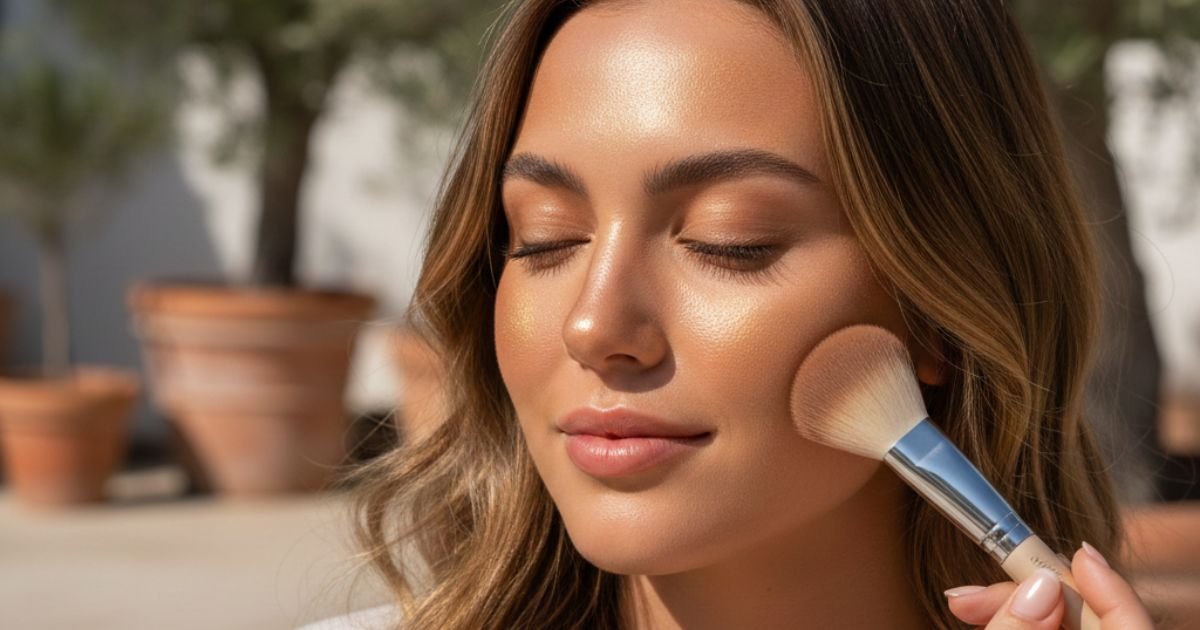
Have you ever applied bronzer only to end up looking like you dipped your face in carrot juice? Trust me, we’ve all been there, and it’s not a cute vacation souvenir. As a makeup enthusiast who’s had her share of orange mishaps, I get the frustration of wanting that effortless sun-kissed glow without the risk of UV damage or patchiness. That’s why this guide is here: to walk you through how to use bronzer like a pro, from picking the perfect shade to mastering application techniques that flatter your unique features. Whether you’re a beginner dodging muddy results or an intermediate user refining your routine, you’ll gain the confidence to achieve a healthy, natural radiance that feels like golden hour, every day.
What Is Bronzer and Why Should You Use It?
Bronzer is a makeup product designed to mimic the warmth of sun exposure on your skin, adding a subtle tan without the harmful rays. Unlike self-tanners, it’s temporary and buildable, making it ideal for daily use. The key benefit? It warms up your complexion, creating that coveted sun-kissed glow while enhancing your natural features.
The Difference Between Bronzer and Contour
Many people confuse bronzer with contouring, but they’re not the same. Bronzer adds warmth and a healthy flush, often with golden undertones, while contour creates shadows to sculpt and define, using cooler, neutral shades. For example, apply bronzer where the sun naturally hits (like your cheeks and forehead), but use contour under cheekbones for structure. Mixing them up can lead to a flat or unnatural look, so start with bronzer for glow and layer contour sparingly if needed.
Benefits of Adding Bronzer to Your Routine
Incorporating bronzer can transform a dull complexion into something vibrant and alive. It boosts confidence by faking a post-vacation vibe, especially in the winter months. Plus, it’s a safer alternative to tanning beds, protecting your skin from premature aging. For beginners, it simplifies makeup: a quick sweep can make you look put-together in minutes. Intermediate users love it for layering with blush or highlighter to create dimension.
How to Choose the Right Bronzer for Your Skin
Selecting the perfect bronzer starts with understanding your skin’s needs. Go one to two shades darker than your natural tone to avoid an overly dramatic or muddy effect. Test shades on your jawline in natural light for the best match.
Matching Bronzer to Your Skin Undertones
Your skin undertones (warm, cool, or neutral) play a huge role. Warm undertones suit golden or peachy bronzers, like those with yellow hues. Cool undertones pair well with rosy or taupe options to prevent orange tones. Neutral skins can experiment with both. A quick tip: look at your veins; blue means cool, green means warm.
Cream Bronzer vs Powder Bronzer: Which to Pick
Cream formulas melt into the skin for a dewy, natural finish, ideal for dry or mature skin types as they hydrate and blend seamlessly with fingers or a sponge. They’re great for buildable coverage and a no-makeup makeup look. On the flip side, creams can feel heavy on oily skin and may require setting with translucent powder to last.
Powder bronzer is beginner-friendly, offering easy blending with makeup brushes and a matte finish that controls shine, perfect for oily or combination skin. It’s versatile for all-day wear but can emphasize dryness if not prepped with moisturizer. Pros: long-lasting and less messy. Cons: harder to blend on textured skin.
Matte vs Shimmer: When to Use Each
Matte vs shimmer depends on your desired vibe. Use matte for a subtle, everyday complexion warming that mimics real sun exposure without drawing attention to pores. It’s excellent for oily skin or professional settings.
Shimmer adds a radiant golden hour look, reflecting light for evenings or dewy styles. Avoid heavy shimmer on textured areas to prevent highlighting imperfections. Layer matte first for depth, then shimmer on high points. Recent innovations include soft-focus shimmers that suit all ages.
Essential Tools for Flawless Bronzer Application
The right tools make all the difference in avoiding streakiness. Invest in quality for even results.
Best Bronzer Brush for Natural Look
For powder, a fluffy, angled bronzer brush like the Sephora Pro Bronzer Brush #80 allows light, diffused application. It picks up just enough product for blending without overload. For creams, opt for a dense synthetic brush or beauty sponge to press and blend seamlessly.
Other Tools: Sponges, Fingers, and More
Fingers work wonders for cream formulas, using body heat to melt product for a skin-like finish. Beauty sponges provide airbrushed results, especially when dampened for sheer application. Avoid stiff brushes that cause patches; go soft and tapered.
Step-by-Step Guide: How to Apply Bronzer for Beginners
Ready to dive in? Follow this easy routine for a foolproof glow.
Prep Your Skin for Even Application
Start with cleansed, moisturized skin. Apply foundation or BB cream first for a smooth base. If using cream bronzer, layer before powders; for powder bronzer, after. This prevents patchiness and ensures longevity.
The Classic 3-Shape Application Technique
Visualize a “3” or “E” on each side of your face: sweep bronzer from forehead temples, along cheekbones, to jawline. This hits natural sun spots for a balanced sun-kissed glow. Use light strokes and build gradually.
Bronzer Techniques for Different Face Shapes
Tailor placement to flatter your face shape. For round faces, focus on the temples and jaw to elongate. Oval shapes can go all over for harmony. Heart faces benefit from cheek emphasis to balance the forehead. Square faces soften with circular blending on edges. Diamond shapes add width at cheeks.
Layering with Blush and Highlighter
After bronzer, add blush on apples for flush, then highlighter on high points for dimension. This creates a cohesive look. Avoid over-layering to keep it natural.
Solving Common Pain Points: How to Stop Bronzer from Looking Muddy
We’ve all faced orange disasters or uneven spots. Here’s how to fix them.
Avoiding Patchy Application
Blend, blend, blend! Use circular motions with your brush. If patchy, dampen a sponge to smooth. Prep with primer for grip.
Fixing Orange Tones and Wrong Shade Issues
Wrong shade? Mix with the foundation to neutralize. Prevent by swatching in-store. For oily skin, set with powder to lock color.
Tips for Oily, Dry, or Mature Skin
Oily: Matte powders control shine. Dry: Cream formulas hydrate. Mature: Opt for buildable, soft-focus options to avoid settling in lines. Ingredient spotlight: Hyaluronic acid in bronzers like Chanel Les Beiges adds moisture.
Bronzer Hacks and Pro Tips
Elevate your game with these gems. Mix bronzer with moisturizer for a tinted glow. Use on the body for continuity. For a quick fix, apply to eyelids for subtle eye warmth.
Personal anecdote: I once over-applied shimmer bronzer before a date, looking like a disco ball. Lesson learned: less is more, and always check in different lights.
Current trend: Multi-use sticks for on-the-go, like Merit Bronze Balm.
Recommended Bronzers for 2026
Based on recent reviews, try NARS Laguna for universal appeal, or drugstore fave NYX Buttermelt for budget glow. For fair skin, cooler tones like Fenty Sun Stalk’r. Deeper tones: Chanel Les Beiges in richer shades.
| Bronzer Type | Best For | Top Pick | Price Range |
|---|---|---|---|
| Powder | Oily Skin, Beginners | Bobbi Brown Bronzer Powder | $40-50 |
| Cream | Dry Skin, Natural Look | Saie Sun Melt | $30-40 |
| Matte | Everyday Wear | NYX Buttermelt | $10-20 |
| Shimmer | Evening Glow | Hourglass Ambient | $50-60 |
In wrapping up, mastering how to use bronzer boils down to choosing the right shade, formula, and technique for your skin. You’ll dodge common pitfalls like orange tones or muddiness, landing a seamless sun-kissed glow that boosts your routine. Start simple: grab a beginner-friendly powder, practice the 3-shape, and build from there. Your skin will thank you for the healthy alternative to sunbathing. Ready to glow? Try it today and tag a friend who’s bronzer-shy.
You may also like: 80s Hip Hop Fashion: Trends, Brands & Icons Guide