
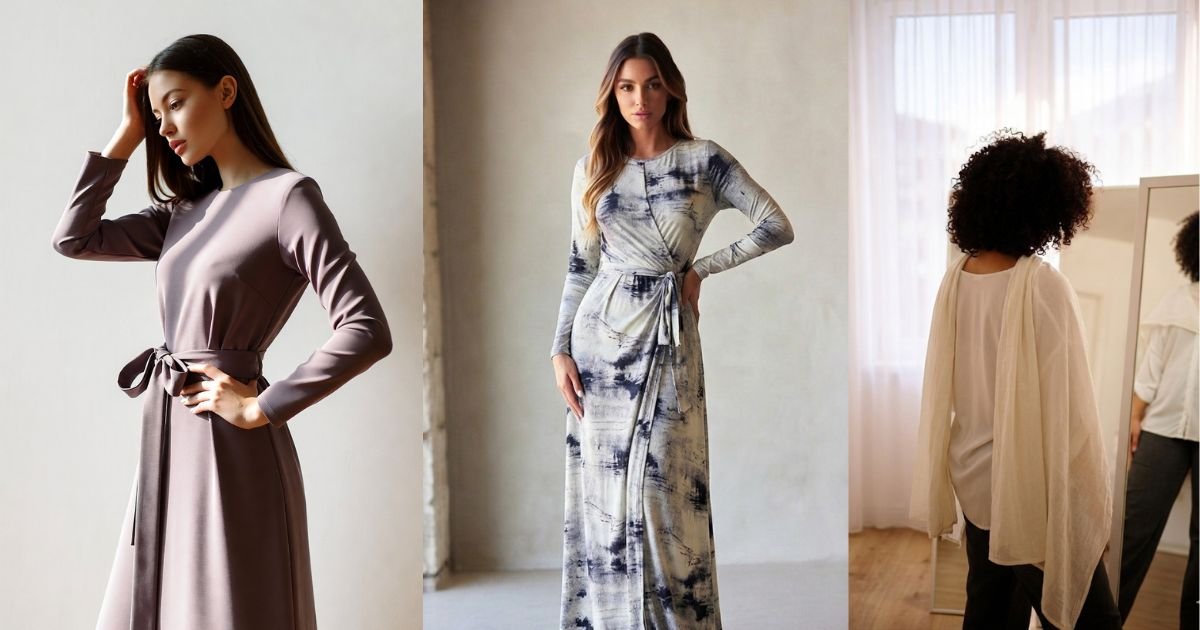
Tired of clothes that never quite look right on you, even when they look amazing on someone else? You are not alone. Most people feel this frustration at some point. The solution is simpler than you think. When you learn how to dress for your body type, everything changes. Shopping becomes easier, outfits feel more intentional, and your confidence grows because your clothes finally work with your natural shape instead of against it.
This ultimate styling guide walks you through how to identify your body shape and choose the most flattering dress silhouettes and outfit combinations. You will discover practical tips that help you highlight your best features while creating beautiful balance. Whether your goal is to feel polished for work, comfortable for weekends, or stunning for special occasions, these strategies deliver real results.
How to Identify Your Body Type
Start with a few simple measurements. Grab a soft measuring tape and stand in front of a mirror wearing fitted clothes or underwear. Measure your bust at the fullest point, your waist at its narrowest (usually just above the belly button), and your hips at the widest point around your lower body. You can also note your shoulder width visually or with help.
Compare the numbers:
- Bust and hips roughly equal with a defined waist (at least 8-10 inches smaller): hourglass body type.
- Hips noticeably wider than bust and shoulders: pear body type (also called triangle).
- Bust or shoulders broader than hips: inverted triangle body type.
- Waist is the widest measurement or you carry more weight through the middle: apple body type.
- Bust, waist, and hips are similar with little natural definition: rectangle body type.
Your body type is about proportions, not a number on the scale. Many women are a blend of two types, and that is completely normal. The real power of learning how to dress for your body type comes from using these proportions as a guide rather than a strict rule. Take front and side photos in good lighting if you want extra clarity.
Dressing the Hourglass Body Type
You already have natural curves and a defined waist. Your goal is to celebrate that shape without adding bulk or hiding your waist.
Best dress silhouettes: Wrap dresses, fit-and-flare styles, belted sheath dresses, and any dress with a defined waist. These styles cinch exactly where you want attention and let the skirt flow over your hips.
Tops that work well: Fitted styles, V-necks, sweetheart necklines, and peplum details. Bottoms that flatter: Pencil skirts, slim trousers, or flared jeans that balance your curves. What to avoid: Boxy blazers, shapeless shift dresses, and anything too loose through the waist.
Real-world styling example: A soft jersey wrap dress in a rich jewel tone paired with simple heels creates an instant polished look for dinner or date night. The tie sits at your natural waist and the skirt skims beautifully over your hips.
Pro tip: Add a thin belt in a contrasting color or texture to further emphasize your waist. Monochrome outfits elongate your silhouette while still showing off your curves.
Dressing the Pear Body Type
Your hips are fuller than your upper body. The goal is to add visual interest and width to your shoulders and bust while letting the lower half flow freely.
Best dress silhouettes: A-line dresses and fit-and-flare styles that flare from the waist or just below the bust. Off-the-shoulder, boatneck, and puff-sleeve details help balance your proportions.
Tops that work well: Structured shoulders, bright colors, patterns, and details like ruffles or embroidery on top. Bottoms that flatter: Darker colors on the bottom, A-line or flared skirts, and wide-leg trousers. What to avoid: Tight pencil skirts, clingy fabrics on the hips, and low-rise styles that emphasize the hip line.
Real-world styling example: Choose an A-line midi dress with a boat neckline and cap sleeves. Add a statement necklace to draw the eye upward. The skirt skims over your hips without clinging, creating beautiful balance.
Pro tip: Place brighter colors or patterns on your upper body and keep darker, solid colors on the bottom. This simple color strategy instantly balances your silhouette.
Dressing the Apple Body Type
You carry more weight through the middle or have a less defined waist. The goal is to create length through the torso and either define a higher waist or let fabric flow gracefully over the middle.
Best dress silhouettes: Empire waist dresses (seam sits right under the bust), shift dresses, and flowy A-line styles with V-necklines. These draw the eye vertically and skim the tummy area.
Tops that work well: V-necks, deep scoop necks, and styles with subtle ruching or draping through the middle. Bottoms that flatter: Bootcut or straight-leg trousers, skirts that start at the narrowest part of your torso, and dark denim. What to avoid: Clingy knits at the waist, belts exactly at your widest point, and high-waisted items that cut across the fullest part of your tummy.
Real-world styling example: An empire waist maxi dress in a lightweight fabric with a subtle vertical print looks elegant and feels comfortable. Add a long pendant necklace to further elongate the torso.
Pro tip: Look for dresses with slight structure or a bit of stretch that skims rather than clings. Good undergarments with light smoothing make a noticeable difference in how clothes hang.
Dressing the Rectangle Body Type
Your measurements are similar throughout with less natural waist definition. The goal is to create the illusion of curves and a waist.
Best dress silhouettes: Wrap dresses, belted shirt dresses, peplum styles, and dresses with ruching or gathering at the waist. These add the shape your frame needs.
Tops that work well: Peplum tops, styles with waist details, and layered looks. Bottoms that flatter: Flared or wide-leg trousers, skirts with volume, and high-waisted styles you can belt. What to avoid: Straight column dresses with no waist detail and overly boxy shapes that add no dimension.
Real-world styling example: A belted shirt dress in a medium-weight fabric lets you cinch the waist exactly where you want it. Choose a style with a full skirt to add feminine volume.
Pro tip: Use color blocking or diagonal patterns to create visual interest and the appearance of a waist. A well-placed belt is your best friend for rectangle shapes.
Dressing the Inverted Triangle Body Type
Your shoulders or bust are broader than your hips. The goal is to soften the upper body and add volume or detail to the lower half for balance.
Best dress silhouettes: A-line dresses and full-skirted styles that flare from the waist. Details like pockets, ruffles, or prints on the skirt help draw the eye downward.
Tops that work well: V-necks, scoop necks, and simpler necklines without heavy shoulder details. Darker or solid colors on top. Bottoms that flatter: Lighter colors, patterns, or textures on the bottom. Wide-leg trousers and full skirts add the width you need. What to avoid: Puff sleeves, boatnecks, shoulder pads, and tight skirts that make hips look even narrower.
Real-world styling example: A dark V-neck top paired with a bright or printed A-line skirt creates instant balance. The skirt adds volume exactly where you want it.
Pro tip: Choose dresses with wider straps or halter styles if they feel comfortable. These soften the shoulder line while still allowing you to show off great arms or décolletage.
Universal Principles That Help Every Body Type
These strategies work no matter which shape you identify with most:
- Balance your proportions by adding visual weight where you have less and minimizing where you have more.
- Highlight your favorite features instead of trying to hide everything. Love your legs? Choose a dress with a slit or shorter hem.
- Use lines strategically. Vertical seams and prints elongate. Horizontal details add width where you place them.
- Prioritize proper fit. The most flattering garment is the one that fits your actual body today. A good tailor can transform almost any piece.
- Choose fabrics that work with your shape. Structured fabrics add shape. Soft drapey fabrics skim and camouflage gently.
- Experiment with color and pattern. Dark colors recede. Brights and prints advance. Use this to your advantage.
Common Mistakes to Avoid
Many women make these errors when trying to dress for their body type:
- Buying clothes based on the size tag instead of how they actually fit and flatter.
- Following trends blindly without checking if they suit your proportions.
- Wearing everything too tight or too loose. Both extremes can make you look larger or shapeless.
- Ignoring undergarments. The right bra and light shapewear change how clothes sit on your body.
- Forgetting that body types can shift with weight changes, age, or even posture. Reassess every couple of years.
The fix is simple. Always try clothes on, move in them, and ask yourself one honest question: “Do I feel good in this?”
Start Dressing for Your Body Type Today
Understanding how to dress for your body type gives you a powerful advantage. You stop guessing and start choosing pieces that make you look and feel amazing. From wrap dresses that celebrate curves to A-line dresses that create beautiful balance, the right silhouettes are waiting for you.
You do not need a complete wardrobe overhaul. Begin with one or two new dresses or outfits that follow these guidelines. Notice how much easier it becomes to get dressed and how much more confident you feel when your clothes actually suit your shape.
Grab your measuring tape this weekend, discover your body type, and start building a collection that works for you. Your most flattering wardrobe is closer than you think, and the best part is you get to enjoy the process. Which body type resonates with you most? The transformation starts now.
You may also like: Nike Killshot 2 Leather Sneakers: Style Guide & Fit Tips