
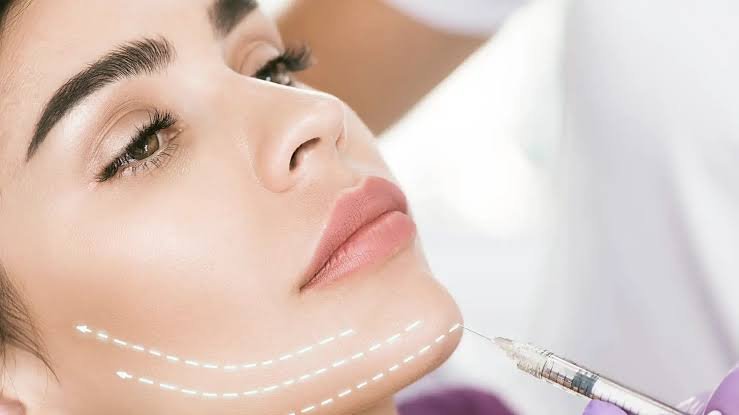
Understanding Comprehensive Body Contouring
Comprehensive body contouring is an integrated approach to reshaping the torso and waistline that combines surgical precision with aesthetic vision. Rather than focusing on a single isolated area, this approach considers the interplay between the abdomen, flanks, back, and sometimes the lower chest and hips. By addressing these contiguous regions in a coordinated plan, surgeons can achieve balanced proportions and smoother transitions that enhance the natural silhouette. Patients often seek this level of refinement when diet and exercise have reached their limits but stubborn deposits and loose skin persist. The goal is not only fat removal, but also skin tightening, muscle repair where necessary, and refined contouring for long-lasting, harmonious results.
The Science Behind Waistline Transformation
Modern contouring relies on advanced liposuction techniques, energy-assisted devices, and sometimes excisional procedures like abdominoplasty. Liposuction removes excess adipose tissue to reveal the underlying shape, while energy-based modalities can stimulate collagen remodeling to improve skin laxity. When diastasis recti or weakened abdominal muscles contribute to a protruding midsection, plication or muscle repair is incorporated to restore core integrity. Surgeons plan incisions and fat removal patterns to respect lymphatic drainage and minimize irregularities. The integration of these methods produces a four-dimensional outcome: volumetric change, surface smoothness, structural support, and dynamic movement that looks natural when the patient sits, stands, or moves.
Candidate Assessment and Customized Planning
A successful waistline transformation begins with a comprehensive evaluation. Surgeons assess skin elasticity, fat distribution, muscle tone, previous surgical history, and the patient’s aesthetic goals. Health factors such as smoking, chronic conditions, and realistic expectations are also considered. A customized plan outlines which regions to treat, the combination of techniques to use, anticipated scar placement, and a recovery timeline. This individualized strategy ensures that the contouring is proportional to each patient’s anatomy and lifestyle. Clear communication between surgeon and patient about achievable results and potential trade-offs is crucial for satisfaction.
Techniques That Shape the Waistline
Surgeons choose from a palette of tools to sculpt the waistline. Traditional suction-assisted liposuction remains the backbone for removing excess fat. Ultrasound-assisted and laser-assisted liposuction allow for selective tissue heating that can facilitate fat removal and promote skin contraction. Power-assisted devices enable finer, more efficient sculpting for defined contours. When excess skin is significant, a tummy tuck can excise redundant tissue and reposition the belly button to maintain a natural appearance. In select cases, fat grafting to adjacent areas like the hips or buttocks can create smoother transitions and enhance an hourglass figure. The art lies in blending subtractive and additive techniques to craft a balanced result.
Combining Procedures for Seamless Results
To achieve optimal waistline results, multiple interventions are often performed in the same operative session. Treating the back, flanks, and abdomen together prevents the appearance of step-offs or disproportionate areas left untreated. When gynecologic procedures or breast contouring are part of a patient’s plan, coordinating timing can reduce overall recovery and help maintain aesthetic harmony. Surgeons also consider lymphatic flow and scar placement so that the eventual silhouette appears cohesive from every angle. Combining procedures requires meticulous planning but can significantly enhance patient satisfaction and decrease cumulative anesthesia exposure.
Recovery, Results, and Long-Term Maintenance
Recovery protocols focus on minimizing complications while supporting a smooth healing trajectory. Compression garments help control swelling, guide tissue settling, and improve comfort during the initial weeks. Early ambulation reduces the risk of thrombosis, and staged return to exercise protects delicate repair sites while promoting circulation. Visible results appear as swelling resolves, but full maturation of contours may take several months. Patients retain their new shape best when they maintain stable weight, exercise regularly, and adhere to healthy nutrition. Periodic follow-ups ensure any minor irregularities are addressed promptly and that long-term outcomes remain satisfying.
Real-World Options and Local Considerations
Access to experienced surgeons and facilities that prioritize safety is a key consideration. Many reputable practices offer detailed consultations, imaging or simulation to preview potential outcomes, and thorough preoperative education. For those researching local options, it helps to look for board certification, published before-and-after galleries, and documented experience with multi-region contouring. In markets with diverse offerings, comparing technique-specific expertise and patient reviews aids decision-making. Patients from different backgrounds may have unique anatomic considerations that only a personalized consultation can fully address, ensuring the plan aligns with their lifestyle and goals.
Choosing the Right Practice
Selecting the right provider involves more than price; it requires trust in the surgeon’s judgment and an understanding of their approach to safety and aesthetics. During consultation, questions about complication rates, revision policies, and the care team’s experience are reasonable and important. Facilities accredited for outpatient surgery and staffed with qualified anesthesia providers contribute to smoother perioperative care. For individuals researching options in major metropolitan areas, looking for practices that specifically advertise comprehensive contouring solutions can streamline the search. Many clinics in larger cities offer combined approaches and tailored aftercare to support the best possible waistline transformation, and some even feature services like lipo 360 houston as part of their comprehensive menu.
Realistic Expectations and Personal Empowerment
Ultimately, comprehensive body contouring is a partnership between patient and surgeon. Realistic expectations grounded in careful assessment yield the highest satisfaction. While contouring can profoundly improve waistline proportions and self-confidence, it is not a substitute for healthy lifestyle habits. Patients who approach the process with clear goals, an understanding of the recovery commitment, and a plan for maintenance are most likely to enjoy enduring, natural-looking results. When done thoughtfully, comprehensive contouring can restore proportion, refine shape, and empower individuals to move through their daily lives with increased comfort and poise.
 Gleamze