
Walk into any busy fabrication facility or manufacturing bay at the end of a long shift, and you will spot a common theme among the crew. People are rubbing their temples, blinking rapidly under the harsh overhead fluorescent tubes, and complaining about a dull headache.
We talk a lot about protecting workers from obvious physical hazards like flying metal shards or heavy equipment drops. Those are absolute non-negotiables. But there is a silent, creeping workplace issue that gets ignored way too often: eye fatigue.
Straining to see fine details in poorly lit bays or enduring constant, flickering light levels drains an operator’s energy fast. It ruins productivity, damages long-term vision, and leads to careless mistakes on the floor. Upgrading a shop’s safety blueprint means focusing on modern features that actively protect your team’s visual stamina.
1. High-Frequency Smart LED High-Bays
Old-school industrial lighting like metal halide fixtures or cheap fluorescent tubes are notorious for a subtle, high-speed flicker. You might not see it consciously, but your pupils are constantly dilating and contracting to adjust to it.
Upgrading to premium, high-frequency smart LED fixtures mimics natural daylight and delivers an absolute rock-solid stream of light. Look for setups featuring intelligent dimming zones that adjust their output based on the amount of sunlight coming through shop skylights. By eliminating flicker and maintaining a steady contrast level across the floor, you wipe out that heavy, exhausted feeling people get after a few hours at their stations.
2. High-Definition Auto-Darkening Optics
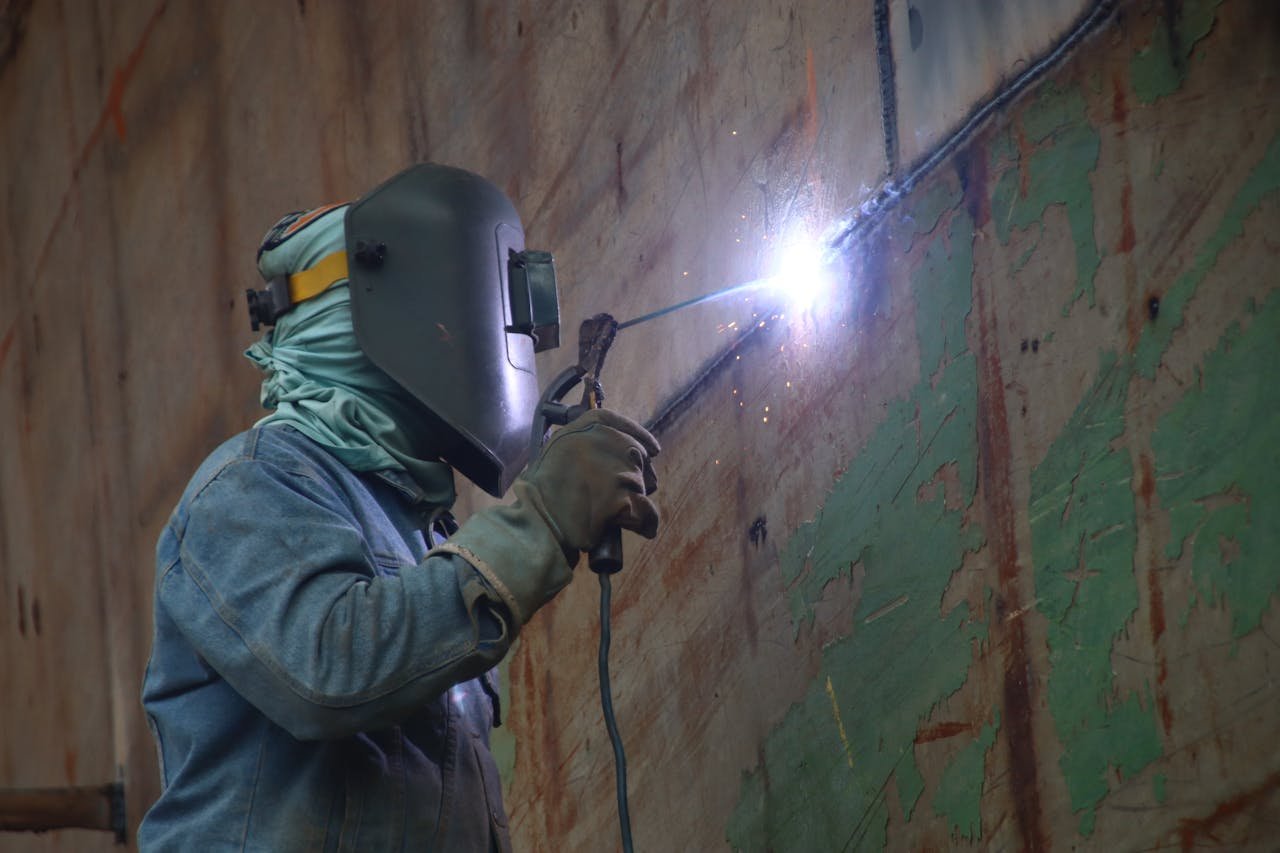
For anyone performing precision fusion work, the eyes are under constant assault. Watching a burning arc means dealing with blinding light flashes and intense ultraviolet rays all day.
Traditional dark glass shields protect your retinas from burning, but they make it impossible to see your workspace clearly before you strike your arc. This forces operators to constantly flip their hoods up and down to check their alignment, creating massive visual strain as their eyes try to jump between pitch blackness and bright shop lighting. Utilizing high-end miller welding helmets solves this completely through crystal-clear, true-color lens technology. They allow you to see your work area in high definition while in the light state, instantly darkening to a precise shade the microsecond the arc ignites, saving your eyes from drastic, repetitive light shifts.
3. Balanced Contrast Engineering on Machine Frameworks
When a machinist is trying to read small measurement dials or watch a tiny cutting tool bite into a dark steel block, the background environment matters immensely. If the machine body is a dark, oily gray and the workspace is cast in deep shadow, the eye muscles have to work incredibly hard to distinguish fine lines.
Modern facility design uses high-contrast color schemes on industrial machinery to reduce this strain. Painting safety guards, feed handles, and tool areas in bright, light-reflective tones makes the actual work area pop naturally without needing to blind the operator with a direct spotlight.
4. Financial Wellness and Stress Management
It might sound strange to list finances under workshop safety features, but mental distraction is one of the leading causes of workplace injuries. When an operator is sick with worry over an unexpected car breakdown or a sudden household emergency, their focus slips, their eyes wander, and they miss critical visual safety cues on the floor.
Providing resources or flexible support options that help employees handle sudden personal crises keeps their minds clear and their eyes locked on the job. While some workers turn to rapid alternative lending options like Lamina to bridge brief cash emergencies between paychecks without waiting on traditional, slow-moving banks, establishing a robust internal support system or emergency fund option within your company helps ensure your team stays focused, calm, and safe while operating heavy machinery.
5. Multi-Directional Task Lighting Matrix
Flooding a shop floor with massive overhead lighting is only half the battle. If a worker has to lean over a workbench to assemble a tight component, their own head and shoulders end up casting a massive shadow right over their hands.
Instead of cranking up the main room brightness to blind levels, smart shops install a matrix of adjustable, localized task lights right at the workstations. Gooseneck lights or magnetic LED bars let the user position a clean, diffused beam of light from the side or bottom, entirely erasing shadows. This localized illumination lets workers read blueprints and check tolerances without leaning in uncomfortably close or fighting their own shadow lines.
 Arthur