
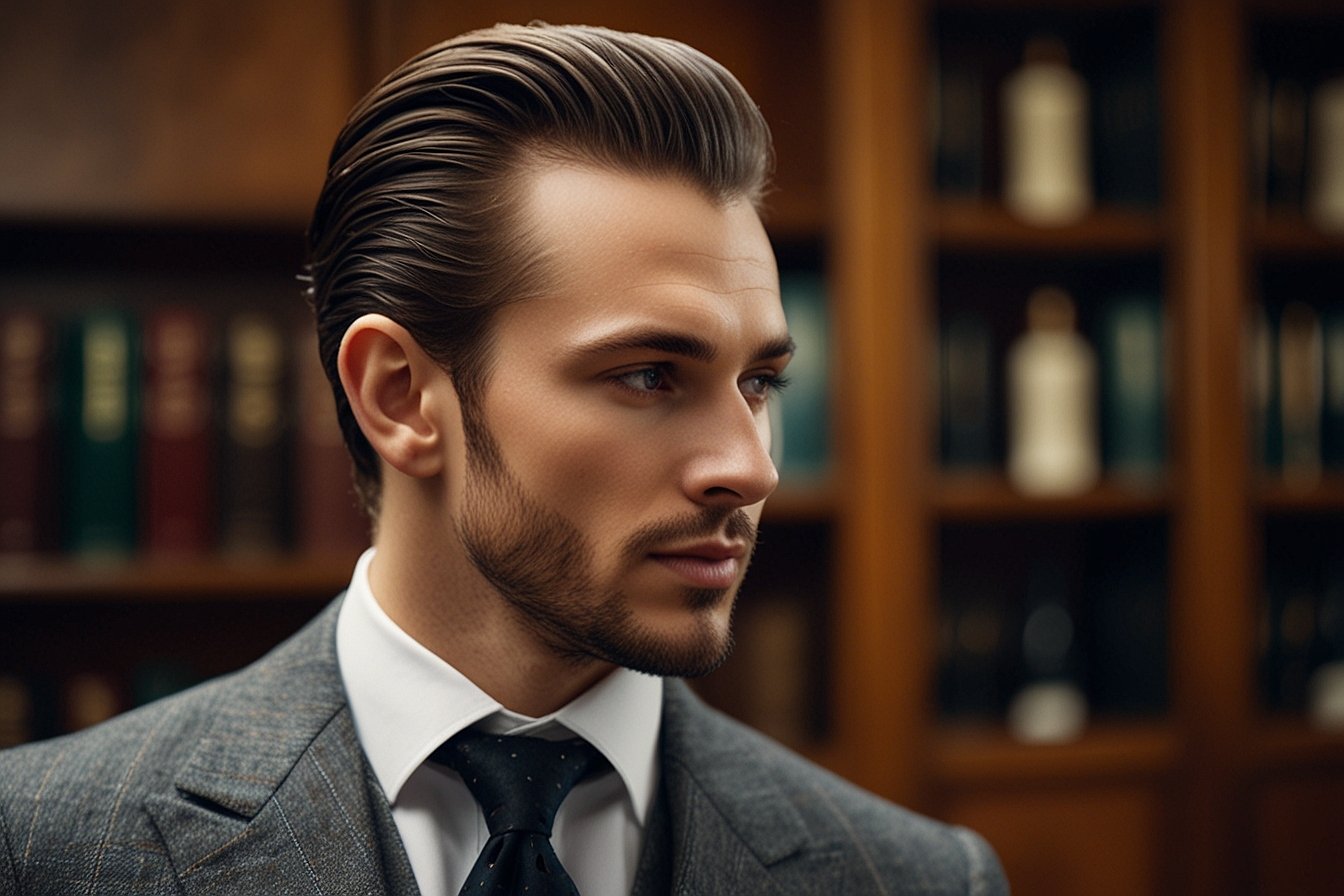
Key Points on Slick Back Hair
- Timeless Appeal: Slick back hair remains a classic hairstyle that boosts confidence and suits professional or casual settings, with trends leaning toward sharper, architectural looks in 2026, emphasizing shine and structure without stiffness.
- Suitability for All: It works for various hair types, including thin hair (with volume-building techniques) and long hair (for a natural flow), though beginners may need practice to avoid common pitfalls like overuse of product.
- Core Technique: Start with damp hair, use a blow dryer for direction, and apply products sparingly for hold; research suggests pomade for shine or matte clay for texture, but always tailor to your hair density.
- Maintenance Tips: Touch-ups with water or hairspray keep it fresh, and regular trims ensure barbershop quality, making it versatile for fades or undercuts.
Why Choose Slick Back Hair?
This style symbolizes refined grooming and versatility. It transitions seamlessly from office to evening, offering a polished edge that feels empowering. If your hair resists, evidence from styling experts points to training it over time with consistent combing and heat.
Essential Products and Tools
Opt for hair pomade for a glossy finish or matte clay for a matte, natural vibe. A wide-tooth comb and blow dryer are must-haves for the blow dryer technique, which adds volume while directing hair back.
Quick How-To for Beginners
Dampen hair, comb from ends to roots, blow dry backward, then apply product. For slick back hair for thin hair, focus on root lift; for slick back hair with a fade, blend the undercut transition smoothly.
Imagine stepping out with that sharp, confident vibe where every strand falls perfectly into place, turning heads without trying too hard. That is the magic of slick back hair, a classic hairstyle that has stood the test of time and shows no signs of fading. Whether you are a beginner experimenting with a new look or a style-savvy guy refining your grooming routine, this guide walks you through everything you need to know. We will cover preparation, step-by-step styling, product selection, like hair pomade or matte clay, variations for different hair types, and tips for maintenance to achieve barbershop quality at home. Slick back hair is not just a style; it is a statement of timeless elegance and self-assurance, adaptable for modern men aged 18 to 45 who value professional aesthetics and versatility.
Think about those moments when you catch your reflection and feel unstoppable. Slick back hair delivers that, transforming unkempt locks into a refined masterpiece. In 2026, trends are evolving toward sharper, more architectural versions with high shine that catch the light, as seen on runways and celebrities. But do not worry if you are starting from scratch; this comprehensive manual empowers you to master how to slick back hair for beginners, select the best products for slick back hair, and even adapt it for slick back hair for thin hair or slick back hair for long hair. Let us dive in and get you that natural slick back look you have been eyeing.
Why Slick Back Hair Endures as a Classic Hairstyle
Slick back hair has roots in the early 20th century, popularized by icons like James Dean and more recently by figures such as David Beckham. Its appeal lies in simplicity and sophistication: a clean, pulled-back silhouette that highlights your facial features and exudes confidence. In today’s fast-paced world, it fits perfectly into a busy grooming routine, offering a versatile option that pairs with suits for work or jeans for weekends.
What makes it timeless? It adapts to trends. For 2026, experts predict a rise in sleek, sculpted versions with subtle volume, moving away from overly stiff looks toward fluid, natural flows. This evolution keeps it fresh while maintaining its core as a symbol of polished masculinity. If you are drawn to classic hairstyles, slick back hair rewards consistency, training your hair follicles over time for easier styling.
Preparing Your Hair for the Perfect Slick Back
Before you even pick up a comb, preparation sets the stage. A solid foundation ensures your style holds up, avoiding frustration later.
Assessing Your Hair Type and Density
Start by understanding your hair. Straight hair slicks back effortlessly, while wavy or curly types might need extra product for control. Hair density matters too: thick hair offers natural volume, but thin hair requires techniques to build it without flattening.
For slick back hair for thin hair, focus on products that add grip without weight. If your hair is dense, opt for lighter formulas to prevent buildup. A quick mirror check helps; run your fingers through and note resistance. This insight guides your choices, making styling feel intuitive.
Essential Grooming Routine Before Styling
Clean hair is key. Wash with a gentle shampoo to remove oils, then condition for smoothness. Towel-dry to damp, not dripping, as this primes for hold. Incorporate a weekly scalp massage to stimulate hair follicles, promoting healthier growth and easier manageability.
Pro tip from stylists: Use a pre-styling spray for heat protection if blow-drying. This routine, done consistently, turns average hair into a canvas for barbershop-quality results.
Step-by-Step Guide: How to Slick Back Hair for Beginners
Ready to style? Follow these steps for a foolproof process. Picture yourself in the barber’s chair as we break it down.
Begin with damp hair post-shower. Comb from the ends upward to avoid tugging, gently directing strands back. This initial pass sets the direction without force.
Next, apply a dime-sized amount of product. Rub it between palms, then work from roots to tips. For a glossy finish, choose hair pomade; for texture, go with matte clay. Comb through again for even distribution.
Finish with a light mist of hairspray for hold. Let it sit for a minute. This method works for most, but adjust based on length or type.
Blow Dryer Technique for Volume and Control
The blow-dryer technique elevates your slick back. Set to medium heat, point the nozzle backward while combing. Start at the crown for lift, then move forward.
For volume, dry against the growth direction first, then switch back. This creates a strong base. Use cold air to seal. Experts recommend a round brush for precision, especially on longer hair.
Practice makes it second nature. Soon, you will achieve that effortless flow, perfect for slick back hair with a fade or standalone.
Applying Products Like Hair Pomade or Matte Clay
Product choice defines your look. Hair pomade delivers shine and medium hold, ideal for a classic slick back. Warm it in your hands, apply sparingly to avoid greasiness.
Matte clay suits a natural slick back look, adding texture without gloss. It is reworkable, great for all-day tweaks. Styling cream offers a lighter alternative for beginners.
Compare: Pomade for sleekness, clay for matte finish.
Best Products for Slick Back Hair
Selecting the right product transforms your style. Focus on hold, shine, and hair health.
Hair Pomade vs. Styling Cream
Hair pomade, often water-based for easy washout, provides slick hold with shine. Brands like Reuzel or Uppercut Deluxe excel for classic looks.
Styling cream is softer, better for natural waves. It hydrates while controlling and preventing dryness. Use pomade for formal vibes, cream for casual.
Bold both for scannability: hair pomade shines, styling cream softens.
Matte Clay for a Natural Look
For how to get a natural slick back look, matte clay reigns. It adds grit and volume, mimicking bedhead with structure. Apply to dry hair for best results.
Top picks include Hanz de Fuko or Reuzel Matte Clay. These absorb oils, suiting oily hair types.
Slick Back Hair Variations
Adapt the style to your needs. Experiment for personalization.
Slick Back Hair with a Fade
Pair with a mid or low fade for contrast. The undercut transition blends seamlessly, keeping sides tight. Ideal for professional aesthetics.
Barbers suggest regular trims to maintain sharpness. This version trends in 2026 for its clean lines.
Slick Back Hair for Long Hair
For slick back hair or long hair, focus on weight distribution. Use lighter products to avoid pulling. Tie ends if needed for control.
This flows naturally, offering versatility. Add waves for texture.
Slick Back Hair for Thin Hair
Build volume with sea salt sprays before styling. Blow dry upward, then back. Matte clay adds thickness without flattening.
Avoid heavy pomades. This approach makes thin hair appear denser.
How to Maintain a Slick Back Hairstyle All Day
Longevity comes from smart habits. Touch up with water-dampened hands to reactivate product. Carry a comb for quick fixes.
Hairspray locks it in, but sparingly. To maintain a slick back hairstyle, sleep on silk to reduce friction. Weekly deep conditioning preserves health.
Common Mistakes and Troubleshooting
Overloading the product creates greasiness; start small. Ignoring hair direction causes cowlicks; train with consistent styling.
If it falls flat, add volume at the roots. For frizz, use anti-humidity sprays. These fixes keep your look impeccable.
Undercut Transition and Barbershop Quality Tips
The undercut transition enhances slick back hair, creating dimension. Visit a barber for precise fades.
At home, use mirrors for evenness. Incorporate trends like 2026’s glossy finishes with innovations in fabric-like textures from recycled materials? Wait, stick to hair: Recent advances include heat-protective formulas in products.
In wrapping up, mastering slick back hair empowers you with confidence and style. Key takeaways include prepping properly, choosing products wisely like hair pomade or matte clay, and maintaining with simple touches. Start small: try the basic technique this weekend, and build from there. You will soon have that barbershop quality look effortlessly. What are you waiting for? Grab your comb and elevate your grooming routine today.
You May Also Like: Winged Eyeliner for Hooded Eyes: Master the Look
 Arthur