
Tired of battling arm fatigue from marathon blow-dry sessions or watching your hair frizz the moment you step outside? Many of us dream of waking up to a polished, head-turning style that looks like it came straight from the salon, without the heat damage or time sink. The good news is that dry hairstyles make this possible every day.
This guide serves as your complete master class on dry hairstyles, exploring both meanings of the term. You will learn heat-free styling methods that let your hair air dry into beautiful shapes while protecting its health. You will also discover professional air-dry techniques and tools to achieve a salon blowout at home when you want extra glamour.
Whether you have straight, wavy, curly, or coily hair, these approaches celebrate your natural hair texture and save precious time. Get ready to embrace versatile, low-maintenance routines that deliver high-impact results and keep your strands healthier.
The Two Sides of Dry Hairstyles: Heat-Free and Professional Blow-Dry Options
Dry hairstyles refer to two intentional approaches to drying and styling your hair. The first focuses on heat-free styling: you apply products to damp hair and let it air dry into a finished look. This method minimizes damage, preserves moisture, and enhances your natural pattern.
The second involves active styling with a blow dryer to create volume, smoothness, or defined curls. Think of it as executing a salon blowout at home with the right techniques and tools.
Both options give you flexibility. One day, you can opt for effortless air-dry techniques like hair plopping for defined curls. Next, you can use a round brush and diffuser attachments for bouncy volume.
These methods support minimalist hair care and address common frustrations like the “frizz halo” in humid weather or flat roots by midday. They work for all hair types and lengths, from short pixies to long layers.
Getting to Know Your Hair: Porosity and Texture Basics
Success with dry hairstyles starts with understanding your hair’s unique needs. Hair porosity plays a key role in how well your strands absorb and retain moisture and products.
Low porosity hair has a tightly closed cuticle. It resists moisture, so lightweight products work best and take longer to dry. Medium porosity hair behaves predictably and responds well to most routines. High porosity hair (often from damage or color) absorbs quickly but loses moisture fast, calling for richer creams and sealants.
To test your porosity, drop a clean strand in a glass of room-temperature water. It floats (low), suspends in the middle (medium), or sinks (high).
Frizz control improves when you match products to your porosity and texture. Embrace your natural hair texture instead of fighting it. Fine straight hair benefits from volumizing mousses, while thick curls thrive with hydrating creams.
Essential Tools and Products for Dry Hairstyles
Build a simple toolkit for reliable results:
- A microfiber towel or old T-shirt to gently remove excess water without roughing up the cuticle.
- Wide-tooth comb or detangling brush for careful sectioning on damp hair.
- Sectioning clips to keep styles organized.
- For air-dry days: leave-in conditioner, curl cream or gel, texturizing mousse, and lightweight oil or serum.
- For blow-dry days: heat protectant, round brush, diffuser attachments, and a dryer with a cool shot button.
Popular recommendations include lightweight curl creams for definition and smoothing leave-ins for frizz control. Start small with three to four products to keep your routine minimalist.
7 Effortless Air-Dry Hairstyles That Look Salon-Fresh
These seven air dry techniques work on damp hair and deliver professional-looking finishes. Each includes steps, best hair types, product suggestions, and tips to elevate the look.
1. Lived-In Air-Dry Layers (Textured Shag or Lob)
Perfect for 2026’s trending air-dry layers, this style suits wavy to straight hair in medium lengths. The cut creates natural movement that falls beautifully as it dries.
On damp hair, apply a texturizing mousse or lightweight styling cream from mid-lengths to ends. Gently scrunch upward to encourage bends. Let it air dry completely, then shake out the roots and finger-comb for piecey, effortless texture.
This creates a cool-girl, salon-ready shag with soft movement. For extra polish, mist a dry texturizing spray once dry. Best haircuts for air drying straight hair often feature these soft layers.
2. Scrunch-and-Go Defined Curls
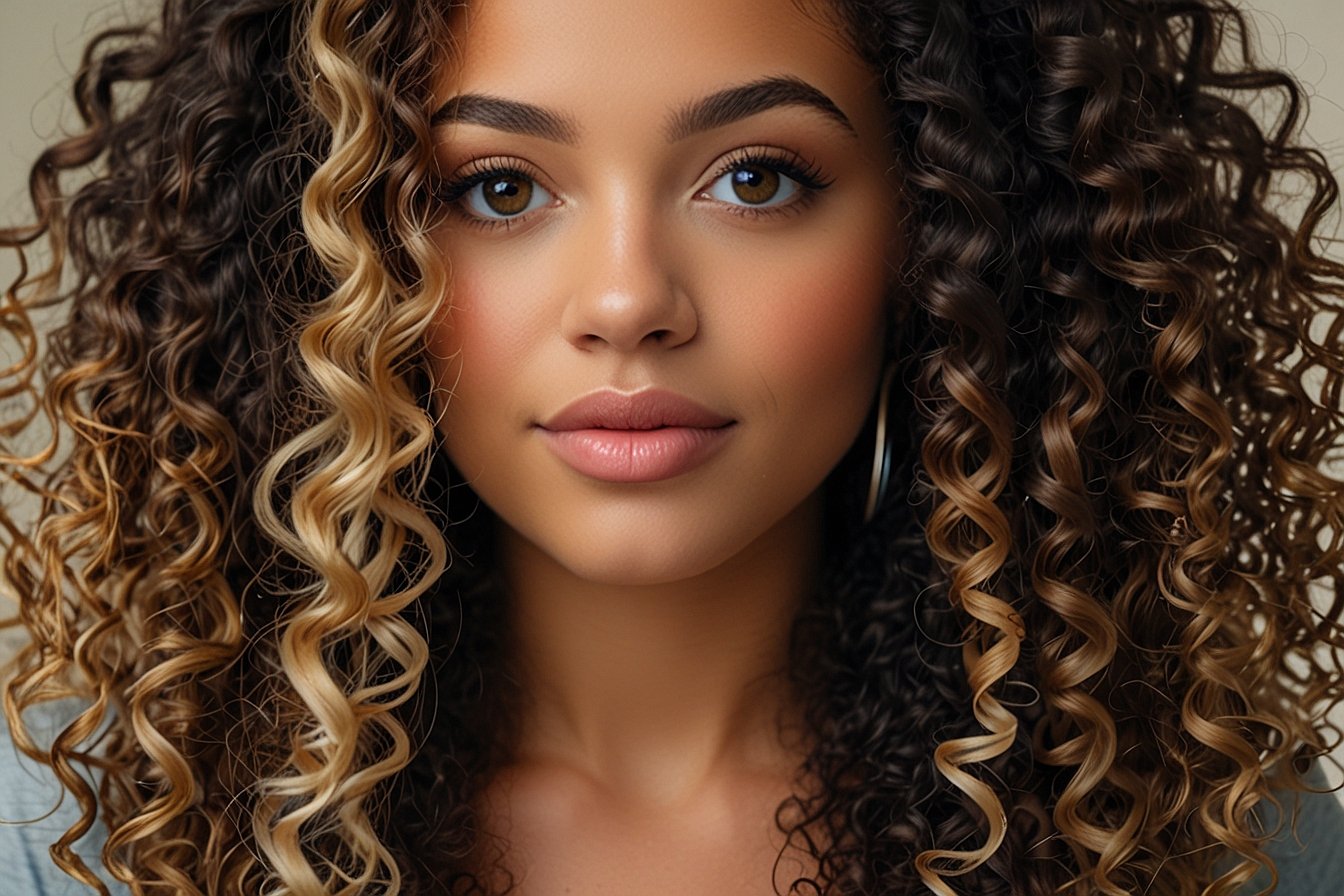
Ideal for curly and coily textures, this hair plopping method enhances your natural pattern without heat.
After washing, apply a generous leave-in conditioner followed by curl cream or gel. Scrunch sections upward from the ends to the roots to activate curls. Plop your hair into a microfiber towel or T-shirt for 20 to 30 minutes, then release and let it finish air drying.
Avoid touching until fully dry to prevent frizz. The result is bouncy, defined curls that look like they were diffused in a salon. For short hair, focus on smaller sections for tighter coils.
3. Heatless Soft Waves from Twists
Create beachy, romantic waves on straight to wavy hair without any tools.
Section damp hair into four to six parts. Twist each section loosely away from your face and secure with a soft clip or band. Let them air dry for several hours or overnight. Undo the twists and gently separate with your fingers for soft, touchable waves.
This technique works especially well for heatless waves for short hair when you use smaller twists. Finish with a shine serum to tame any flyaways.
4. Sleek Straight with Natural Shine
For those who love a polished, straight look, this method delivers smoothness and shine while air drying.
Apply a smoothing leave-in or anti-frizz cream evenly through damp hair. Use a wide-tooth comb to distribute, then part as desired. Let it air dry without touching. Once dry, apply a few drops of hair oil for gloss.
Products for air drying frizzy hair, such as silicones or argan oil blends, help seal the cuticle. This style pairs beautifully with blunt bobs or long layers.
5. Finger-Coiled Sculpted Short Styles
A favorite for short natural hair and pixies, this technique creates defined, glossy coils or waves.
On damp short hair, apply a strong-hold gel or curl cream. Take small sections and twist them around your finger from root to tip (finger coiling). Let them air dry fully before gently separating.
The result is a sculpted, intentional look that appears professionally styled. Add a light oil for shine. This low-tension approach keeps edges healthy.
6. Voluminous Textured Ponytail
Achieve lift and movement in a simple pulled-back style.
Apply volumizing mousse at the roots of damp hair. Flip your head upside down and gently tousle while it dries, or use root clips for extra height. Once mostly dry, gather into a low or mid ponytail and secure. Pull out face-framing pieces for softness.
This creates a full, salon-like ponytail with natural texture. It works well for fine hair that needs a boost.
7. Polished Low Bun or Chignon
For an elegant, put-together vibe, style your hair into a bun while damp.
Smooth a styling cream through damp hair to control frizz. Twist into a low bun at the nape and secure with pins. Let it air dry in this shape.
You can wear it as a sleek bun for the day or release it later for soft waves. This versatile style suits all lengths and gives a refined finish with minimal effort.
Mastering the Salon Blowout at Home: Volume and Professional Techniques
When you want more drama, switch to active dry hairstyles with a blow dryer.
Start by gently towel-drying to remove excess water. Apply a heat protectant and volumizing product at the roots. Section hair into manageable parts.
For a classic how-to blow-dry hair for volume 90s style, use a round brush. Lift at the roots while directing airflow downward. Roll sections away from the face for bounce, focusing extra volume at the crown.
For curly hair, attach a diffuser and cup curls gently on low heat, then switch to the cool shot button to set the style and lock in shine.
Always finish with the cool shot to seal the cuticle, reduce frizz, and add longevity. Take breaks to avoid arm fatigue. These techniques deliver bouncy blow dry hairstyles for curly hair or sleek volume for straight textures.
Common Mistakes and Pro Tips for Dry Hairstyles
Many struggle with flat roots or excessive frizz. Avoid rubbing hair vigorously with a regular towel. Instead, blot gently. Do not touch or brush while damp, as this disrupts the drying pattern and encourages frizz.
For better results, apply products to soaking wet hair for curls or slightly damp for straight styles. Layer lightweight products and build hold gradually.
Routine for styling damp hair without heat: Wash, condition, apply leave-in and styler, style, and walk away. Patience during the drying phase rewards you with better texture.
Building a Minimalist Routine That Lasts
Focus on three to four hero products tailored to your porosity and texture. Cleanse gently two to three times a week. Deep condition weekly to maintain health.
Experiment to find what makes your natural hair texture shine. Small adjustments, like adding a weekly hair mask, make a big difference over time.
Ready to Transform Your Hair Days
These dry hairstyles prove you can enjoy beautiful, healthy hair without constant heat or hours of styling. From heat-free styling that enhances your natural waves and curls to professional salon blowout at home techniques for special occasions, you now have versatile tools at your fingertips.
Start with one air-dry style this week. Notice how your hair feels healthier and your mornings become easier. Your strands will thank you, and you will love the confidence that comes with effortless, salon-worthy looks every day.
You May Also Like: 25 Dorm Room Decor Ideas for 2026