
Table of Contents
- The Resurgence of Vinyl Records
- Gen Z’s Influence on Vinyl Popularity
- Artists Leveraging Vinyl for Engagement
- Technological Advancements in Vinyl Production
- Economic Impact of Vinyl Sales
- Vinyl vs. Digital: A Comparative Analysis
- Future Outlook for Vinyl Records
In an era dominated by digital streaming, vinyl records have made a remarkable comeback, captivating both audiophiles and casual listeners alike. Whether you are a collector or a new enthusiast, this resurgence speaks to a universal longing for tangible music experiences. More than just a nostalgic nod to the past, vinyl’s revival is reshaping how listeners engage with music. For those who want to personalize their experience, some music fans even choose to make your own record to hold a memory in their hands and enjoy the ritual of vinyl playback.
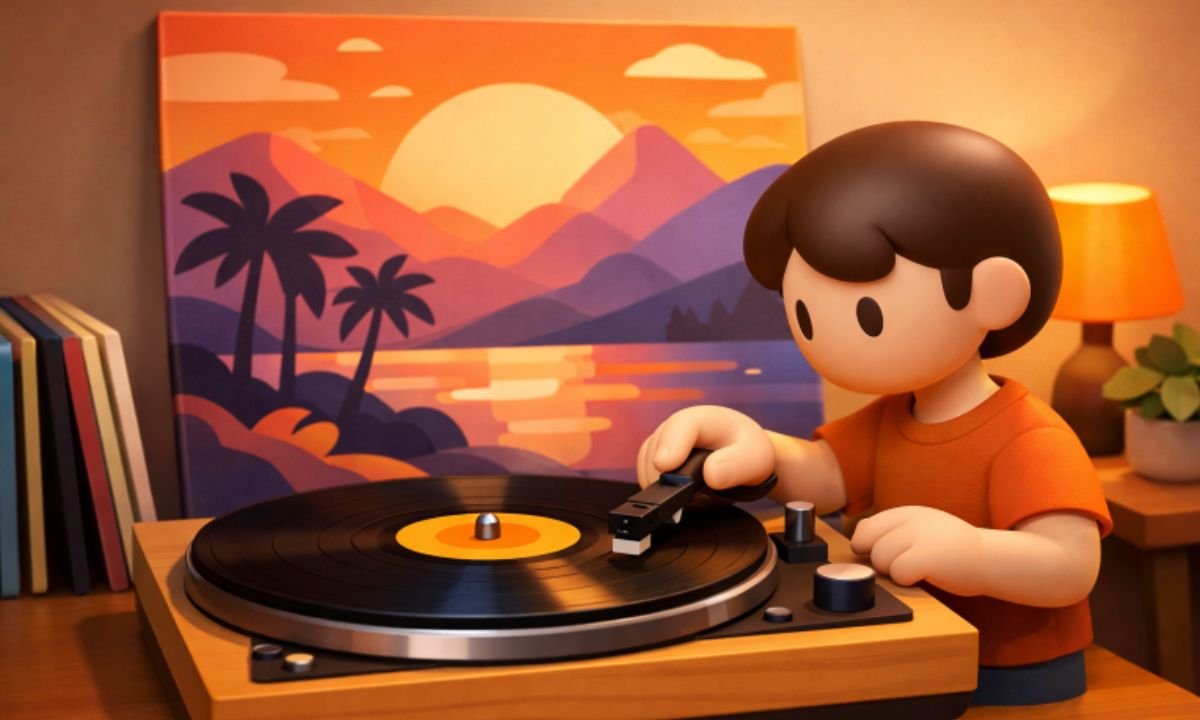
The enduring appeal of vinyl is rooted in its physicality and ritual, standing out amid today’s endless digital playlists. The oversized album art, liner notes, and the act of placing a needle on a spinning record create a multisensory participation that cannot be replaced by simply tapping on a screen. As more individuals of all ages find joy in this analog format, the cultural and economic impact of vinyl continues to grow.
The Resurgence of Vinyl Records
Vinyl records have experienced a significant revival in the last two decades. In 2025, vinyl sales in the United States surpassed $1 billion for the first time since 1983, marking the 19th consecutive year of growth for the format. This growth reflects a renewed consumer appetite for physically owning music and actively engaging with it, in contrast to the more passive nature of digital streaming.
There is power in tangibility that transcends nostalgia. Owning a physical object, carefully stored, displayed, and enjoyed, brings an investment to the listening experience. Vinyl’s analog sound also delivers a warmth and character that many listeners believe digital formats cannot replicate. For many fans, vinyl isn’t just about listening, but participating in the ritual of music appreciation.
Gen Z’s Influence on Vinyl Popularity
While baby boomers and Gen Xers may recall vinyl from their youth, today’s surge owes much to the enthusiasm of Gen Z. Younger listeners are seeking out physical media as a reaction to the intangible and sometimes overwhelming volume of digital choices. Many Gen Z collectors say having a record invites a deeper relationship with the music, with the act of flipping a record or viewing the cover art intensifying their connection to the artists.
Collecting vinyl is also becoming a social activity for younger audiences. Record stores are experiencing a revival as gathering spots, where fans trade discoveries and curate their own libraries. Vinyl brings back the concept of music as an artifact, turning listening into a deliberate and memorable act.
Artists Leveraging Vinyl for Engagement
Musicians and the music industry quickly recognized the new opportunities presented by vinyl’s revival. Superstars like Taylor Swift have embraced vinyl enthusiastically; her 2025 album “The Life of a Showgirl” alone sold 1.6 million copies on vinyl, driving over 3% of the year’s U.S. vinyl sales. Artists are producing limited-edition variants, colored pressings, and exclusive extras, which make records highly collectible and encourage fans to buy multiple versions.
This strategy not only increases revenue for artists but also strengthens connections with fans. Owning a record tied to a tour, a special release, or autographed by the artist elevates the emotional value of the physical product.
Technological Advancements in Vinyl Production
While nostalgia plays a role, vinyl’s comeback is also driven by cutting-edge technology. Advancements in production have led to cleaner, more durable records with superior sound quality. Turntable manufacturers have merged analog authenticity with digital innovations. Companies like Technics have incorporated digital controls to ensure greater accuracy in playback and reduce mechanical noise, making the listening experience more consistent.
Mastering engineers now use high-resolution files and modern pressing techniques to maximize fidelity, while still preserving the warmth and depth that define vinyl’s character.
Economic Impact of Vinyl Sales
Vinyl’s popularity translates into significant economic influence. In 2025, records brought in over $1 billion in U.S. sales, contributing to the music industry’s $11.5 billion total revenue that year. Independent record shops have benefited from increased foot traffic, while pressing plants and packaging companies are hiring to keep up with demand. Vinyl’s resurgence has re-energized local economies and small businesses across the country.
Vinyl vs. Digital: A Comparative Analysis
Digital streaming offers convenience, portability, and access to millions of tracks at the tap of a finger. In contrast, vinyl provides an immersive listening session that invites you to engage with an album from start to finish. The tactile feedback of handling a record, the anticipation before the music begins, and the commitment to listening make vinyl a ritual that digital struggles to replicate.
Many enthusiasts argue that vinyl’s analog sound carries nuance and depth missing from compressed digital files, which rewards close listening and a deliberate, distraction-free environment. This comparative richness is often cited as the heart of vinyl’s enduring appeal.
Future Outlook for Vinyl Records
The future for vinyl looks promising. With year-over-year growth and a new generation of devoted fans, vinyl is likely to remain a staple in music collections around the world. Technological advances will continue to refine production, ensuring records stay relevant without sacrificing the essential qualities that make them beloved.
As the music industry evolves, vinyl records have proven to be more than a trend. They represent a lasting desire for personal, high-quality encounters with art. From legendary albums to personalized discs that let you make your own record, vinyl is ensuring its place in the story of music’s past, present, and future.
 Deedar Hussain