
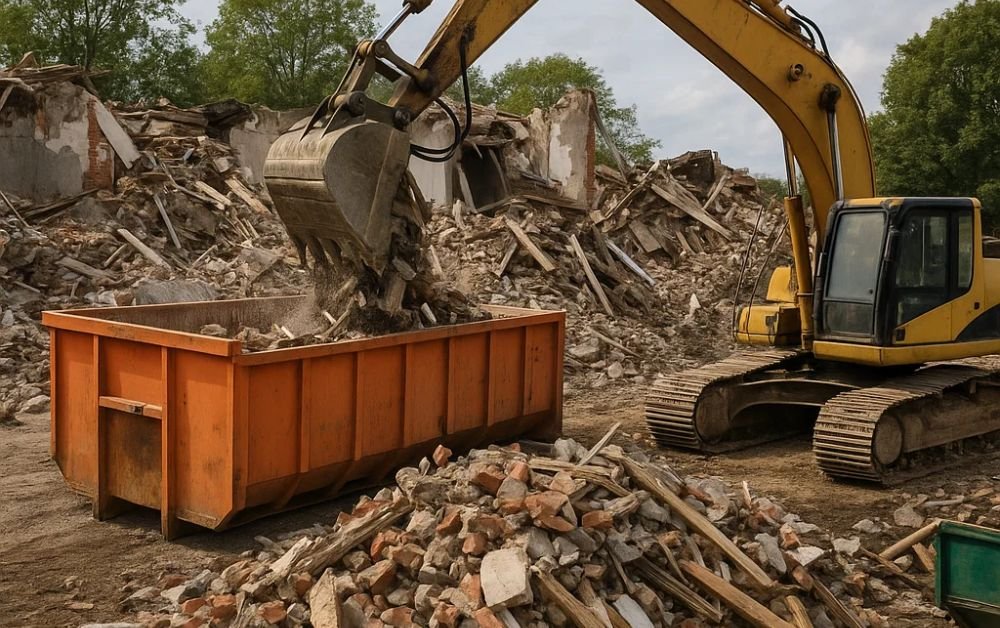
Expansion projects present a unique set of challenges compared to new construction. Contractors are often working around existing buildings, occupied spaces, active business operations, or ongoing site activities while simultaneously managing demolition, site preparation, and new construction. In these environments, waste management becomes a critical component of maintaining productivity and keeping the project on schedule.
Without a structured waste plan, debris can quickly interfere with equipment movement, material deliveries, and day-to-day operations. For contractors, effective construction waste planning helps maintain organization, improve safety, and support smoother project execution from groundbreaking through final completion.
Why Expansion Projects Require Specialized Waste Planning
Unlike ground-up construction on an empty site, expansion projects frequently involve removing existing structures, modifying utilities, relocating infrastructure, and integrating new construction into an active property.
This creates multiple waste streams that may include demolition debris, excavation materials, concrete, wood framing, roofing materials, packaging, and general construction waste. In many cases, contractors must manage these materials while minimizing disruption to employees, customers, tenants, or residents who continue using portions of the property.
Because the project site often has limited space available, waste planning becomes even more important than it would be on a traditional construction project.
Starting Waste Planning During Pre-Construction
Successful expansion projects typically include waste management discussions during the earliest planning stages. Contractors who wait until demolition begins often find themselves dealing with overcrowded staging areas and inefficient cleanup procedures.
During pre-construction planning, contractors should evaluate expected debris volumes, identify disposal locations, establish service schedules, and determine how waste removal will interact with site logistics. Planning early allows project managers to coordinate disposal needs alongside equipment access, delivery routes, and construction sequencing.
This proactive approach reduces surprises once construction activity begins.
Evaluating Debris Generation by Project Phase
Expansion projects generate different types of waste as work progresses. Early phases often focus on demolition, excavation, and site preparation, while later stages produce framing scraps, packaging materials, and finish-related debris.
Understanding how waste generation changes throughout the project allows contractors to allocate resources more effectively. Heavy demolition phases may require increased disposal capacity, while finishing stages often benefit from more frequent cleanup to maintain organized workspaces.
Matching disposal strategies to each construction phase helps prevent bottlenecks and keeps operations moving efficiently.
Establishing Centralized Waste Collection Areas
One of the most effective ways to manage debris on expansion projects is through centralized collection areas. Rather than allowing waste to accumulate throughout the site, contractors can designate specific locations where debris is collected and prepared for removal.
Many contractors work with Waste Removal USA to coordinate waste handling throughout large expansion projects. Centralized disposal systems help reduce clutter, improve site organization, and make it easier for crews to maintain cleaner work areas.
A centralized approach also simplifies communication between trades and improves overall site coordination.
Coordinating Waste Removal with Active Operations
Many expansion projects take place at facilities that remain operational during construction. Office buildings, retail centers, schools, healthcare facilities, and industrial properties often continue serving occupants while expansion work is underway.
In these situations, waste planning must account for:
- Customer or employee access routes
- Parking and traffic flow
- Delivery schedules
- Noise and visibility concerns
- Safety around occupied areas
Proper coordination helps minimize disruption while maintaining efficient debris removal throughout the project.
Positioning Containers Strategically
Container placement has a significant impact on productivity during expansion projects. Dumpsters should be positioned where crews can access them efficiently without interfering with ongoing operations or construction activities.
Contractors must balance several factors when selecting locations, including equipment movement, haul truck access, material staging, and future construction phases. In some cases, container locations may need to change as the project progresses and work zones shift.
Strategic placement reduces hauling distances and helps maintain smoother workflow across the site.
Managing Demolition and Structural Debris
Expansion projects frequently begin with demolition work to remove existing structures, walls, pavement, or utility systems. These activities often generate large volumes of heavy debris in a short period of time.
Contractors should ensure disposal capacity is available before demolition begins and monitor debris accumulation closely throughout the removal phase. Efficient handling of demolition waste helps create cleaner work areas and allows subsequent construction activities to start on schedule.
Prompt removal also improves site safety and reduces congestion around active work zones.
Coordinating Cleanup Between Multiple Trades
Expansion projects often involve a variety of subcontractors working simultaneously. Excavation crews, concrete contractors, framers, electricians, plumbers, and finish trades may all contribute to debris generation throughout the project.
Establishing clear cleanup procedures helps ensure waste does not accumulate between phases. Contractors should communicate expectations regarding disposal locations, daily cleanup responsibilities, and material handling procedures.
Consistent coordination improves accountability and helps maintain organized job site conditions.
Maintaining Safe Access Throughout the Project
Because expansion projects frequently take place around occupied buildings, maintaining safe access becomes a top priority. Debris should never interfere with pedestrian pathways, emergency exits, or service routes.
Regular cleanup helps keep access areas clear while reducing trip hazards and improving visibility around active construction zones. Organized debris management also supports safer equipment operation and reduces the risk of accidents involving workers or building occupants.
A clean site contributes directly to safer project conditions overall.
Scheduling Consistent Pickup Service
Construction waste accumulates continuously during expansion projects, making reliable pickup service essential. Waiting too long between pickups can lead to overflowing containers, reduced productivity, and unnecessary congestion.
Contractors should monitor fill levels regularly and adjust service schedules as project demands change. Demolition phases may require more frequent pickups, while later stages may benefit from routine cleanup-focused service.
Consistent waste removal helps maintain momentum and prevents disposal issues from affecting the project schedule.
Adapting to Changing Site Conditions
Expansion projects often evolve as construction progresses. Unexpected structural conditions, utility conflicts, design revisions, or scope changes can affect debris volume and disposal needs.
Contractors should remain flexible and be prepared to modify container placement, increase disposal capacity, or adjust service schedules when necessary. Adaptability helps maintain efficient waste management even when project conditions change unexpectedly.
This flexibility is often critical for keeping expansion projects on track.
Improving Productivity Through Better Waste Coordination
When debris is managed efficiently, crews spend less time navigating cluttered work areas or relocating materials. This allows workers to focus on productive construction tasks rather than ongoing cleanup problems.
Well-organized waste handling also improves communication between trades and supports smoother transitions between project phases. Contractors often find that investing time in waste planning pays dividends through improved productivity and reduced delays.
Better coordination contributes directly to overall project performance.
Maintaining a Professional Job Site
Expansion projects are often highly visible to property owners, tenants, customers, and stakeholders. Clean, organized construction sites create a more professional impression and demonstrate effective project management.
Consistent debris removal helps maintain order throughout the project and reinforces confidence in the contractor’s ability to manage complex construction activities. Organized sites also simplify inspections, walkthroughs, and progress reviews.
Professional site presentation remains important from the first day of demolition to final project turnover.
Construction waste planning is a vital component of successful expansion projects. By evaluating debris generation early, coordinating disposal with active operations, and maintaining organized cleanup procedures throughout construction, contractors can keep projects efficient, safe, and on schedule.
Effective waste management supports productivity, improves site organization, and helps reduce disruptions in occupied environments. For contractors managing expansion work, a strong waste planning strategy is an important tool for delivering successful project outcomes.