
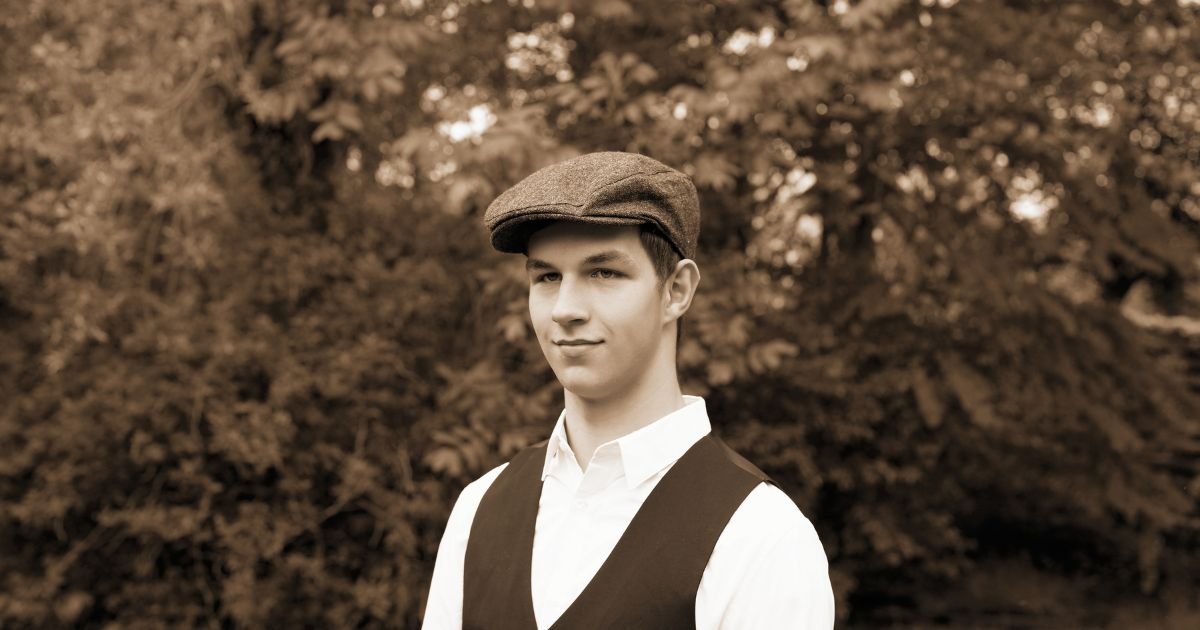
Have you ever slipped on a modern suit and felt it lacked that sharp, confident edge? You are not alone. Many men today crave a look that turns heads and commands respect, yet generic off-the-rack options leave them feeling ordinary. Enter 1920 suit fashion: the bold, tailored elegance of the Roaring Twenties that still feels fresh and empowering a century later. This ultimate guide breaks down everything you need to master the era’s iconic style, from three-piece suits and pinstripes to Gatsby-inspired details you can wear right now. Whether you are dressing for a wedding, themed party, or simply elevating your everyday wardrobe, you will discover how to capture that dapper vintage spirit without looking like a costume. Get ready to feel unstoppable.
The Roaring 20s: A Decade That Changed Menswear Forever
The 1920s marked a true turning point in men’s clothing. After the stiff, restrictive Edwardian era and the hardships of World War I, gentlemen embraced a more relaxed yet still polished silhouette. Factories churned out ready-to-wear suits, making quality tailoring accessible to the growing middle class. Jazz music, Prohibition, and the stock market boom fueled a desire for self-expression through clothing.
1920 suit fashion reflected this energy. Suits moved away from padded shoulders and rigid structures toward a natural, fitted shape that highlighted the wearer’s form. English tailors influenced the trend heavily, but American innovation added flair. The decade’s economic prosperity meant men could afford finer fabrics and thoughtful details. Think of the Great Gatsby or classic gangster films: every outfit told a story of confidence and success.
Today, that same spirit resonates because it feels timeless. In a world of fast fashion and stretchy athleisure, 1920 suit fashion offers structure, quality, and personality. It reminds us that dressing well is an act of self-respect.
Core Elements of Authentic 1920 Suit Fashion
Understanding the building blocks makes recreating the look simple and satisfying. Let us break it down so you can spot quality pieces and avoid cheap imitations.
The Three-Piece Suit: The Heart of the Era
No discussion of 1920 suit fashion is complete without the three-piece suit. Jacket, trousers, and matching waistcoat created a streamlined, powerful silhouette. Jackets typically featured a single- or double-breasted cut with wider lapels and a higher button stance. They sat closer to the body than earlier decades, skimming the hips for a clean finish.
Trousers sat high on the natural waist, often pleated and cuffed at the hem. The wider leg through the thigh tapered slightly, giving a balanced, elongated look. The waistcoat added formality and allowed for subtle pattern play. Imagine slipping on a charcoal three-piece suit with a crisp white shirt: instant sophistication that works for boardrooms or black-tie events.
Fabrics, Patterns, and Colors That Defined the Decade
Wool dominated for its durability and drape. Tweed and herringbone offered texture for country or daytime wear, while worsted wool delivered a smoother finish for city life. Summer brought lighter options like linen or seersucker for breathability.
Patterns made 1920 suit fashion pop. Pinstripe suits became synonymous with power and style, especially in navy or gray. Chalkstripes, windowpane checks, and subtle plaids added interest without overwhelming. Solid colors in navy, charcoal gray, brown, and tan provided versatile foundations. These choices let men express personality while staying appropriate for the occasion.
Silhouette and Fit Details You Need to Know
The 1920s favored a straighter, less structured “sack” influence blended with tailored precision. Shoulders sat naturally, sleeves showed a slight break at the wrist, and trousers broke cleanly over the shoe. High-rise waists created the illusion of longer legs. Pay attention to these proportions when shopping: modern slim-fit suits often sit too low and feel restrictive compared to the original comfort and elegance.
Must-Have Accessories to Complete Your Roaring 20s Look
Accessories transformed a good suit into an unforgettable ensemble. They are the secret to making 1920s suit fashion feel authentic rather than copied.
Start with headwear. The fedora reigned supreme: soft felt with a pinched crown and brim turned down in front. Boater hats added a playful touch for daytime or summer events. A quality fedora instantly signals attention to detail.
Footwear mattered just as much. Two-tone spectator shoes or classic Oxfords in brown or black polish any outfit. Brogues with decorative perforations brought texture. Pair them with patterned socks that peek just above the cuff.
Neckties or bow ties added color and personality. Silk ties in wide knots or crisp bow ties paired beautifully with the era’s wider collars. Do not forget the pocket square (never matching the tie exactly), collar bars, and suspenders instead of belts for true historical accuracy. A simple gold watch chain peeking from the waistcoat pocket adds that final Gatsby touch.
Iconic 1920s Suit Styles: From Gatsby Glamour to Everyday Dapper
The Great Gatsby film rekindled global love for this era. Jay Gatsby’s light-colored or crisp white three-piece suit paired with a pink shirt remains a go-to for formal summer weddings. Gangster-inspired looks leaned into bold pinstripe suits with double-breasted jackets, perfect for themed parties or confident business presentations.
Jazz Age flair embraced slightly looser fits with vibrant accessories for musicians and creatives. Even women adopted tailored suits with long jackets and straight skirts for professional settings, proving the style’s versatility across genders.
These variations show 1920 suit fashion adapts beautifully. You do not need a full historical reenactment: mix elements to suit your lifestyle.
How to Master 1920 Suit Fashion Today: A Practical Step-by-Step Guide
Ready to bring this look into your closet? Follow these steps and build confidence one piece at a time.
- Audit your current wardrobe. Pull out any suits or blazers. Check rise height and lapel width. Keep pieces that fit the high-waist, natural-shoulder profile.
- Invest in key foundations. Begin with one quality three-piece suit in neutral gray or navy. Prioritize natural fabrics and proper tailoring over trendy slim cuts.
- Add versatile separates. High-rise trousers and a matching waistcoat let you mix and match. A tweed jacket works with modern chinos for smart-casual days.
- Layer in accessories thoughtfully. Choose one statement piece, like a fedora or two-tone shoes, then build from there. Test combinations in front of a mirror.
- Tailor for perfection. Even off-the-rack finds benefit from adjustments. A skilled tailor can raise the waist, widen lapels slightly, or adjust cuffs to capture authentic proportions.
Real-world example: A friend wore a pinstripe three-piece suit to his brother’s wedding last summer. The high-waisted trousers elongated his frame, the vest added polish, and guests raved about his standout yet approachable style. You can achieve the same effortless elegance.
Styling Tips for Different Occasions and Body Types
1920 suit fashion flatters almost everyone when proportions are right. Taller men shine in wider-leg trousers and peak lapels. Shorter gentlemen benefit from the high rise that creates leg length. Curvier builds look sharp in single-breasted jackets that nip at the waist.
For formal events, go full three-piece with a bow tie and pocket square. Business meetings call for a solid suit with subtle stripes and a necktie. Casual Fridays? Ditch the jacket, roll shirt sleeves, and pair high-rise trousers with suspenders and leather Oxfords.
Seasonal twists keep the look fresh. Light linen for summer weddings, heavier tweed for fall gatherings. Always break the suit rules slightly, such as pairing a patterned vest with solid trousers, to show personality.
Common Pitfalls to Avoid When Embracing This Style
Many enthusiasts go overboard and end up looking theatrical. Stick to one or two era-specific elements rather than every detail at once. Avoid modern skinny ties or ultra-low-rise pants that fight the silhouette.
Poor fit ruins everything. Baggy shoulders or short trousers kill the polished vibe. Budget for tailoring. Another mistake: ignoring fabric quality. Cheap polyester shines under lights and feels uncomfortable all day.
Finally, do not treat it as costume. Wear 1920 suit fashion with modern confidence. A subtle nod to the era feels far more powerful than full period accuracy.
Where to Shop for Quality 1920 Suit Fashion Pieces
Vintage markets and Etsy offer authentic finds, though sizing and condition vary. Reproduction specialists like those featured on Gentleman’s Gazette create period-accurate suits using traditional methods. Modern brands such as Brooks Brothers or custom services like Hockerty let you specify high-rise trousers and wider lapels.
Thrift stores and online vintage shops often hide gems. Look for labels from the 1920s or early 1930s. For accessories, search for “vintage fedora” or “spectator shoes” to complete the look affordably.
Why 1920s Suit Fashion Still Matters in 2026
This style delivers more than nostalgia. It teaches the value of thoughtful dressing and quality over quantity. A well-chosen three-piece suit lasts decades, reducing decision fatigue and environmental impact. You gain confidence that comes from knowing you look your best.
Start small. Add one high-rise pair of trousers or a classic fedora this month. Experiment and refine. The Roaring 20s spirit lives in the details and the joy of self-expression.
1920s suit fashion proves great style never goes out of date. It empowers you to stand tall, command attention, and feel truly yourself. Embrace the dapper legacy and watch how the world responds.
You may also like: Diamond in Tooth: The Ultimate Guide to Tooth Gems & Costs