
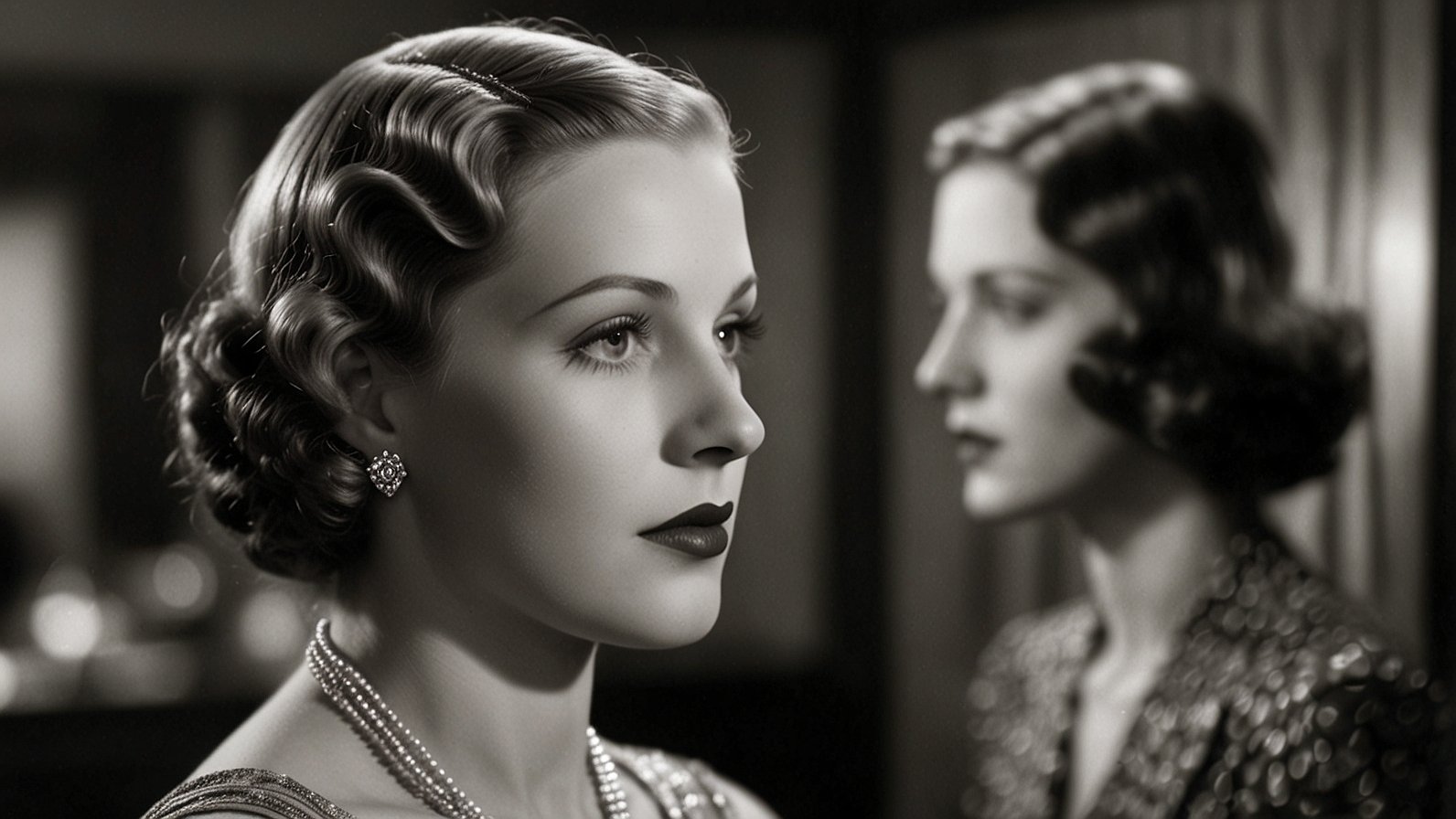
Remember the feeling of watching an old Hollywood film, utterly captivated by the leading lady’s impossibly sleek waves and radiant poise? In an era defined by economic hardship, 1930s hair fashion became a powerful form of escapism, a symbol of elegance, femininity, and resilient hope. This wasn’t just about looking pretty; it was about crafting an aura of sophisticated glamour. If you’ve ever wondered how to capture that timeless allure for a themed event, wedding, or simply to add a touch of vintage drama to your look, you’re in the right place. This guide will unravel the history, the iconic styles, and most importantly, the practical techniques to bring the Golden Age of Hollywood from your screen to your mirror.
The Dawn of a New Elegance: Why 1930s Styles Shifted
The roaring 20s had their rebellious, boyish charm with severe flapper bobs and cloche hats. But as the Great Depression settled in, society’s ideal of beauty underwent a profound transformation. The angular, androgynous silhouette gave way to a celebration of soft, feminine curves—both in fashion and in hair.
From Rebellion to Refinement
The economic reality demanded a shift. Extravagant spending was out; meticulous care and craftsmanship were in. Hair became a canvas for artistry and patience, rather than a symbol of radical cut. The new ideal, championed by screen sirens, was one of luxurious, cascading waves that framed the face with grace and softened features. This was the birth of the silver screen style designed to photograph beautifully in the new talking pictures, creating halos of light and shadow that added depth and drama to every close-up.
The Signature Styles: Defining the Decade’s Silhouettes
The 1930s offered a versatile range of looks, from chic short cuts to romantic long waves. Each style shared a common foundation: meticulous setting and a focus on the wave pattern.
The Soft Bob: The Everyday Elegance
The blunt bob of the 20s grew out literally. It became longer, softer, and more versatile. The soft bob typically rested at the chin or just below, with waves gently kissing the cheeks and nape of the neck. It was the go-to style for the modern, active woman, think Katharine Hepburn’s early career, and was often styled with a deep side part.
The Hollywood Wave: The Epitome of Glamour
This is the quintessential 1930s look. Long, languid, S-shaped waves that cascaded over one shoulder or were swept into sophisticated up-dos. Perfected by stars like Jean Harlow and Veronica Lake (whose “peek-a-boo” style defined the late 30s and early 40s), these waves were the height of vintage glamour. They required length, patience, and expert setting.
The Finger Wave: Architectural Beauty
While popular in the late 20s, the finger wave reached its peak of technical perfection in the 1930s. This style involved sculpting wet hair into precise, continuous ridges and valleys close to the scalp, creating a sleek, geometric pattern. It was an art form, often seen on starlets and in sophisticated salon advertisements.
The Tools & Techniques: Secrets of the Salon
Achieving these looks was no simple task. It required skill, time, and a few key tools that are still used by vintage hairstylists today.
The Wet Set: The Foundation of Every Style
Before hot tools were commonplace, wet set styling was the only way. Hair was washed, set while damp into the desired hair setting patterns using pins, clips, or fingers, and then left to dry completely—often overnight. The resulting set would last for days with careful maintenance.
- Pin Curls: The most common method. Hair was wound into flat, spiral curls against the scalp and secured with bobby pins or hairpins. The direction and placement of these curls (clockwise vs. counter-clockwise) determined the final wave pattern.
- The Marcel Wave: Created with a specialized hot curling iron (the Marcel iron) that produced a consistent, deep wave. It was a professional technique that required significant expertise to avoid burns, but it was faster than a wet set. The marcel wave is characterized by its uniform, alternating crests and troughs.
Mastering the Finger Wave Technique
This is the hallmark skill of the era. It’s done on wet, heavily gelled hair (a setting lotion like Lottabody is period-correct and still works wonders).
- Section: Work on a small, horizontal section at the front.
- Comb & Create: With a fine-tooth comb, create the first “ridge.” Use the comb to push the hair into a C-shape, then hold the crest of the wave between your fingers.
- Pin & Hold: Secure the base of the wave formation with double-prong clips or finger wave clips while the hair dries.
- Repeat: Move along the head, creating alternating ridges and valleys.
The Starlet’s Palette: Color and Accessories
Hair color played a starring role in crafting a star’s image.
- Platinum Blonde: Jean Harlow famously revolutionized beauty standards with her dazzling, almost white platinum blonde hair. Achieving this look in the 30s was a harsh, damaging process involving peroxide, ammonia, and bleach a testament to the extreme lengths taken for glamour. Today, we have far safer options!
- Rich Brunettes & Fiery Reds: While platinum was shocking, deep, glossy brunettes (Norma Shearer) and vibrant coppery reds (Lucille Ball, later in the decade) were equally iconic, representing sophistication and vivacity, respectively.
Accessories were minimal but strategic:
- Snoods: Practical and pretty, these netted bags held long hair back during wartime factory work later in the decade, but started as a chic daytime look.
- Decorative Combs & Pins: Art Deco-inspired jeweled clips or simple tortoiseshell combs were used to secure rolls and waves, adding a touch of sparkle.
- Hats: No woman left the house without one. Hairstyles were designed to accommodate the close-fitting cloches of the early 30s and the wider, more dramatic picture hats of the later years.
How to Achieve 1930s Hair Today: A Modern Guide
You don’t need a studio hairstylist on retainer. With the right approach, you can recreate this magic at home.
For Short to Medium Hair (The Soft Bob & Finger Waves)
- Start Clean: Wash and condition your hair. For maximum hold, use a setting lotion diluted with water.
- Set the Pattern: On damp hair, create your pin curls or finger waves. For a soft bob, set large pin curls rolling away from the face. For defined waves, use the finger waving technique.
- Dry Thoroughly: Use a hooded dryer or let it air-dry completely. This is non-negotiable for longevity.
- Break the Set: Gently remove all pins and clips. Do not brush! Use a wide-tooth comb or your fingers to carefully separate the curls and waves into your desired shape.
- Finish: A tiny amount of pomade or smoothing cream on your fingertips can tame flyaways and enhance shine. For historical authenticity, consider the collections at reputable costume archives like the Library of Congress for visual references.
For Long Hair (The Hollywood Waves)
- The Set is Key: Part hair deeply to one side. Set large, vertical pin curls all over the head, directing them to flow toward one shoulder.
- Dry & Release: Once fully dry, release the curls. You’ll have a head of tight, springy curls.
- Brush & Shape: This is the transformative step. Using a soft-bristle brush (a paddle brush works well), gently brush through the curls until they soften and merge into wide, flowing waves. Use your hands to shape the final S-curve over your shoulder.
- Secure: Use hidden bobby pins or a decorative clip to hold the wave in place at your shoulder if needed.
Modern Shortcuts
- Heat Styling: Use a 1.25-inch curling iron. Take large sections, wrap the hair around the barrel, hold for 10 seconds, and release without shaking out. Brush gently to combine.
- Product Magic: Strong-hold mousse for volume, wave sprays for texture, and flexible-hold hairspray to lock it all in place.
Conclusion: The Timeless Allure of a Wave
1930s hair fashion was more than a trend; it was an exercise in artistry and an expression of graceful resilience. From the sculptural perfection of finger waves to the dreamy cascade of Hollywood waves, these styles continue to captivate us because they speak of care, craft, and unapologetic femininity. The techniques wet set styling, pin curls, and understanding hair setting patterns are timeless skills that empower you to create lasting beauty. So, whether you’re preparing for a Gatsby garden party, a vintage wedding, or simply want to channel your inner silver screen goddess, don’t be intimidated. Start with a single pin curl, embrace the process, and let the glamour of the 1930s transform your look and your attitude.
You may also like: Sleeping Beauty Turquoise: A Collector’s Guide