
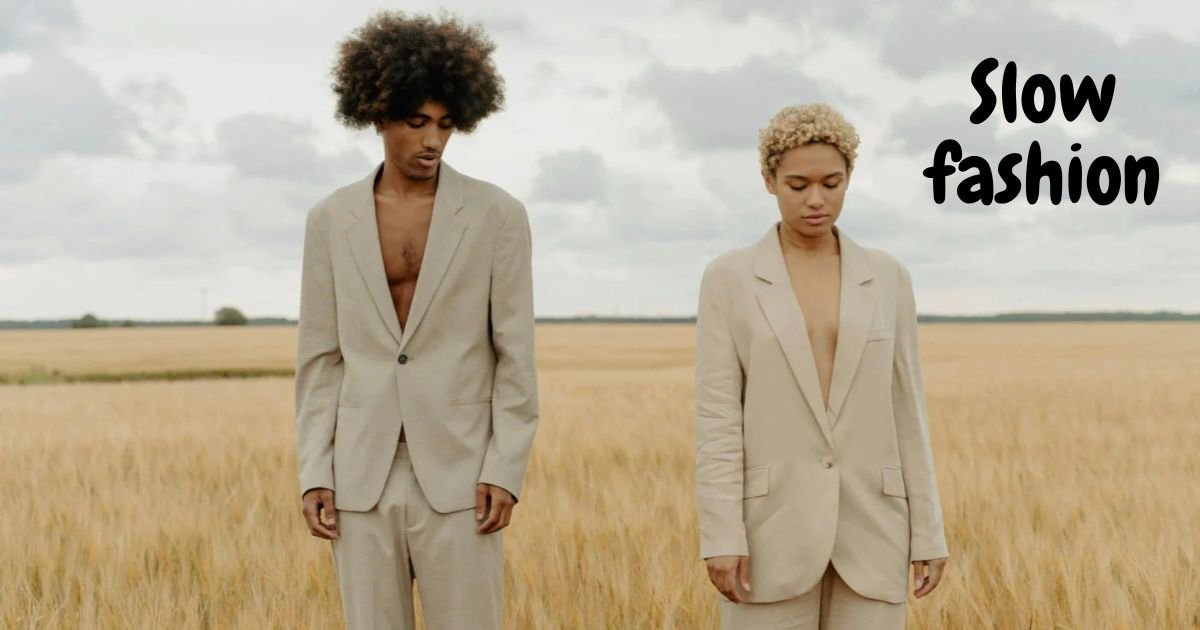
You open your closet on a random Tuesday and realize half the clothes inside barely lasted a season. Sound familiar? The fashion industry still churns out more than 100 billion garments every year, and a shocking amount ends up in landfills or incinerators within months. Yet right now, in 2026, a growing number of shoppers are quietly shifting gears. They want pieces that last, made by people paid fairly and with materials that do not wreck the planet. That shift is called slow fashion, and it is not just a trend. It is a smarter, kinder way to dress.
Slow fashion puts quality first: thoughtful design, durable construction, ethical labor, and eco-friendly fabrics like organic cotton, recycled polyester, or regenerative fibers. Instead of chasing micro-trends, these brands focus on timeless styles you will actually wear for years. In this guide, I have pulled together 15 standout labels that check every box. Whether you are just dipping your toe into conscious shopping or ready to overhaul your entire wardrobe, these brands make it easy to start building that sustainable closet you have been thinking about.
Why Slow Fashion Matters More Than Ever in 2026
Let us pause for a second. Fast fashion has trained us to expect new drops every week at rock-bottom prices. The hidden cost? Overworked garment workers, rivers polluted with dye, and mountains of waste. Slow fashion flips the script. Brands in this space trace every step of production, often sharing factory details and material sourcing right on their sites. Many hold certifications such as Fair Trade, GOTS for organic textiles, or Bluesign for lower-impact chemistry.
You might be surprised how much better these clothes feel, too. Fabrics breathe, seams hold up, and colors stay true wash after wash. Honestly, once you experience it, the old cheap stuff starts to feel almost disposable by comparison. And no, you do not need a huge budget to get started. Some of the labels below sit comfortably in the affordable range while still delivering on ethics and quality.
The 15 Best Slow Fashion Brands for Your Conscious Closet
Patagonia If there is one name that comes up whenever people talk about sustainable clothing, it is Patagonia. Founded decades ago with a simple mission to make gear that lasts and to protect the places where people actually use it, the brand still walks the talk. They use recycled materials in everything from fleece jackets to base layers, source organic cotton, and run a robust Worn Wear repair and resale program. Ethical labor? They have been Fair Trade certified for years and publish supplier lists openly. A Patagonia fleece or organic tee might cost a bit more upfront, but you will wear it for a decade. In my experience, their outdoor-inspired staples become the backbone of any conscious closet.
Eileen Fisher Eileen Fisher built her namesake brand on simple, elegant silhouettes that refuse to chase trends. What sets them apart in 2026 is their deep commitment to circular fashion through the Eileen Fisher Renew program. You can return worn garments for store credit, and many pieces come back to life as new designs. They favor organic and regenerative fibers, and their supply chain emphasizes fair wages and safe conditions. If you love effortless layering pieces like cashmere sweaters or wide-leg trousers that feel just as good five years later, this label delivers. It is the kind of wardrobe investment that actually reduces waste.
Stella McCartney Luxury and slow fashion do not always go hand in hand, but Stella McCartney makes it look effortless. The brand has never used leather or fur, relying instead on innovative plant-based and recycled materials. In 2026 their collections still push boundaries with lower-impact dyes and traceable supply chains. Yes, prices sit in the higher range, yet each piece is designed to become a heirloom. If you are ready to invest in one standout coat or handbag that will outlive fast-fashion alternatives by years, Stella offers that quiet confidence.
Reformation Reformation strikes a nice balance between style and sustainability. They work with deadstock fabrics, recycled materials, and low-water processes while keeping their aesthetic fresh and feminine. The brand publishes carbon and water footprints for many styles, and they produce in limited runs to avoid overproduction. Ethical factories and transparent reporting round out the picture. Shoppers who want something current without the guilt often start here. A Reformation dress or denim jacket feels modern yet built to last multiple seasons.
Everlane Transparency is Everlane’s calling card. From the very beginning, they have shown exactly what each item costs to make and why you pay what you do. In 2026 they continue to source organic cotton, recycled cashmere, and other eco-friendly fabrics while auditing factories for fair labor standards. Their basics, from crewneck sweaters to denim, have become wardrobe staples for many conscious shoppers. If you appreciate knowing the full story behind your clothes, Everlane makes the process feel refreshingly straightforward.
Christy Dawn Christy Dawn takes regenerative farming seriously. The brand grows much of its own cotton on a family farm in California using practices that actually improve soil health. Many dresses use deadstock fabric too, keeping waste out of landfills. Everything is sewn in Los Angeles under fair conditions. The result? Flowy, romantic pieces that look like they stepped out of a vintage shop but carry a genuinely positive environmental footprint. If you love feminine silhouettes with a story, Christy Dawn is worth the wait for their seasonal drops.
Veja Sneakers rarely get the slow-fashion treatment, but Veja changed the game. They source organic cotton and wild rubber from the Amazon, pay fair wages to farmers, and keep production transparent. Their classic V-10 or Campo styles have become staples for people who want everyday shoes that align with their values. In 2026 the brand keeps expanding recycled-material options without sacrificing that signature minimalist look. Comfortable, durable, and ethically made. What is not to like?
Outerknown Surfer Kelly Slater founded Outerknown to bring the same respect for the ocean into clothing. The line uses recycled fishing nets, organic cotton, and hemp blends while maintaining fair labor standards across its supply chain. Blanket shirts, chore coats, and board shorts feel rugged enough for real life yet refined enough for the city. If your wardrobe needs pieces that handle adventure without compromising ethics, Outerknown delivers.
Cuyana Cuyana’s “fewer, better things” philosophy sums up slow fashion perfectly. The brand focuses on timeless leather goods and apparel made with traceable materials and ethical craftsmanship. Many items come from small-batch producers in South America, and the quality shows in every stitch. A Cuyana leather tote or cashmere sweater becomes the kind of piece you reach for daily and pass down later.
Kotn Kotn sources Egyptian organic cotton directly from farms that pay living wages. Their basics, from tees to button-downs, feel incredibly soft and hold their shape beautifully. The brand keeps things simple and transparent, which makes building a capsule wardrobe surprisingly easy. If you are looking for everyday essentials that feel premium without the premium markup, Kotn is a quiet hero.
Pact Affordability and ethics can coexist, and Pact proves it. They use organic cotton for everything from underwear to loungewear, and they work only with factories that meet strict social and environmental standards. Prices stay accessible, so you can refresh your entire basics drawer without breaking the bank. Perfect entry point for anyone new to slow fashion.
Girlfriend Collective Activewear gets a sustainable upgrade at Girlfriend Collective. They turn plastic bottles into soft, compressive fabrics and pair them with fair-labor manufacturing. Their leggings and bras have earned cult followings because they actually last through hundreds of workouts. If your conscious closet needs performance pieces, this brand checks every box.
Toad&Co Toad&Co blends adventure-ready style with serious sustainability credentials. Recycled polyester, organic cotton, and Bluesign-approved fabrics show up across their casual lineup. The brand also supports fair trade and environmental nonprofits. Their relaxed button-downs and travel-friendly pants feel like old favorites from day one.
People Tree As one of the original fair-trade fashion pioneers, People Tree has been doing slow fashion longer than most. They partner with artisan cooperatives around the world, using organic cotton and traditional techniques. The result is unique prints and well-made everyday wear that supports entire communities. If you value cultural craftsmanship alongside ethics, this label stands out.
NAADAM Cashmere often carries a heavy environmental toll, but NAADAM changed the narrative. They work directly with Mongolian herders using ethical sourcing and regenerative grazing practices. Their sweaters feel luxuriously soft and come with traceability you can actually verify. A single NAADAM piece can replace several lower-quality knits over time.
Comparing the Top Slow Fashion Brands
| Brand | Signature Materials | Ethical Highlights | Price Range | Standout Feature |
|---|---|---|---|---|
| Patagonia | Recycled polyester, organic cotton | Fair Trade, Worn Wear program | $$ –$$$ | Lifetime repair guarantee |
| Eileen Fisher | Regenerative fibers, organic | Circular Renew program | $$$ | Garment take-back and resale |
| Stella McCartney | Vegan, recycled luxury materials | Traceable supply chain | $$$$ | No leather or fur ever |
| Reformation | Deadstock, recycled fabrics | Carbon reporting | $$–$$$ | Limited runs reduce waste |
| Everlane | Organic cotton, recycled cashmere | Radical transparency | $$ | Factory cost breakdown |
| Christy Dawn | Regenerative cotton, deadstock | Farm-to-closet model | $$–$$$ | Soil-health focused farming |
| Veja | Organic cotton, wild rubber | Direct farmer partnerships | $$ | Transparent sneaker production |
This table gives you a quick snapshot, but every brand on the full list earns high marks for both ethics and fabric choices. Your choice will depend on whether you need basics, activewear, luxury staples, or something in between.
How to Start Building Your Conscious Closet
Begin small. Pick one category, maybe basics or outerwear, and invest in a single piece from one of these brands. Over time you will notice your wardrobe shrinking while your options feel more versatile. Shop sales strategically, look for secondhand versions on platforms that verify authenticity, and repair items instead of replacing them. You might not know this, but many of these labels offer free or low-cost repair services. The goal is not perfection. It is progress toward a closet that reflects your values.
Frequently Asked Questions
What exactly is slow fashion?
Slow fashion is an approach that values quality, craftsmanship, fair labor, and lower environmental impact over speed and low cost. Brands produce fewer collections using eco-friendly fabrics and ethical practices so garments last longer.
How does slow fashion differ from fast fashion?
Fast fashion relies on rapid trend cycles, cheap production, and often poor working conditions. Slow fashion emphasizes durability, transparency, and sustainability, resulting in higher-quality pieces that reduce overall consumption and waste.
Is slow fashion more expensive?
It can feel that way at first, but the cost per wear usually drops dramatically. A well-made slow fashion item often outlasts several fast-fashion equivalents, saving money and time in the long run.
How can I tell if a brand is truly ethical?
Look for third-party certifications such as Fair Trade, GOTS, or SA8000. Transparent supply-chain reporting and take-back programs are also strong signals. Many of the brands listed here publish detailed impact reports on their websites.
Can I build a full wardrobe with slow fashion brands?
Absolutely. Start with basics and outerwear, then layer in specialty pieces. Over a year or two, you will have a versatile, high-quality closet that needs far less frequent refreshing.
Are these brands available worldwide?
Most ship internationally, though shipping costs and duties vary. Many also partner with local retailers or offer secondhand options to make sustainable fashion more accessible.
What if I cannot afford premium prices right now?
Pact, Kotn, and Girlfriend Collective offer excellent entry points at more accessible price points while still meeting high ethical standards. Secondhand marketplaces are another smart route.
Final Thoughts
Switching to slow fashion is one of those small decisions that quietly improves everything it touches: your wardrobe, your budget over time, and the lives of the people who make your clothes. In 2026, the movement feels more mature and more hopeful than ever. Some experts still push back, saying change is too slow, but here is my take: every conscious purchase sends a clear message to the industry. You are voting for a better system with your wallet.
So go ahead. Pick one brand from this list that speaks to you. Order that organic cotton tee or regenerative cotton dress. Wear it until the fabric softens and the memories pile up. Then tell a friend. The journey toward a conscious closet does not require perfection. It only requires a first step, and these 15 brands make that step feel genuinely good.
What will you add to your sustainable closet first? I would love to hear.
You may also like: Diamond in Tooth: The Ultimate Guide to Tooth Gems & Costs