
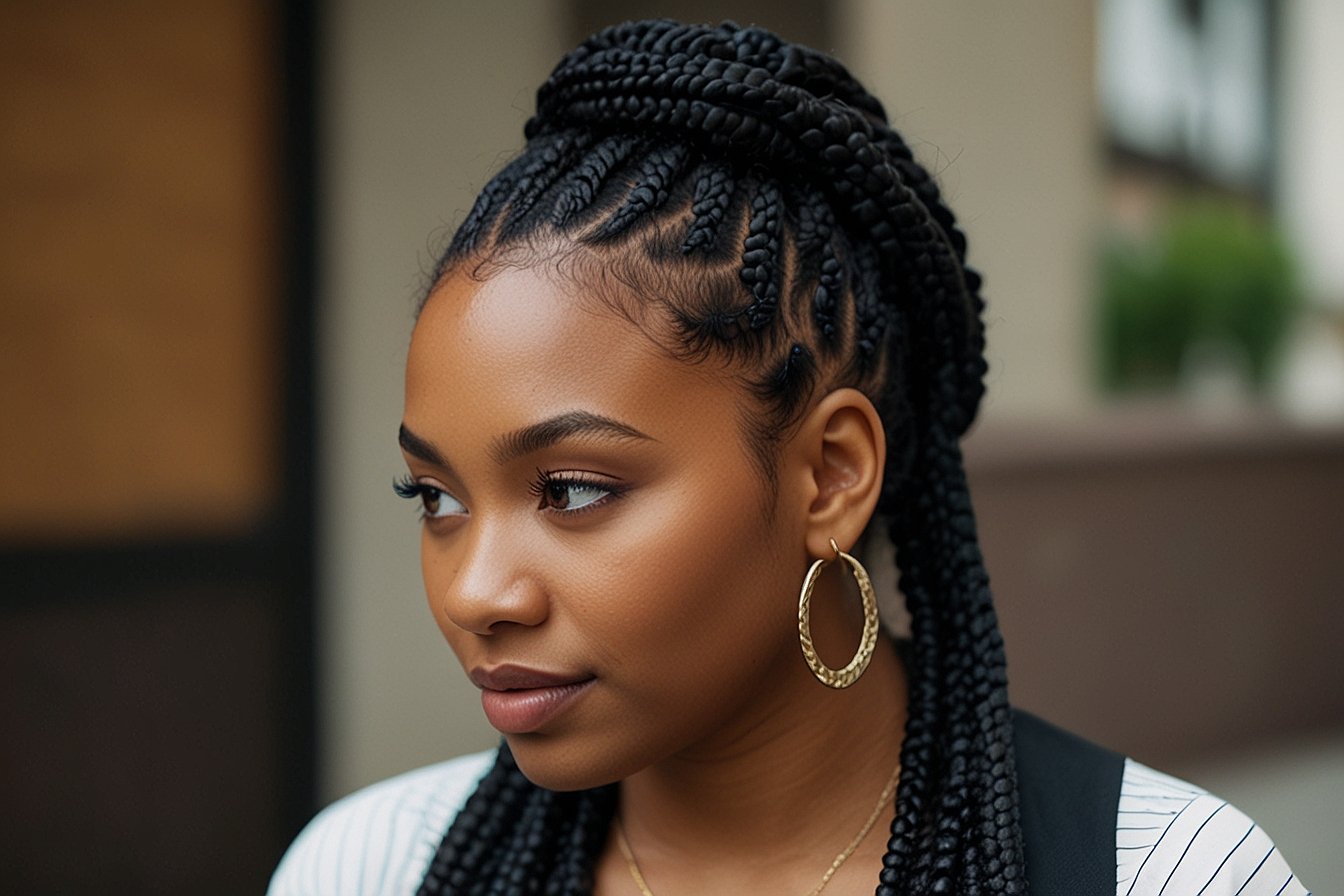
Key Points on Protective Hairstyles for Natural Hair
- Research suggests protective hairstyles like twists, braids, and buns can promote length retention by reducing manipulation and breakage, though results vary by individual hair care routines.
- Popular options include cornrows, box braids, and two-strand twists, which seem likely to protect Type 3 and 4 curls from environmental stressors while allowing versatility.
- For moisture retention and scalp health, evidence leans toward regular oiling and gentle installation, but controversy exists around tension leading to edge thinning if not done properly.
- Low-manipulation styles, such as top knots or pineapple updos, offer quick at-home solutions that minimize daily handling.
- While protective styles aid growth for many, they are not a guarantee; combining with deep conditioning and porosity-aware products enhances benefits.
Benefits and Why They Work
Protective hairstyles tuck away ends, shielding them from friction, heat, and weather. This can help retain length and maintain hydration, especially for coily textures prone to dryness. For instance, styles like mini twists have shown strong anecdotal success in length retention. However, balance is key to avoiding buildup or tension issues.
Choosing Based on Hair Needs
Consider your hair porosity and length when selecting styles. High porosity hair benefits from moisture-sealing options like faux locs, while short natural hair suits no-extension twists or Bantu knots. For thinning edges, opt for low-tension choices like crochet locs to prevent further damage.
Essential Maintenance Tips
Keep scalp clean with weekly rinses, apply oils for hydration, and limit wear to 4-8 weeks. This approach supports health without over-stressing roots. Always prep with a deep condition to start strong.
Protective Hairstyles for Natural Hair Guide
Tired of those endless four-hour wash days that leave your arms aching and your curls crying for mercy? You’re not alone in the struggle. For many with Type 3 or Type 4 natural hair, daily styling feels like a battle against breakage, dryness, and time constraints. That’s where protective hairstyles for natural hair come in: your secret weapon for growing length, cutting down manipulation, and shielding those precious coils from harsh elements. This ultimate guide dives deep into versatile styles that blend beauty with hair health, whether you’re a DIY queen or heading to a pro braider. Get ready to reclaim your routine and let your hair thrive.
What Are Protective Hairstyles and Why Do They Matter?
Protective hairstyles tuck away your ends, minimizing exposure to damage from friction, heat, or the environment. Think braids, twists, or updos that keep your natural hair shielded while you rock a fresh look. For Black women and those with coily textures, these styles address common pain points like moisture retention and scalp health, reducing the need for constant handling.
But it’s not just about looks. These hairstyles promote length retention by limiting breakage, a key concern for Type 4C curls that can be prone to dryness. Recent trends show a rise in low-tension options, like knotless braids, which prioritize comfort without sacrificing style. Have you ever wondered why your hair seems to stall at shoulder length? Daily manipulation could be the culprit. Switching to protective styles gives your strands a break, letting them grow undisturbed.
For beginners, start simple. A quick top knot or pineapple updo can be your gateway, offering protection in under 10 minutes. As you build confidence, explore more intricate designs. Remember, the goal is empowerment: feeling beautiful while nurturing your hair’s natural strength.
The Benefits of Protective Styles for Natural Hair Growth
Imagine waking up with your hair already styled, no detangling drama in sight. That’s the freedom protective hairstyles offer, but the perks go deeper. They excel at low-manipulation styles, cutting down on the tugging that leads to split ends and thinning.
One major win? Enhanced hair porosity management. High porosity hair, which absorbs moisture quickly but loses it just as fast, thrives under these styles. By sealing in hydration with oils or butters during install, you create a barrier against dryness. Studies and user experiences highlight how this reduces breakage, with many reporting noticeable growth after consistent use.
Edges get special love, too. Edge protection is crucial for those with fragile hairlines; tension-free options prevent traction alopecia. Plus, these styles save time, making them perfect for busy schedules. Whether you’re aiming for length or just a respite from styling fatigue, they deliver health and convenience in one package.
Don’t overlook versatility. From professional settings to casual outings, protective styles adapt seamlessly. They’re not restrictive; they’re liberating, allowing you to experiment without compromising your hair’s well-being.
Popular Types of Protective Hairstyles
Diving into options? Here’s a breakdown of standout styles, tailored for natural hair. Each offers unique flair while prioritizing protection.
Cornrows: Classic and Versatile
Cornrows braid hair close to the scalp in rows, often with extensions for design. They’re low-maintenance, lasting up to eight weeks, and suit all lengths. Benefits include easy scalp access for oiling, promoting scalp health. For Type 4 hair, avoid tight braiding to prevent tension. DIY tip: Part cleanly and use a gel for grip.
Box Braids: Timeless Protection
Squared sections braided with or without extensions, box braids protect ends fully. They aid growth by minimizing manipulation and can be styled in updos. Ideal for medium to long hair, they last 4-8 weeks. Pro: Versatile sizing. Con: Heavy if too long. Maintain with weekly scalp moisturizing.
Two-Strand Twists: Lightweight and Easy
Twist two sections together, great for natural or transitioning hair. They’re gentle, promoting moisture retention without weight. Suit short to long lengths; wear as is or unravel for a twist-out. At-home friendly: Dampen hair, apply cream, twist from root to end.
Bantu Knots: Cultural and Cute
Section and knot hair into mini buns. Protects by tucking ends, suitable for all types. Last 1-2 weeks; unravel for curls. Tip: Use on stretched hair for definition.
Knotless Braids: Tension-Free Innovation
Braids without root knots, reducing pull on edges. Perfect for thinning hairlines, lasting 4-6 weeks. Blend seamlessly with natural hair.
Faux Locs: Loc Look Without Commitment
Wrap extensions around braids for a loc effect. Protects fully, ideal for high porosity hair needing hydration lock-in.
Top Knots and Buns: Quick Updos
Gather into a high or low bun. Super simple for short hair, minimizing daily touch. Add accessories for flair.
Crochet Braids: Fast Install
Loop extensions through cornrows. Versatile textures; low tension on edges.
Senegalese Twists: Rope-Like Elegance
Two-strand twists with smooth hair. Lighter than box braids, great for active lifestyles.
Wigs and Weaves: Full Coverage
Cornrow underneath and attach. Allows hair rest; choose glueless for ease.
| Style | Suitable Hair Length | Key Benefits | Maintenance Level |
|---|---|---|---|
| Cornrows | All lengths | Scalp access, versatile designs | Low: Oil weekly |
| Box Braids | Medium-long | Length retention, styling options | Medium: Moisturize scalp |
| Two-Strand Twists | Short-long | Lightweight, easy DIY | Low: Refresh with water |
| Bantu Knots | All | Dual style (knots or out) | Low: Re-twist as needed |
| Knotless Braids | Medium-long | Low tension, natural look | Medium: Gentle cleansing |
| Faux Locs | Medium-long | Full protection, loc aesthetic | Medium: Wrap nightly |
| Top Knots | Short-medium | Quick, minimal manipulation | Low: Secure with pins |
| Crochet Braids | All | Fast install, texture variety | Medium: Rinse carefully |
| Senegalese Twists | Medium-long | Silky finish, lighter weight | Low: Oil ends |
| Wigs/Weaves | All | Complete rest, versatility | High: Remove for deep clean |
These styles cater to various needs, from easy protective hairstyles for natural hair at home to pro installs.
How to Choose the Right Style for Your Hair Length and Goals
Selecting a style starts with your hair’s specifics. Short natural hair shines in protective hairstyles for short natural hair without extensions, like mini twists or flat twists, which add volume without added weight. For growth goals, opt for the best protective hairstyles for natural hair growth, such as cornrows or box braids, which tuck ends securely.
Consider porosity: Protective styles for high porosity hair need moisture-locking options like Marley twists. Thinning edges? Choose gentle protective hairstyles for thinning edges, avoiding tight pulls; try loose buns or crochet locs.
Lifestyle matters too. Busy days call for low-maintenance picks like wigs, while DIY fans might prefer twists. Match to goals: length retention favors mini twists; time-saving suits top knots.
Rhetorical question: Ready to grow those inches? Assess your routine and hair type first.
Step-by-Step Guide to Installing Protective Styles at Home
Going DIY? Prep is key. Trim ends, wash with a clarifying shampoo, and deep condition for slip.
For two-strand twists:
- Section damp hair.
- Apply leave-in and oil.
- Twist from the root, secure ends.
- Dry naturally.
Box braids:
- Part into squares.
- Braid with or without synthetic vs. human hair extensions.
- Dip ends in hot water for seal.
Common mistake: Skipping moisture. Always layer products for hold without dryness.
For pros: Communicate needs, like tension-free braiding or leave-out vs. tuck and pin.
How to Maintain Protective Hairstyles for Natural Hair
Maintenance keeps styles fresh and hair healthy. How to maintain protective hairstyles for natural hair? Focus on scalp and moisture.
Weekly: Cleanse with diluted shampoo, focusing on roots. Oil scalp with lightweight formulas for moisture retention.
Nightly: Wrap in silk to prevent frizz. Avoid over-washing to dodge slippage.
For braids: Massage oil into parts; refresh with spray. Twists: Re-twist ends if needed.
Tip: Track wear time; remove after 4-8 weeks to prevent matting. Real-world example: A quick oil massage mid-week revives shine without mess.

Source: therighthairstyles.com
The Crucial Take-Down Phase: Avoiding Damage
Takedown done wrong leads to breakage. Start with oil to loosen; snip extensions carefully.
Steps:
- Moisten with conditioner.
- Unravel from ends.
- Detangle sections.
- Wash and deep condition post-removal.
Gentle handling preserves growth gains. Post-takedown, pamper with a protein treatment for strength.
Common Mistakes to Avoid and Pro Tips
Pitfall: Too much tension causes edges issues; choose knotless varieties. Another: Neglecting scalp leads to itchiness.
Pro tips: Test hair porosity first (float test). Use natural ingredients like shea butter. For dupes, try affordable gels over pricy ones.
Trend alert: Eco-friendly extensions from recycled materials gain traction.
| Mistake | Fix | Pro Tip |
|---|---|---|
| Tight install | Go knotless | Pre-stretch hair |
| Skipping prep | Always deep condition | Use steam for penetration |
| Over-wearing | Limit to 6 weeks | Rotate styles |
| Ignoring porosity | Tailor products | Seal with butters for high porosity |
Conclusion
Protective hairstyles for natural hair transform routines, fostering growth, hydration, and style without the hassle. From cornrows for scalp access to twists for ease, they balance aesthetics and health. Embrace them to cut wash days and boost confidence. Start small: Pick a twist out this weekend, prep your hair, and watch the magic unfold. Your curls deserve this care.
You may also like: Cat Eye Eyeliner Made Easy: A Step-by-Step Guide for Beginners