
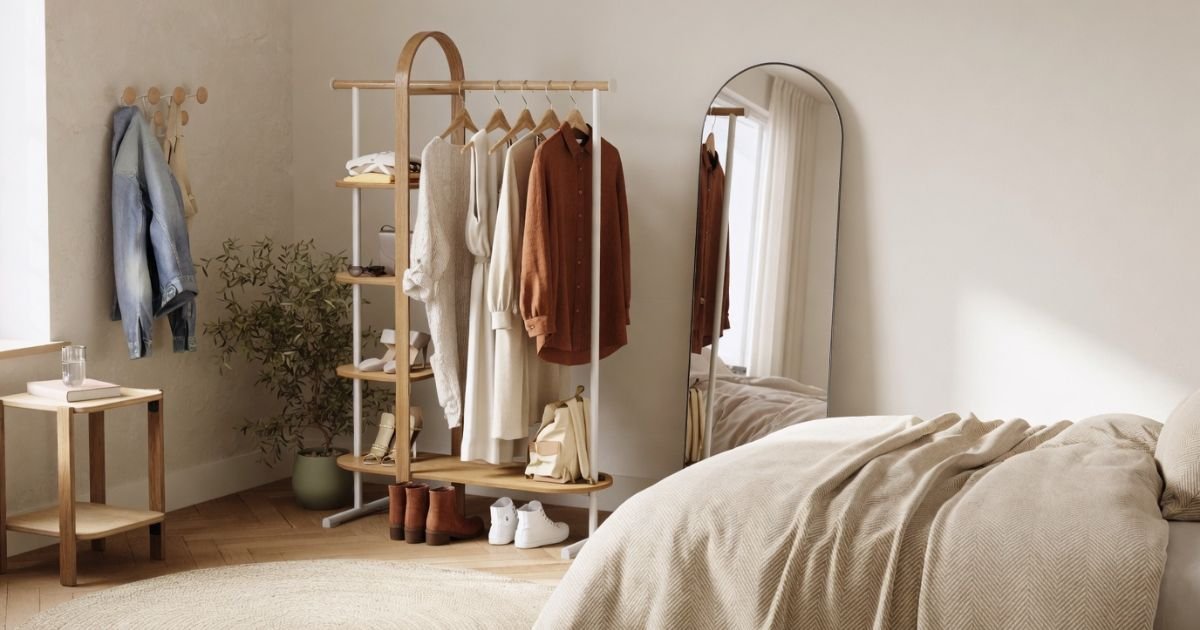
You know that moment. You stand in front of a closet stuffed with clothes, yet nothing feels right for the day ahead. The average person owns roughly 148 pieces, according to wardrobe surveys, but still ends up wearing the same few items on repeat. It is exhausting. And expensive. And, if we are honest, a little ridiculous.
A capsule wardrobe cuts through exactly that noise. It is not about owning almost nothing or forcing yourself into a rigid uniform. It is about choosing a smaller, smarter collection of pieces that mix and match effortlessly, reflect how you actually live, and make getting dressed feel simple again. Think of it as curating a personal toolkit instead of hoarding random tools you rarely touch.
If you have ever wondered how to start without turning your entire life upside down, this guide walks you through it from scratch. We will cover the real benefits, a realistic step-by-step process, outfit formulas that work, styling tricks, and answers to the questions that come up most often.
What a Capsule Wardrobe Actually Is
At its core, a capsule wardrobe is a limited set of versatile, high-quality garments and accessories that create dozens of outfits through smart combinations. Most people land somewhere between 30 and 50 pieces total, though the exact number matters less than how well everything works together.
The concept has roots in the 1970s but gained fresh momentum with the rise of minimalist fashion and concerns about fast fashion waste. Today it appeals to anyone tired of decision fatigue, overflowing drawers, or the cycle of buying things that sit unworn.
It is flexible by design. You can build one for the whole year or rotate seasonally. You can keep it mostly neutral or weave in personality through texture, accessories, and a few accent colors. The only real rule is that every piece should earn its place by being worn often and pairing well with the rest.
Why It Is Worth the Effort
The upsides show up quickly once you commit. Mornings become faster. Your budget stretches further because you stop buying duplicates or impulse pieces that clash with everything else. Your closet feels calmer, and you waste less time and mental energy.
Beyond the practical wins, many people notice their personal style sharpens. When you edit down to what you genuinely like and wear, outfits start to feel more like you instead of random experiments.
Here is a clear comparison to help you see the difference:
| Aspect | Traditional Overflowing Closet | Capsule Wardrobe |
|---|---|---|
| Decision fatigue | High – too many choices, many that do not work | Low – every piece has a purpose |
| Time spent getting ready | Often 15-30+ minutes of indecision | Usually under 10 minutes |
| Annual clothing spend | Higher due to trends and replacements | Typically 25-35% lower over time |
| Sustainability | More waste from unworn or low-quality items | Fewer purchases, longer-lasting pieces |
| Outfit creativity | Can feel scattered | Focused but surprisingly versatile |
| Closet stress | Visual clutter and “nothing to wear” moments | Calm, intentional, and easy to maintain |
Some experts disagree on how strict the limits should be, but here is my take: the goal is not deprivation. It is relief. You still get to express yourself. You simply do it with fewer, better choices.
How to Build Your Capsule Wardrobe Step by Step
You do not need a complete overhaul or a big shopping budget to begin. The smartest approach starts with what you already own and builds from there.
Step 1: Start With What You Actually Wear
Empty your closet or at least pull everything into view. Instead of a brutal purge, sort through and pull out the pieces you reach for most often. Note the colors, fabrics, and shapes that keep showing up in your favorites. These clues reveal your real style far better than any Pinterest board.
Set aside anything that no longer fits your current life, feels uncomfortable, or has not been worn in the past year. Move seasonal items you will not need soon into storage so they stop cluttering your daily view. This step alone often creates surprising breathing room.
Step 2: Define Your Lifestyle and Personal Style
Ask yourself honest questions. What do most of your days actually look like? Office days, remote work, school runs, travel, weekends at home? Your wardrobe should support those realities, not some idealized version of your life.
Spend a little time gathering inspiration that feels like you right now. It could be saved photos, notes on textures you love, or even a quick list of words that describe how you want to feel in your clothes (effortless, polished, comfortable, creative). This becomes your filter for every future decision.
Step 3: Choose a Cohesive Color Palette
This is where everything starts to click. Pick 3 to 5 core neutrals that flatter you and mix easily. Classic options include black, white or cream, navy, gray, camel or taupe, and soft brown. These form the backbone.
Then add one or two accent colors you genuinely enjoy wearing. Keep them in a similar undertone family so they play nicely with your neutrals. The result is a palette that lets you create outfits without thinking too hard about whether things match.
Step 4: Curate Your Core Pieces
Now select the actual items. Focus on versatile staples that can be dressed up or down. Common foundations include:
- A great pair of jeans or neutral trousers
- A white or neutral tee and a button-down shirt
- A couple of sweaters or cardigans in your palette
- A blazer or structured layer
- One or two dresses or skirts if you wear them
- Versatile shoes (think sneakers, boots or loafers, and perhaps flats)
- A coat or jacket suited to your climate
Quality matters here. Well-made pieces in good fabrics hold their shape, feel better, and last longer. That is where the long-term savings come from.
Step 5: Build Outfit Formulas
This is the fun part. Instead of buying random pieces, create repeatable combinations that work. Here are a few simple formulas to adapt:
- Jeans + white tee + blazer + sneakers (add a scarf or nice bag for polish)
- Trousers + button-down + cardigan or lightweight knit
- Neutral dress + sneakers or boots, layered with a jacket
- Wide-leg pants + fitted top tucked in + statement shoes or belt
Take photos of combinations you like. On busy mornings you can glance at them instead of starting from scratch. Layering, accessories, and different shoe choices multiply the options without adding more clothes.
Step 6: Fill Gaps Thoughtfully and Maintain
Once you have built outfits from what you own, you will see what is missing. Maybe you need a better neutral sweater or a pair of shoes that works with multiple looks. Shop with intention. Thrift stores, sales on quality basics, and slow fashion brands are all fair game.
Give yourself a few weeks living with the new system. Adjust as needed. Then review every few months or at season changes. Remove anything that stopped getting worn and add only what fills a real gap.
Minimalist Style Tips That Make It Easier
Small tweaks create big impact. Tuck or half-tuck tops to change proportions. Add a belt or simple jewelry to refresh a look. Play with textures, like pairing a chunky knit with smoother trousers. Keep accessories in your palette so they pull everything together.
Pay attention to fit. Even simple pieces look expensive and intentional when they suit your shape. And do not underestimate the power of good undergarments and shoes. They quietly support everything else.
Common Mistakes to Avoid
Many people start strong then hit friction. The biggest one is trying to copy someone else’s capsule exactly instead of adapting it to their own life. Another is keeping “just in case” items that never get worn. They only create visual noise.
Some rush out and buy everything new at once. That defeats the purpose and the budget. Others make the collection so small they feel restricted. Remember, it should feel freeing, not like a constraint. Start slightly larger if variety matters to you, then edit down over time.
Frequently Asked Questions
How many pieces should a capsule wardrobe have?
Most people find 30 to 50 items comfortable for clothing, shoes, and outerwear combined. The number is flexible. What matters is that you can create enough outfits for your routine without stress. Some thrive with fewer, others prefer a bit more breathing room.
Do I need to buy all new clothes?
Not at all. The best starting point is what you already own and love. Many successful capsules are built almost entirely from existing pieces, with just a few targeted additions to fill gaps. This approach saves money and reduces waste.
What if I get bored or my style changes?
That is normal and expected. Treat your capsule as a living system rather than a fixed set. Swap pieces seasonally, add a new accent color when it feels right, or rotate items in and out. The structure stays, but the contents can evolve with you.
Can a capsule wardrobe work if I have a specific job or lifestyle needs?
Absolutely. The key is building around your actual days. Someone who needs polished looks for client meetings will include more blazers and trousers. A parent or remote worker might prioritize comfortable layers and easy pieces. Your capsule should fit your life, not the other way around.
How do I handle seasons or special events?
Many people create a core year-round capsule and add or swap seasonal items as needed. For weddings, travel, or big events, keep a few versatile extras or rent/borrow when it makes sense. The goal is reducing daily overwhelm, not eliminating every special-occasion piece.
Does this really save money?
Yes, over time. You spend less on impulse buys and replacements because quality pieces last longer. One study of capsule adopters found roughly 30 percent lower annual clothing spending compared with similar fast-fashion shoppers. The upfront investment in better basics pays off.
What colors should I choose?
Start with neutrals that flatter your skin tone and mix well: black, white, navy, gray, camel, or taupe are reliable. Add one or two accents you actually enjoy wearing. The test is simple. Can you picture multiple outfits using these colors together? If yes, you are on the right track.
A Final Thought
Building a capsule wardrobe is less about rules and more about paying attention. When you stop treating your closet like a storage unit for every possible version of yourself and start treating it like a collection of tools you actually use, something shifts. Getting dressed stops feeling like a chore and starts feeling like a small, quiet win.
If the idea appeals to you, do not wait for the perfect moment or an empty closet. Pick one category this weekend, say your tops or your shoes, and apply the same questions: Do I wear this? Does it work with what else I own? Does it reflect how I live now?
You might be surprised how quickly the rest starts to fall into place. What is one piece in your closet right now that already feels like it belongs in a simpler, more intentional wardrobe?
You may also like: Ondo Socks Review: Do They Actually Stay Up All Day?
 Arthur