
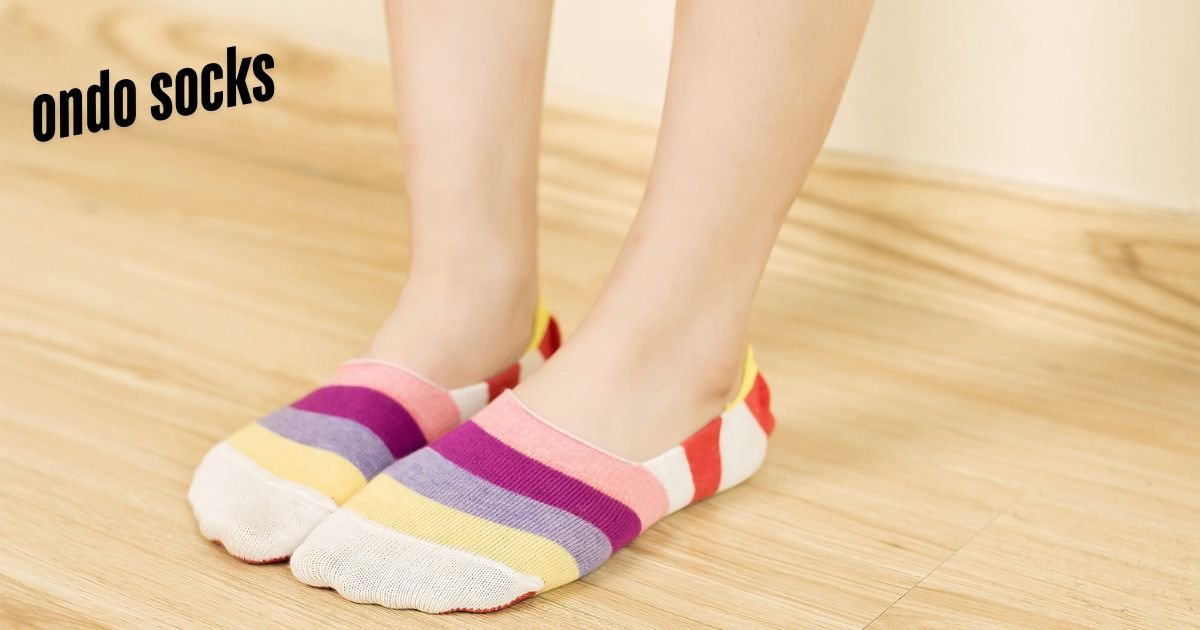
Most of us have been there. You slip on a pair of no-show socks, head out the door feeling confident, and within an hour you are doing that awkward heel-adjustment dance in public. It is annoying, distracting, and somehow never gets easier no matter how many brands you try. I have tested more invisible socks than I care to admit, chasing that perfect blend of comfort, invisibility, and staying power. So when Ondo socks started popping up in my feed with their bold no-slip guarantee, I figured it was time for a real-world test.
In this Ondo socks review, I spent weeks wearing both their organic cotton and merino wool no-show styles. I put them through daily commutes, long walks, gym sessions, and even a few dressier occasions with loafers. The question everyone wants answered is simple: do these things actually stay up all day? Let us break it down honestly, from first wear to final wash.
What Exactly Are Ondo Socks?
Ondo is a newer player in the sock game, but they focus on one very specific problem: no-show socks that refuse to slide down. Their lineup includes the classic no-show version in organic cotton and a merino wool option, plus some lower-cut styles designed for flats and loafers.
What sets them apart is the patented silicone grip technology. Instead of those tiny rubber dots you see on cheaper pairs, Ondo uses a wider, flatter silicone strip that wraps around the heel. It is thicker and more secure thanks to a clever cut-and-sew method. Add in double-layered toes for extra durability and breathable fabrics, and you have a sock that promises to stay invisible yet anchored.
I ordered both the organic cotton 8-pack and a 4-pack of the merino wool version. Sizing runs true if you follow their chart, though they recommend sizing down if you are between sizes. Colors are clean and neutral enough to match almost anything in your closet.
How I Tested Them (Real Life, Not Lab Conditions)
Testing socks cannot be rushed. I wore the organic cotton pair with everything from sneakers to boat shoes over two weeks. Then I switched to the merino wool for another two weeks, focusing on days when my feet would normally sweat or get cold. I tracked comfort during 8-10 hour wear, how well they handled movement, and what happened after multiple machine washes on gentle cycle.
I also compared them directly against a few popular alternatives I already owned. Nothing fancy, just honest daily use: standing at my desk, walking the dog, hitting the gym, and even a long-haul flight where sock slippage usually becomes unbearable.
First Impressions: Fit and Feel Right Out of the Box
Right away, these socks feel different. The organic cotton version is incredibly light and soft, almost like you are not wearing anything. The blend (64% certified organic cotton, 24% aerolight polyester, and 12% spandex) gives it that quick-drying, moisture-wicking edge without feeling synthetic. I slipped them on with a pair of white sneakers and forgot they were there within minutes.
The merino wool pair feels slightly denser but still lightweight. Woolmark certified, it has that natural thermoregulating quality everyone raves about. On cooler mornings it kept my feet warm without overheating, and during a sweaty afternoon workout it wicked moisture better than I expected from wool.
Both styles sit low enough to disappear completely in most shoes. The heel cup is generously shaped, and the silicone band feels smooth against skin, not sticky or irritating like some grips I have tried.
Comfort Showdown: Organic Cotton vs. Merino Wool
If comfort is your top priority, the organic cotton wins for everyday wear. It is breathable, soft, and dries fast, which matters when you are on your feet all day. Honestly, after eight hours in dress shoes I barely noticed them. No bunching at the toes, no rubbing, just quiet reliability.
Merino wool brings something extra for temperature swings. You might not know this, but merino naturally balances heat and moisture better than most synthetics. I wore them on a day that started chilly and warmed up fast. My feet stayed even and dry the whole time. The slight extra cushion in the wool version also made long walks feel easier.
That said, neither pair felt bulky. They both deliver that barely-there sensation people chase in no-show socks.
The Real Test: Does the Grip Actually Work All Day?
Here is the part everyone cares about. I can report that yes, in my experience the no-slip claim holds up remarkably well.
The wide silicone strip at the heel makes a noticeable difference. I walked over 12,000 steps one day in sneakers and never once had to readjust. Same story during a three-hour meeting where I kept crossing and uncrossing my legs. No sliding, no heel pop-outs.
I did notice one small thing. On my very first wear with the organic cotton pair in a pair of loafers that sit especially low, I felt a tiny shift after about six hours. Nothing dramatic, just enough to notice. By the second day the socks had molded a bit to my foot and the issue disappeared. The merino wool version never budged at all, even in the same shoes.
Compared to the cheap no-shows I used to buy, these are in another league. Those others usually failed by lunchtime. Ondo socks stayed put through real movement.
Durability After Repeated Wear and Washes
Socks that feel great on day one often fall apart by wash three. Not these. After a dozen cycles the elastic still snapped back, the silicone grip remained intact, and the toes showed almost no wear thanks to that double-layered construction.
The organic cotton held its shape beautifully and did not pill. The merino wool resisted odor better than expected, which is a nice bonus for anyone who travels light or skips daily laundry. Both pairs still look fresh enough to wear with open shoes if needed.
Pros and Cons: A Quick Comparison
To keep things clear, here is how the two styles stack up in my testing.
Organic Cotton No-Show Socks
- Pros: Ultra-lightweight, excellent breathability, fast sweat evaporation, soft from day one, great value in multi-packs
- Cons: Slightly less temperature regulation in extreme cold, very occasional minor shift in ultra-low vamp shoes on first wear
Merino Wool No-Show Socks
- Pros: Superior thermoregulation year-round, better moisture and odor control, slightly more cushion, zero slippage in every test
- Cons: Slightly higher price per pair, feels a touch denser than cotton (though still very light)
Overall pros for the line: true invisibility in most shoes, strong no-slip performance, durable construction, sustainable materials. Overall cons: premium pricing (you pay for the technology), fit can feel generous in the heel for very narrow feet, and you might need to experiment with sizing once.
Who Should Buy Ondo Socks?
These are ideal if you have given up on no-show socks entirely. Office workers who wear loafers or dress shoes, athletes tired of constant readjusting, or anyone who simply wants socks that disappear and stay put. If you already love premium basics and do not mind spending a bit more for something that lasts, Ondo delivers.
They are probably overkill if you only need socks for occasional weekend wear. But for daily use? The investment pays off quickly because you replace them far less often.
Frequently Asked Questions
Do Ondo socks really stay up all day?
In my testing, yes for the vast majority of situations. The silicone heel grip outperforms standard rubber dots by a wide margin. A few users with very narrow feet or extremely low-cut shoes report minor shifts on first wear, but most find they settle perfectly after a couple uses.
Are Ondo socks worth the money?
They cost more than basic packs, but the performance difference is obvious. When you factor in durability and the reduced need to buy replacements every few months, they offer solid long-term value.
What is the difference between the organic cotton and merino wool versions?
Organic cotton is lighter and quicker-drying, perfect for warm weather or high-activity days. Merino wool excels at temperature regulation and odor resistance, making it better for variable conditions or longer wear without washing.
How do you wash Ondo socks?
Machine wash on gentle or cold, then air dry or tumble on low. They hold up well either way and the silicone grip does not degrade.
Will they work with loafers and flats?
The standard no-show version does fine in most loafers. If you need even lower coverage, Ondo offers a dedicated low-cut style designed specifically for those shoes.
Do they run true to size?
Generally yes. If you are between sizes, size down. Wide feet may want to size up within the range.
Are they truly invisible?
They disappear completely in sneakers, running shoes, and most casual footwear. With very low vamp loafers you might see a sliver at the very back, but nothing noticeable from normal angles.
Final Thoughts: My Honest Take
After weeks of testing, I can say Ondo socks solve the no-show problem better than anything else I have tried. They are not perfect, no sock is, but the combination of thoughtful design, quality materials, and that reliable grip makes them a standout. The organic cotton version has become my daily go-to for most shoes, while the merino wool pair gets pulled out when the weather turns or I know I will be on my feet longer than usual.
Would I buy them again? Absolutely. In a world full of disappointing invisible socks, these actually deliver on the promise. If you are tired of the constant battle with slipping heels, give them a shot. Your feet will thank you.
What has been your experience with no-show socks? Have you found a pair that finally stays put, or are you still searching? Drop a comment below. I would love to hear which styles have worked for you.
You might like: Wolf Cut Guide: 25+ Trendsetting Ideas & Styling Tips (2026)