
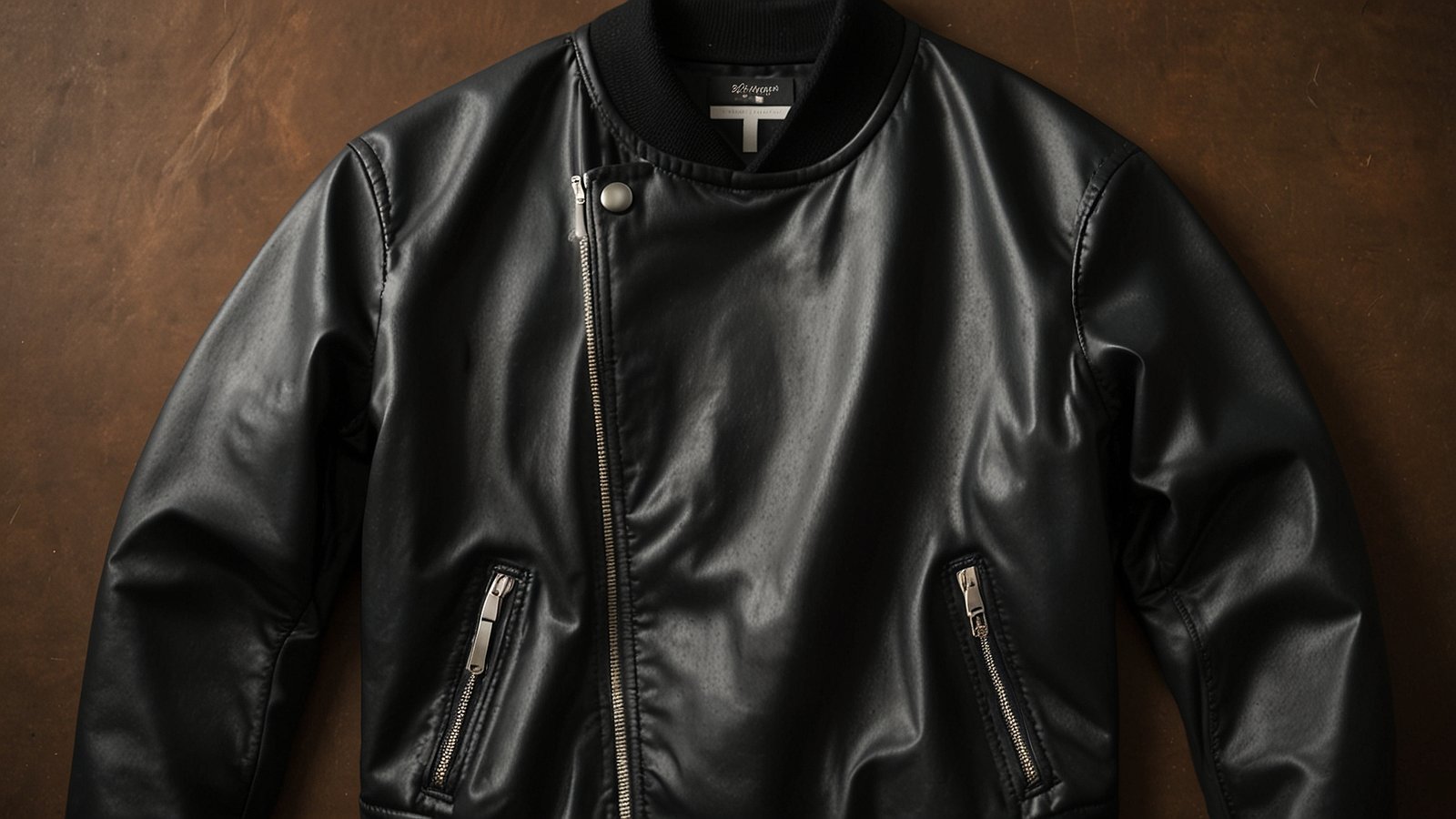
Have you ever slipped into a stylish jacket that looked just like leather, only to notice it cracking or peeling after a season? That frustrating moment often stems from pleather, the affordable alternative that’s everywhere in fashion and home decor. If you’re a budget-conscious shopper or someone prioritizing animal-free options, understanding pleather can save you time, money, and disappointment. In this guide, we’ll break down what pleather really is, explore its types and quality markers, dive into ethical considerations, and share practical tips for care and smart buying, so you can confidently choose pieces that last.
What Exactly Is Pleather?
Pleather, short for “plastic leather,” is a synthetic material crafted to imitate the appearance and texture of genuine leather. It’s essentially a fabric base, like polyester or cotton, coated with polymers such as polyurethane (PU) or polyvinyl chloride (PVC) to create that sleek, leather-like finish. This makes it a popular choice in sustainable fashion for those avoiding animal products.
Think about your favorite thrift find: a pleather bag that feels soft yet durable. Unlike real leather, which comes from animal hides, pleather is man-made in factories through textile manufacturing processes. It first gained traction in the 20th century as a cost-effective substitute, and by the 1990s, the term “pleather” became common slang for these animal-free textiles.
But why does it appeal to so many? For vegan shoppers, it’s a cruelty-free option. Interior designers love it for upholstery fabrics because it’s easy to clean and resists stains better than some natural materials. Everyday consumers often pick it up without realizing it’s not the real deal, drawn in by the lower price tag.
The Origins and Evolution of Pleather
Pleather’s roots trace back to early artificial leathers in the 19th century, but modern versions exploded in popularity during the 1960s with advances in polymer coating technology. Today, it’s evolved into more sophisticated forms, often labeled as leatherette or synthetic leather. Recent innovations have even introduced bio-based options, blending pleather with plant materials for better sustainability.
If you’ve ever wondered about that shiny couch in your living room, chances are it’s pleather. It’s versatile, used in everything from jackets to car seats, but it does have limitations we’ll cover later.
The Different Types of Pleather
Not all pleather is created equal, and knowing the types can help you pick the right one for your needs. The two main categories are based on the coating material: PU and PVC.
Polyurethane (PU) pleather is softer and more flexible, making it ideal for clothing like jackets or bags. It mimics leather’s breathability better, so you won’t feel as sticky on warm days. PU is often considered a step up in quality because it’s less rigid and more eco-friendly in production compared to its counterpart.
On the other hand, polyvinyl chloride (PVC) pleather is tougher and more water-resistant, perfect for upholstery fabrics like couches or car interiors. However, it can feel plasticky and less comfortable against the skin. PVC versions are cheaper but might crack over time if not cared for properly.
There’s also a growing category of hybrid pleathers, blending these with other materials for enhanced durability. For instance, some incorporate recycled plastics or plant fibers, aligning with vegan leather trends.
Which Type Suits Your Lifestyle?
If you’re an active person, grab a pleather backpack for daily commutes; go for PU, it’s lighter and more pliable. For home decor, like a family sofa that sees spills and pets, PVC’s resilience might win out. Always check labels for specifics; they often reveal the base and coating details.
How to Spot High-Quality Pleather
Ever bought pleather that looked great in the store but fell apart at home? Quality varies wildly, so here’s how to tell the good from the bad.
First, feel the texture. High-quality pleather should be supple and slightly textured, not overly smooth or shiny like cheap plastic. Press it, does it crease naturally like leather, or bounce back too perfectly? Natural variations in grain are a good sign.
Check the edges and backing. Quality pieces have reinforced stitching and a fabric backing that’s not flimsy paper. Smell it too: a mild scent is fine, but a strong chemical odor screams low-grade materials.
Thickness matters. Thicker coatings resist peeling better, so measure or compare weights if shopping online. Look for certifications like Oeko-Tex, which ensure safer textile manufacturing without harmful chemicals.
Common Red Flags in Low-Quality Pleather
Avoid items that feel too lightweight or have uneven coloring; these often peel quickly. If it’s super cheap, question the durability. Pro tip: Read reviews for real-user experiences on longevity.
Pleather vs. Real Leather: The Showdown
The big debate: is pleather better than real leather? It depends on your priorities, but let’s compare.
In terms of durability, real leather wins hands down. It can last decades with proper care, developing a patina that adds character. Pleather, while tough initially, might crack or peel after 2-5 years, especially in high-wear areas. For pleather vs leather durability, think short-term affordability versus long-term investment.
Ethically, pleather shines as a vegan leather option, free from animal harm. Real leather involves hides from the meat industry, raising concerns about animal welfare. If you’re eco-conscious, pleather avoids those issues but introduces others.
Environmentally, it’s nuanced. Real leather is biodegradable but requires water-intensive tanning with chemicals. Pleather’s environmental impact stems from fossil fuels in production, leading to microplastics when it breaks down. Studies show pleather’s carbon footprint can be lower per item, but its shorter lifespan means more replacements.
When to Choose One Over the Other
For everyday items like wallets, pleather’s fine and budget-friendly. For heirloom pieces, real leather might be worth it. Many now opt for pleather in sustainable fashion to reduce animal use.
The Ethics and Environmental Side of Pleather
Pleather positions itself as an ethical hero, and for good reason. As an animal-free textile, it’s perfect for vegans and those against leather’s ties to factory farming. No animals are harmed, making it a compassionate choice.
But let’s be honest about the environment. Traditional pleather, made from plastics, contributes to pollution during manufacturing and doesn’t biodegrade easily. It can release toxins and microplastics, harming wildlife. On the flip side, it uses fewer resources than leather production, which guzzles water and emits methane.
Recent shifts toward bio-based pleather are promising. Innovations like recycled polymers cut down on waste, aligning with sustainable fashion.
Balancing Ethics with Reality
If ethics drive you, Pleather’s a solid pick, but seek sustainable brands. It’s not perfect, but it’s evolving.
How to Care for Your Pleather Items
Proper care keeps pleather looking fresh. Start with prevention: store away from direct sunlight to avoid fading or cracking.
For cleaning, wipe with a damp cloth and mild soap. Avoid harsh chemicals or soaking, as they can damage the coating. For how to clean pleather jackets, gently scrub stains with a soft brush, then air dry.
Furniture like couches needs vacuuming to remove dust, followed by a wipe-down. Use specialized conditioners to maintain flexibility and prevent why is my pleather couch cracking.
Daily Maintenance Tips
Dust weekly, and for spills, blot immediately. In humid areas, use silica packs in storage to prevent mold.
Fixing Common Pleather Problems
Peeling is the dreaded pleather issue, often from wear or poor quality. For how to repair peeling pleather, try a repair kit with flexible filler and color-matched paint. Apply in thin layers for a seamless fix.
Cracking happens from dryness, so condition regularly. For small tears, patches work, but extensive damage might mean replacement.
Nail polish can disguise minor peels on dark items, but it’s temporary. Professional reupholstering is an option for furniture.
Preventing Future Issues
Choose quality from the start, and rotate use to reduce stress on items.
Best Vegan Leather Alternatives in 2026
Looking beyond traditional pleather? 2026 brings exciting vegan leather alternatives. Plant-based options like mushroom leather (mycelium) offer low-carbon footprints, as low as 8% of bovine leather’s impact.
Piñatex from pineapple leaves, cactus leather, and apple leather are durable and biodegradable. Innovations include corn, cork, olive, and grape leathers, used by brands like Nike.
From X discussions, crop waste transformations, and temple flower-based Fleather highlight sustainability.
Top Picks for 2026
Try Piñatex for bags or mushroom for shoes, they’re game-changers in sustainable fashion.
Purchasing Tips for Smart Shoppers
Ready to buy? Prioritize brands that are transparent about materials. Look for vegan leather labels with eco-certifications.
Budget shoppers: Check thrift stores for gently used pleather. For upholstery, measure needs and read warranties.
Common mistakes: Ignoring care instructions or buying without touching. Test for flexibility in-store.
In wrapping up, pleather offers an accessible, ethical path to leather-like style, with types like PU and PVC suiting various needs. While it may not outlast real leather, quality choices and proper care extend its life, reducing environmental strain. Innovations in 2026 make it even greener. Start by inspecting your current pieces today, toss the peelers, and shop smarter for that perfect, guilt-free jacket or sofa.
You May Also Like: The Art and Science of Perfuming Hair: How to Smell Amazing Without the Damage