
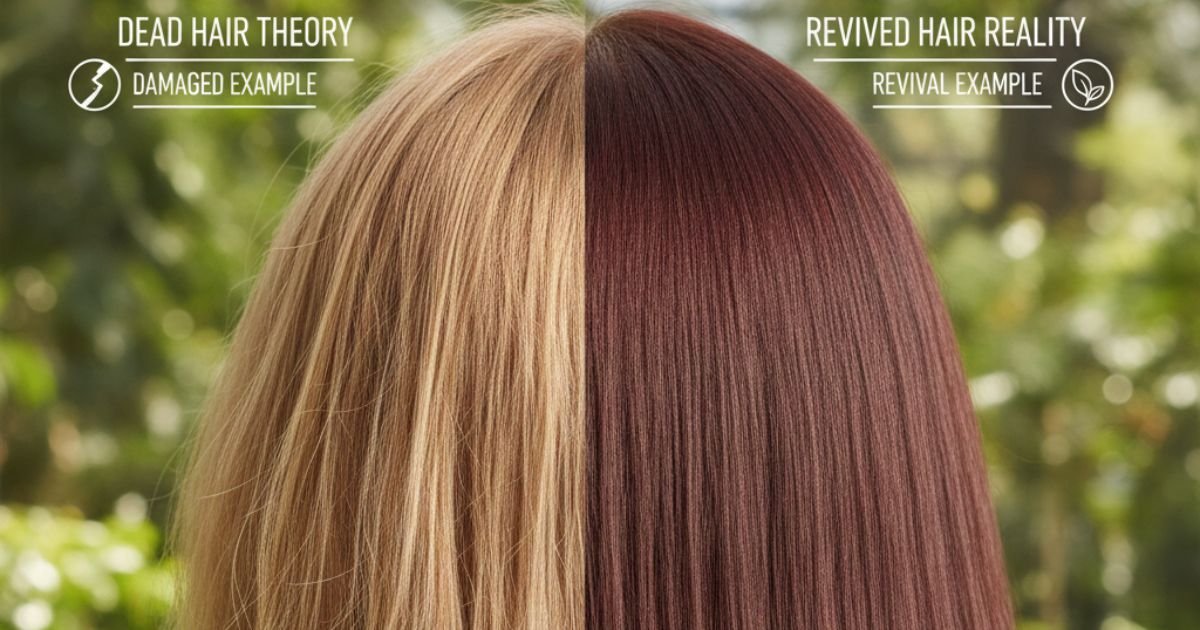
Key Points on Dead Hair Theory
- Dead Hair Theory refers to the concept that visible hair strands are biologically dead tissue, composed mainly of keratin without living cells, nerves, or blood supply, making them unable to self-heal like skin.
- Research suggests it’s rooted in science rather than myth, as hair beyond the scalp is inert, but chemical activity allows for bond reformation and cosmetic improvements to restore appearance and strength.
- Evidence leans toward partial revival being possible through targeted care, though severe damage often requires trimming; products like bond-builders can strengthen bonds, but prevention is key to avoiding lifeless hair.
- Controversy exists around “repair” claims, with some experts noting true repair is limited, while others highlight innovations in peptide technology for deeper restoration, emphasizing empathy for those frustrated by damaged locks.
What Is Dead Hair Theory?
Dead Hair Theory explains why hair can feel lifeless, dry, or unresponsive. It posits that once hair emerges from the follicle, it’s no longer alive, leading to damage accumulation without natural recovery. This theory has gained traction online, especially on platforms like TikTok, where users discuss how styling or care impacts perception and health.
The Science Behind It
Hair consists of three layers: the cuticle (outer protective scales), cortex (strength-providing keratin fibers), and medulla (inner core). The growth cycle includes anagen (active growth), catagen (transition), and telogen (resting). Damage from heat, chemicals, or UV disrupts disulfide bonds in keratin, increasing porosity and causing split ends. While biologically dead, hair remains chemically active, allowing treatments to reform bonds.
How to Revive Damaged Hair
Start by assessing damage: if hair snaps easily, focus on protein; if it’s limp, prioritize moisture. Trim split ends regularly, use bond-repair products weekly, and maintain protein-moisture balance with masks containing peptides or oils. For all hair types, reduce heat styling and protect with leave-ins. Consistent routines can improve texture, but consult professionals for severe cases.
Dead Hair Theory: Science & Revival Guide
Have you ever run your fingers through your hair and felt nothing but dryness, brittleness, or a total lack of bounce? That frustrating moment when products seem to slide right off, leaving your strands looking dull and unresponsive, is something many of us know all too well. Enter Dead Hair Theory, a popular online explanation for why hair can feel so lifeless. But is it real science, or just a misleading myth? In this guide, we dive into what Dead Hair Theory truly means, unpack the biology behind it, and share practical steps to revive damaged hair. Whether you’re dealing with split ends or simply want healthier locks, understanding this can transform your routine.
What Is Dead Hair Theory?
Picture this: you spend hours on a new hair mask, only for your strands to stay flat and uncooperative. That’s where Dead Hair Theory comes in. It suggests that the hair you see and style is essentially “dead” tissue, unable to repair itself like living skin because it lacks blood flow, nerves, or active cells.
This idea has exploded on social media, with users sharing before-and-after stories of “reviving” their manes. But it’s not just hype. Dead Hair Theory highlights how external factors turn vibrant hair into something brittle and unresponsive. Think of it as a wake-up call to treat your hair with more intention.
Why does this matter to you? If your hair feels perpetually dry or damaged, recognizing this theory can shift your approach from quick fixes to long-term care. It’s empowering to know you’re not alone in this struggle, and small changes can make a big difference.
Origins and Popularity of Dead Hair Theory
Dead Hair Theory isn’t new, but TikTok and Instagram have made it viral. Videos under related hashtags rack up millions of views, often linking it to broader “hair theory” trends about how styles affect perception. For instance, one expert notes that while hair is biologically inert, its chemical bonds can still evolve, influencing how it looks and feels.
In real-world terms, imagine switching from harsh dyes to gentle ones and seeing your hair regain shine. That’s the appeal: it demystifies why some routines fail, and others succeed.
The Science Behind Dead Hair Theory
At its core, Dead Hair Theory is grounded in biology. Hair grows from follicles in the scalp, where cells are alive and multiplying. But once strands push through the skin, they harden into keratin, a protein that forms a tough, protective structure without any living components.
This means hair can’t “heal” on its own. Damage builds up, leading to issues like fragility or dullness. Yet, it’s not entirely hopeless. Science shows hair remains chemically active, with bonds that can break from stress and reform with the right interventions.
Curious about why your hair snaps or frizzes? It boils down to structural changes. Let’s break it down simply.
Hair Structure and Keratin
Your hair has three key layers: the outer cuticle (like shingles on a roof), the cortex (packed with keratin fibers for strength), and sometimes a medulla core. Keratin is the star here, a fibrous protein that gives hair its resilience.
When intact, keratin keeps strands smooth and elastic. But heat or chemicals can weaken it, causing the cuticle to lift and expose the cortex. This is why damaged hair feels rough, like straw.
For example, if you color your hair often, alkaline ingredients lift the cuticle to deposit pigment, but repeated exposure erodes keratin bonds. The result?
Hair Growth Cycle and Hair Follicle
Hair doesn’t grow forever. It follows a cycle: anagen (growth phase, lasting 2-7 years), catagen (short transition), and telogen (resting, where old hair sheds). The hair follicle is the living root, nourished by blood vessels in the scalp.
Dead Hair Theory applies to the shaft above the scalp, not the follicle. Healthy follicles produce strong new growth, but if damage affects the shaft, it can make the whole strand seem “dead.” Stress or poor nutrition can disrupt this cycle, leading to thinner regrowth.
Think of it like a plant: the roots (follicles) need care to sprout healthy leaves (hair shafts). Neglect them, and issues compound.
What Causes Hair Damage?
Hair damage stems from multiple sources. Heat tools above 125°C vaporize internal water, creating bubbles that weaken proteins. Chemicals in dyes or perms break disulfide bonds in keratin, increasing vulnerability.
Environmental factors play a role, too. UV rays degrade melanin and bonds, boosting hair porosity (how easily moisture enters and exits). Pollution binds particles to strands, altering structure and causing brittleness.
Even daily habits add up: tight ponytails create tension, while over-washing strips natural oils. Understanding these helps prevent the “dead” feel.
Signs Your Hair Might Be “Dead”
How do you know if Dead Hair Theory applies to you? Look for telltale signs that scream damage. Hair that once bounced now hangs limp, or tangles at the slightest touch.
These symptoms aren’t just cosmetic; they signal underlying structural issues. Spotting them early lets you act before things worsen.
Split Ends and Breakage
Split ends are a classic red flag. They occur when the cuticle frays, allowing the cortex to unravel like a rope. If ignored, splits travel up the shaft, leading to breakage.
Breakage feels like constant shedding, with strands snapping mid-length. It’s common in over-processed hair, where bonds are too weak to hold.
A quick test: stretch a wet strand gently. If it breaks easily, the damage is advanced.
Hair Porosity Issues
Hair porosity measures how well strands absorb and retain moisture. Low porosity means tight cuticles that repel products, leaving hair flat. High porosity, from damage, lets moisture in but not out, causing frizz and dryness.
To test: drop a clean strand in water. If it sinks fast, porosity is high; if it floats, it’s low. Medium is ideal for balance.
High porosity is often tied to the Dead Hair Theory, as porous hair feels unresponsive and “dead.”
Debunking Hair Care Myths
With Dead Hair Theory buzzing online, myths abound. Let’s clear the air on common ones, so you avoid wasting time and money.
Many believe hair can fully “repair” itself, but remember: it’s dead tissue. Products help, but true myths can mislead.
Myth: You Can Fully Repair Split Ends
Truth: No product seals split ends permanently. Silicones smooth temporarily, but the only fix is a trim. Bond-builders like those with peptides can strengthen, but prevention beats cure.
For instance, claims of “miracle” creams fixing splits wash out. Focus on protecting ends with oils instead.
Myth: Cold Water Makes Hair Shinier
Warm water actually smooths cuticles better for shine. Cold rinses help somewhat, but gentle products and less heat are more effective.
Another one: air-drying prevents all damage. Wet hair is fragile, so low-heat drying restores bonds faster.
Myth: Protein Fixes Everything
While protein-moisture balance is key, overload makes hair brittle. Balance with hydrators; too much protein without moisture leads to snaps.
Check labels: hydrolyzed proteins penetrate, but pair with emollients like oils for harmony.
How to Revive Damaged Hair
Good news: while Dead Hair Theory means hair isn’t “alive,” you can revive its look and feel. Focus on bond repair, hydration, and protection. It’s about consistent, gentle care.
Imagine waking up to softer, bouncier hair. With these steps, it’s achievable.
Step-by-Step Guide to Revival
- Assess and Trim: Start with a professional cut to remove split ends. This stops damage spread.
- Cleanse Gently: Use sulfate-free shampoos to avoid stripping oils. Wash 2-3 times weekly.
- Bond Repair Treatments: Apply masks with peptides (like K18) weekly. They reform disulfide bonds for strength.
- Hydrate Deeply: Follow with moisture masks containing hyaluronic acid or aloe. Leave on 10-20 minutes.
- Protect Daily: Use leave-ins with UV filters. Limit heat; air-dry when possible.
- Maintain Balance: Alternate protein and moisture products. Test elasticity: if hair stretches and snaps back, you’re balanced.
For real-world application: after bleaching, use a bond-builder immediately to minimize damage.
Achieving Protein-Moisture Balance
Protein-moisture balance keeps hair strong yet soft. Protein (like keratin) fortifies; moisture (from oils) prevents dryness.
Signs of imbalance: brittle hair needs moisture; limp strands crave protein. Use treatments bi-weekly, adjusting based on feel.
For curly hair, add humectants like glycerin. Straight types benefit from lightweight proteins.
Tips for Different Hair Types
- Fine Hair: Opt for light serums to avoid weighing down. Focus on low-porosity care with warm applications for better absorption.
- Curly or Coily: Embrace co-washing and leave-ins. High porosity? Seal with butters like shea.
- Thick Hair: Deep condition often. Combat damage with oils like jojoba for penetration.
Tailor to your needs: test products on a small section first.
Ingredient Breakdowns and Techniques
Look for keratin in hydrolyzed form for better absorption. Avoid harsh alcohols; choose fatty ones like cetyl for moisture.
Application: For masks, towel-dry hair first. Use wide-tooth combs for detangling to minimize breakage.
Recent trends? Bond-building innovations, like Olaplex’s bis-aminopropyl diglycol dimaleate, repair from within. Blue light protection in serums guards against screen damage.
Common Mistakes to Avoid
Don’t overdo heat: cap at 175°C. Skip tight styles that pull on follicles.
Another pitfall: ignoring scalp health. Massage oils for better growth.
The “48-hour rule”: wait before buying new products to assess needs.
| Hair Type | Common Issue | Recommended Fix | Key Ingredient |
|---|---|---|---|
| Fine | Limpness | Light protein mask | Hydrolyzed keratin |
| Curly | Frizz | Moisture butter | Shea or coconut oil |
| Thick | Dryness | Deep conditioner | Hyaluronic acid |
| Colored | Fading | Bond repair | Peptides |
| All | Breakage | Leave-in serum | Omega-9 fatty acids |
This table helps visualize tailored approaches.
Incorporate these, and watch your hair transform. Remember, patience is key; results build over weeks.
Reviving hair isn’t magic, but science-backed steps make it feel that way. You’ve got this.
Dead Hair Theory reminds us that hair needs proactive love. By understanding its science, debunking myths, and following revival steps, you can achieve vibrant, resilient strands. Start small: assess your porosity this weekend, trim those ends, and try a bond mask. Your hair will thank you with shine and bounce. Feel empowered? Share your journey in the comments.
You May Also Like: Is That an Engagement Ring? Decoding Taylor Swift’s Ring Style