
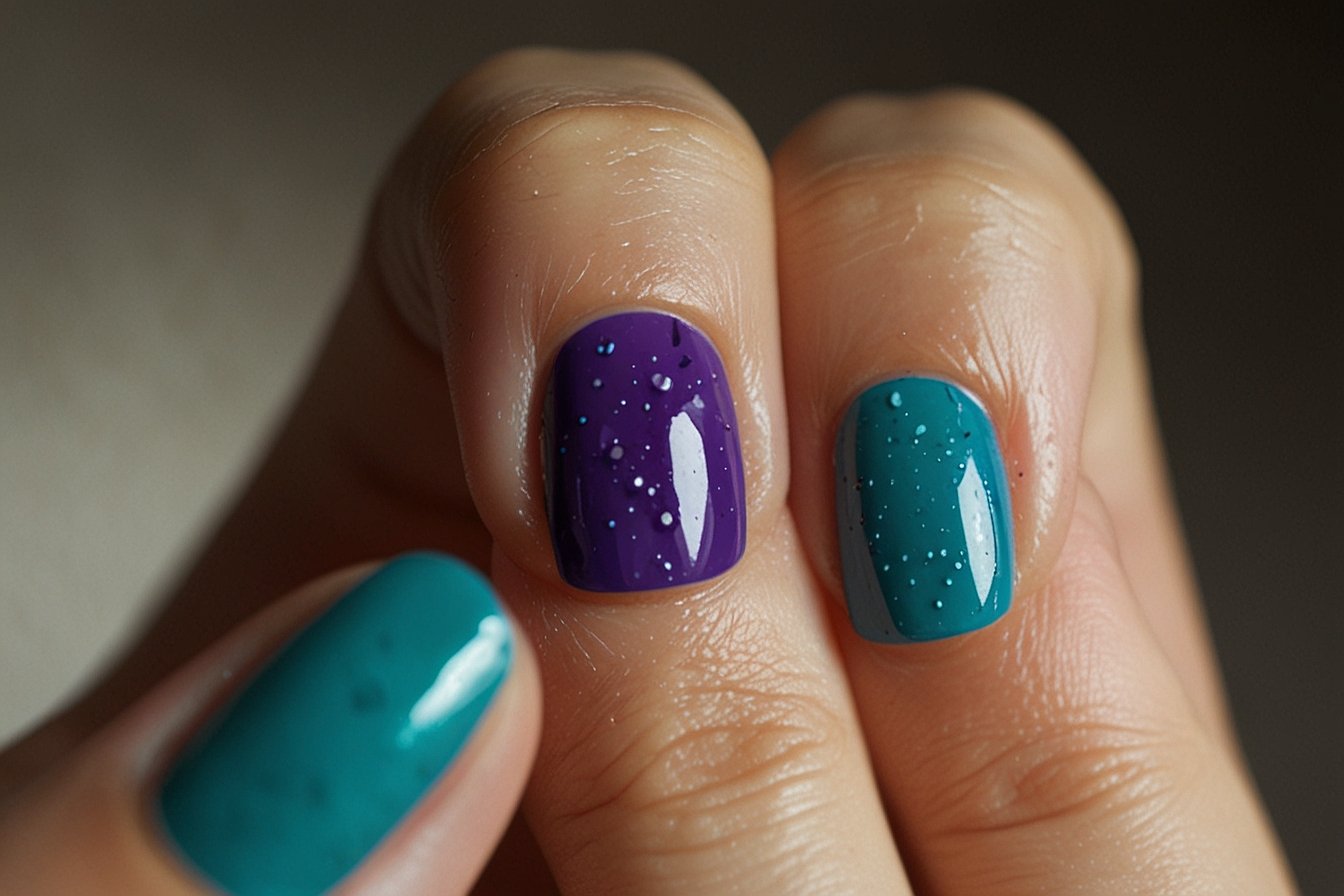
Key Takeaways on Removing Fingernail Polish Safely
- Research suggests that using household items like rubbing alcohol or hand sanitizer can effectively remove fingernail polish without traditional removers, though they may take longer than acetone-based options.
- For a quick fix, the fastest 2-minute method involves applying fresh nail polish over the old and wiping it off immediately, but it works best on non-gel polishes.
- Evidence leans toward gentle, natural alternatives like vinegar soaks or oil rubs to minimize drying and damage, especially for brittle nails.
- It seems likely that post-removal care, such as applying cuticle oil, is crucial to maintain nail health regardless of the method.
- Always prioritize moisturizing and avoid peeling polish, as this can lead to weakening or breakage.
Understanding Nail Health Basics Nails are made of keratin, and harsh chemicals can strip their natural oils, leading to brittleness. Opt for methods that include nourishing elements, like oils, to keep them strong. If your nails are already dry or thin, stick to milder options and consult a dermatologist for persistent issues. See more on nail care from the American Academy of Dermatology.
Quick Household Methods Overview Start with alcohol-based items for stubborn polish, or acidic mixes like vinegar for lighter colors. Test on one nail first to ensure no irritation.
Fastest 2-Minute Technique Apply a layer of clear or colored polish over the existing one, then swiftly wipe with a cotton pad before it dries. This softens and lifts the old layer in under two minutes for most regular polishes.
How Do You Remove Fingernail Polish Safely?
Ever stared at your chipped manicure, desperate to start fresh, only to realize you are out of nail polish remover? You are not alone in that frustrating moment. Many of us reach for quick fixes that end up leaving nails dry, brittle, or worse. The good news? You can learn how to remove fingernail polish using simple household items that protect your nail health. This guide walks you through safe, effective methods, from everyday staples to the fastest 2-minute trick for a clean finish. Whether you want to avoid harsh chemicals or just need a pinch-hit solution, these tips empower you to maintain beautiful, strong nails without the damage. Get ready to say goodbye to stubborn polish and hello to healthier hands.
Why Traditional Nail Polish Removers Can Harm Your Nails
Imagine soaking your nails in a strong solvent, only to notice they feel weaker afterward. That is often the reality with acetone-based removers. Acetone, a powerful chemical, dissolves polish fast but strips away natural oils from your nails and cuticles. Over time, this leads to dryness, peeling, and even breakage.
Non-acetone options are milder, using ingredients like ethyl acetate, but they can still irritate sensitive skin if overused. Dermatologists warn that repeated exposure weakens the nail matrix, the area where new cells grow. If you have thin or brittle nails, these removers might exacerbate issues like splitting.
The rise of non-toxic beauty trends highlights safer alternatives. In 2024, more brands focus on plant-based formulas, reflecting a shift toward eco-friendly self-care. By choosing household methods, you align with this movement, saving money and reducing chemical exposure. For more on nail health, check our guide on Nail Care Essentials.
Household Items That Can Remove Nail Polish Effectively
No need to rush to the store. Your kitchen or bathroom likely holds everything required for polish removal. These items act as natural solvents or abrasives, breaking down the polish without aggressive chemicals.
Alcohol-Based Household Products
Rubbing alcohol or isopropyl alcohol is a top choice for its solvent properties. It breaks down polish layers similar to acetone but is often gentler when diluted.
Mix equal parts rubbing alcohol and water in a bowl. Soak your nails for 5 to 10 minutes, then rub gently with a cotton pad. For faster results, apply directly to a pad and press on each nail for 30 seconds before wiping.
Pros: Readily available, effective on regular polish. Cons: Can cause dry skin, so limit to occasional use. Safety tip: Moisturize immediately after to restore hydration.
Hand sanitizer works in a pinch, thanks to its 60 percent alcohol content. Squirt a dime-sized amount onto each nail, let it sit for a minute, then scrub with a cloth. This method shines for travel or emergencies.
Perfume or body spray, with its alcohol base, can dissolve polish too. Spray onto a cotton ball and rub in circular motions. Opt for unscented varieties to avoid residue.
Acidic Mixtures from Your Kitchen
Vinegar and orange juice create an acidic duo that softens polish naturally. The citric acid in orange juice and the acetic acid in vinegar break down pigments without harshness.
Combine half a cup of white vinegar with the juice of one orange. Soak nails for 10 minutes, then wipe with a soft cloth. For added nourishment, mix in a teaspoon of olive oil.
Lemon slices offer a fresh twist. Rub a cut lemon directly on nails for 2 to 3 minutes, then rinse. The natural oils in lemon hydrate while the acid lifts polish. Ideal for light colors, but skip if you have cuts, as it might sting.
Pros: Inexpensive, eco-friendly. Cons: Takes longer for dark or glitter polishes. Tip: For brittle nails, follow with a nourishing serum to prevent dehydration.
Gentle Abrasives and Oils
Toothpaste, especially with baking soda, acts as a mild abrasive. Apply a pea-sized amount to each nail, scrub with an old toothbrush for 1 to 2 minutes, then rinse.
Enhance it by sprinkling baking soda on top for extra grit. This combo removes polish layers gradually, perfect for sensitive nails.
Oils like olive or coconut provide a soothing option. Soak nails in warm oil for 15 minutes, then use a wooden stick to gently push off softened polish. Oils nourish as they remove, making this great for dry nails.
Pros: Hydrates while cleaning. Cons: Messier, less effective on gel. Safety: Avoid metal tools to prevent scratches.
Step-by-Step Guide to Removing Nail Polish Without Damage
Ready to try? Follow this guide for any method, adapting to your chosen item.
- Gather supplies: Cotton pads, chosen household item, warm water, moisturizer.
- Prep your nails: File lightly if needed, but avoid over-filing to protect the surface.
- Apply the remover: Soak or rub as per the method.
- Remove gently: Use light pressure to wipe or scrub. If polish resists, soak longer.
- Clean up: Rinse with soap and water.
- Nourish: Apply cuticle oil or lotion.
For nail-type-specific advice: If you have strong nails, alcohol methods are fine. For thin ones, stick to oils or vinegars to avoid further weakening.
Common scenario: After a party, use hand sanitizer for quick touch-ups on chips.
The Fastest 2-Minute Method for a Clean Finish
Short on time? This trick, popular among stylists, takes under two minutes per hand.
Apply a fresh layer of clear or matching nail polish over the old one. Before it dries (about 10 seconds), wipe firmly with a cotton pad. The new polish softens the old, allowing it to slide off easily.
Why it works: Solvents in the new polish dissolve the base layers. Pro tip: Work one nail at a time to prevent drying.
Best for regular polish; gel requires more effort. If glitter is involved, combine with a quick alcohol rub for sparkle-free results.
In recent trends, this method gains traction in fast-beauty hacks on social media, emphasizing efficiency without tools.
Common Mistakes to Avoid When Removing Polish
Peeling polish off? Stop right there. It removes nail layers too, leading to white spots or thinning.
Another pitfall: Rubbing too hard. This irritates cuticles and causes redness. Instead, use gentle, downward motions.
Over-soaking in hot water can soften nails excessively, making them prone to bends. Keep water warm, not hot.
Ignoring post-care is a big no. Always moisturize to combat dryness. The “48-Hour Rule”: Wait two days before repolishing to let nails recover.
For dupes: Household methods cost pennies versus $5 removers. Calculate cost per use: A bottle of vinegar lasts months for multiple manicures.
Post-Removal Care for Healthy, Strong Nails
After removal, your nails deserve TLC. Massage in cuticle oil, like a blend of jojoba and vitamin E, to replenish moisture.
For ingredient breakdowns: Jojoba mimics skin’s natural oils, absorbing quickly without grease.
If nails feel weak, apply a strengthening treatment with keratin boosters. Trends show a boom in blue light-protecting nail serums, shielding against screen damage.
For different nail types: Oily nails benefit from lightweight lotions; dry ones need thick creams.
Real-world example: Busy moms swear by quick oil applications during downtime for salon-like results at home.
Internal link: Explore more in How to Care for Natural Nails.
Innovations and Trends in Nail Polish Removal
The beauty world evolves with sustainable options. Soy-based removers, though not strictly household, inspire DIYs using natural soy derivatives.
Recycled material tools, like biodegradable cotton pads, reduce waste. In 2025, expect more app-guided routines for personalized nail care.
Experts note the rise of “greenwashing” in products claiming natural status. Define it: Misleading eco-claims without backing. Stick to trusted sources like Healthline for verified advice.
Pro tip from stylists: Add essential oils to vinegar mixes for a spa scent, turning removal into self-care.
In conclusion, mastering how to remove fingernail polish without damage opens doors to effortless beauty routines. You have learned household heroes, the speedy 2-minute method, and care tips that keep nails resilient. Embrace these for savings, health, and style. Start small: Grab that vinegar bottle tonight, and watch your nails thank you with newfound strength.
You May Also Like: How to Do Braids in Your Own Hair: From Basic to French