
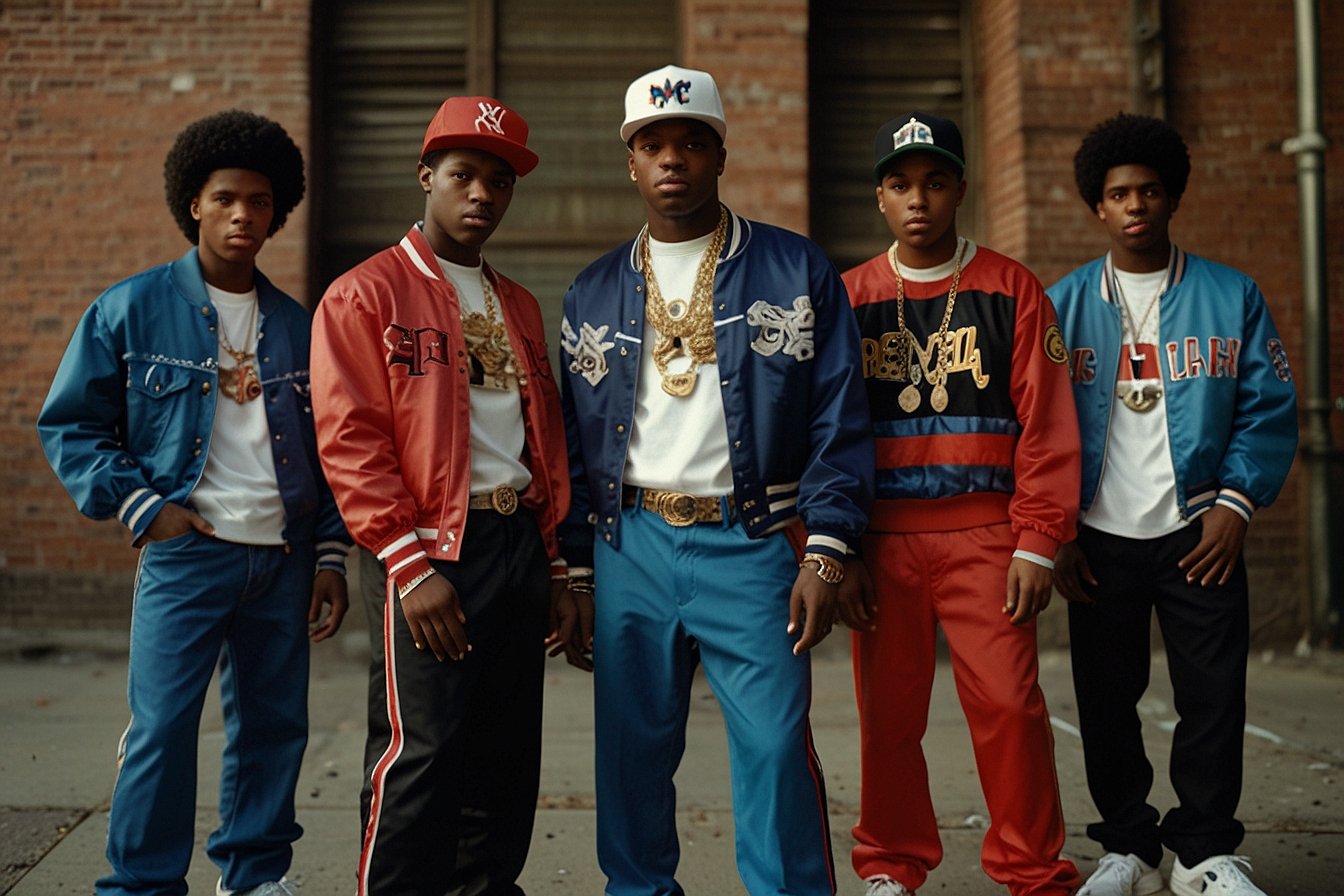
Do you ever feel like today’s streetwear lacks that raw, bold energy from the past? You’re not alone. Many people crave the unapologetic style that turned heads and told stories without saying a word. That’s where 80s hip hop fashion comes in, a movement born from the streets of New York and beyond, blending sportswear, luxury twists, and cultural pride into looks that screamed confidence.
This ultimate guide dives deep into 80s hip hop fashion, breaking down the trends, brands, and icons that shaped an era. Whether you’re nostalgic for Run-D.M.C.’s Adidas vibes or Dapper Dan’s custom flips, we’ll explore how these elements still influence modern wardrobes. From oversized tracksuits to gold chains, get ready to rediscover styles that empower and inspire. If you’re looking to add some retro flair to your closet, this is your go-to resource for timeless streetwear inspiration.
The Roots of 80s Hip Hop Fashion
Picture this: block parties in the Bronx, breakdancers spinning on cardboard, and DJs scratching records under streetlights. That’s the birthplace of 80s hip hop fashion, emerging in the late 1970s and exploding through the decade. It wasn’t just about clothes; it was a statement of identity, resilience, and creativity for urban youth facing tough times.
Hip hop culture, including rap music, graffiti, and breakdancing, fueled this style revolution. Artists and fans drew from African American heritage, mixing sportswear with bold accessories to create looks that stood out. Think bright colors inspired by graffiti art, or oversized fits that allowed free movement during dance battles. This era turned everyday wear into symbols of pride and rebellion.
What made 80s hip hop fashion so powerful? It democratized style, making high-end brands accessible through custom tweaks while celebrating street smarts. As MTV’s “Yo! MTV Raps” broadcast these looks globally, they influenced fashion worldwide, proving that the streets could dictate trends.
How Breakdancing Shaped the Looks
Breakdancing, or b-boying, demanded clothes that moved with you. Loose pants and sweatpants let dancers pop, lock, and spin without restriction. Windbreakers and nylon suits provided grip for floor work, while finger gloves and bandanas added flair.
Crews like the Rock Steady Crew dressed in matching outfits for unity, often customizing with graffiti prints or crew names. This practical yet stylish approach made 80s hip hop fashion functional for the culture’s physical demands. Ever tried a windmill in tight jeans? Exactly, that’s why oversized became essential.
Movies like “Breakin'” and “Beat Street” showcased these styles, inspiring kids everywhere to copy them. Today, when you see dancers in baggy joggers, remember: it started here.
Iconic Trends in 80s Hip Hop Fashion
80s hip hop fashion thrived on boldness and self-expression. Trends weren’t subtle, they were loud, layered, and loaded with meaning. From head to toe, every piece told a story of status, creativity, or cultural roots.
Short on ideas for your next outfit? Imagine pairing a vibrant tracksuit with chunky jewelry, that’s the essence. These trends still pop up in modern streetwear, proving their staying power.
Sportswear and Tracksuits
Tracksuits ruled the streets, thanks to their comfort and cool factor. Brightly colored with bold stripes, they became a uniform for artists like Run-D.M.C. Picture smooth materials in reds, blues, and blacks, perfect for stage energy or casual hangs.
Why did they catch on? Breakdancers needed flexibility, and tracksuits delivered. Add a zipper jacket over a graphic tee, and you had an instant look. Today, brands reissue these classics, letting you channel that vibe effortlessly.
The Sneaker Revolution
No 80s hip hop fashion guide skips sneakers. They were more than shoes, they were status symbols. Clean, bright pairs like Adidas Superstars (shell-toes) or Puma Suedes showed respect and style.
Icons wore them laceless or with fat laces for extra flair. Collecting kicks started here, with fresh pairs as trophies. Pair them with jeans or tracksuits for that authentic feel. Curious about care? Check out our guide on How to Clean Vintage Sneakers.
Bold Jewelry and Chains
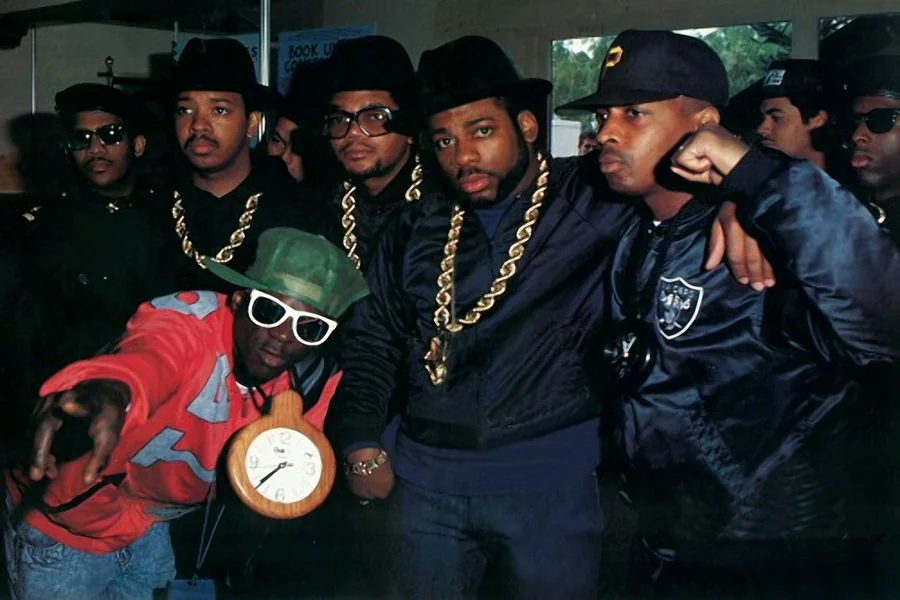
Gold chains screamed success and confidence. Heavy, rope-style necklaces, often layered, became must-haves. Bigger meant better, symbolizing wealth and African heritage.
Rings, bracelets, and nameplates added to the mix. For women, oversized door-knocker earrings brought femininity and edge. Slick Rick’s eye patch and chains? Iconic. These pieces turned simple outfits into statements.
Hats and Eyewear Essentials
Bucket hats from Kangol topped many looks, adding a laid-back vibe. Cazal glasses, with their large frames, hid eyes while boosting mystery.
Sunglasses, often mirrored, completed the ensemble. LL Cool J made Kangols famous, wearing them backward or tilted. These accessories were affordable ways to personalize style.
Oversized Silhouettes and Denim
Baggy pants, oversized shirts, and bomber jackets defined the silhouette. Denim jackets with patches or cuffs added texture. Why oversized? It allowed movement and layered looks.
Afrocentric prints in Pan-African colors (red, black, green) infused cultural pride. Patches with slogans or fists symbolized empowerment. This trend lives on in today’s baggy jeans and hoodies.
Source: amourvert.com
Legendary Brands That Defined 80s Hip Hop
Brands weren’t just labels in 80s hip hop fashion, they were partners in the culture. Sportswear giants met luxury remixes, creating hybrids that felt fresh and aspirational.
Struggling to find authentic pieces? Vintage shops and reissues make it easier than ever. Let’s break down the key players.
Adidas: The Streetwear King
Adidas dominated with Superstars and tracksuits. Run-D.M.C.’s “My Adidas” song sealed the deal, leading to the first hip hop endorsement. Shell-toes without laces? Pure innovation.
Their three-stripe designs became synonymous with hip hop. Today, collaborations keep the legacy alive.
Puma and Other Sportswear Giants
Puma’s Suede sneakers offered grip for breakers, while tracksuits matched Adidas in popularity. Nike’s Air Force 1s gained traction late in the decade, especially in white.
Reebok Freestyles appealed to women with high-top designs. These brands focused on durability and style, perfect for the active hip hop lifestyle.
Dapper Dan’s Luxury Flips
Dapper Dan revolutionized by screening luxury logos (Gucci, Louis Vuitton, Fendi) onto streetwear. Custom mink coats and tracksuits for stars like Eric B. & Rakim blended high fashion with Harlem flair.
His work pioneered logomania, turning logos into art. Gucci’s recent collab with him shows the lasting impact.
Kangol and Accessory Brands
Kangol bucket hats became staples, thanks to LL Cool J. Clarks shoes and Le Coq Sportif added variety.
These brands were accessible, letting fans emulate icons without breaking the bank. Mix a Kangol with chains for instant retro cool.
Hip Hop Icons and Their Style Influence
Icons didn’t follow trends, they set them. Their looks reflected personality, from tough to flashy. Who inspired your favorite modern artists? Likely one of these legends.
Run-D.M.C.: Pioneers of Adidas
Run-D.M.C. embodied 80s hip hop fashion with black fedoras, Adidas tracksuits, and thick gold chains. Their laceless Superstars and Raiders jackets screamed Queens pride.
They signed with Adidas, proving hip hop’s commercial power. Imagine performing “Walk This Way” in those fits, pure energy.
LL Cool J: The Kangol Kid
LL Cool J mixed b-boy style with charm: Kangol hats, tracksuits, and gold jewelry. His red Puma suit on album covers? Bold.
He popularized bucket hats and athletic wear as everyday fashion. For styling tips, see Streetwear Essentials Guide.
Female Icons: Salt-N-Pepa and More
Women brought fierce femininity to 80s hip hop fashion. Salt-N-Pepa rocked asymmetric hair, leather jackets, and doorknocker earrings. Their push for empowerment shone through bold colors and accessories.
Roxanne Shanté and MC Lyte added braids and hoops, blending toughness with grace. Queen Latifah’s Afrocentric prints celebrated heritage. These women proved hip hop style had no gender limits.
Other Legends: Slick Rick and Big Daddy Kane
Slick Rick’s eyepatch, suits, and jewelry told stories. Big Daddy Kane mixed Gucci with Adidas, adding sophistication.
Beastie Boys brought punk influences with hoodies and sneakers. Their diverse styles expanded hip hop’s fashion boundaries.
80s Hip Hop Fashion for Women: Bold and Unapologetic
Women’s 80s hip hop fashion balanced bombast with beauty. Big hoops and braids asserted identity amid male-dominated scenes.
Salt-N-Pepa’s leather and spandex mixes were empowering. MC Lyte’s denim and chains kept it real. These looks encouraged self-expression.
Modern women draw from this: pair hoops with tracksuits for edge. For skin-type tips? Not directly applicable, but natural braids suit all textures.
Key Accessories for Women
Doorknocker earrings and bamboo hoops symbolized defiance. Braids in colors or beads added creativity.
These items remain staples, challenging norms. Try them with a graphic tee for everyday flair.
The Lasting Legacy of 80s Hip Hop Fashion
80s hip hop fashion birthed modern streetwear. Athleisure, logomania, and sneaker culture? All trace back here.
Designers like Virgil Abloh referenced it in Off-White. Reissues of Superstars sell out, proving timeless appeal.
Hip hop’s fusion of luxury and street influences high fashion today. Dapper Dan’s Gucci partnership? A full-circle moment.
A Step-by-Step Guide to Recreating 80s Hip Hop Looks Today
Ready to try 80s hip hop fashion? Start simple. Here’s a 5-step guide to build your vibe without overhauling your wardrobe.
- Choose Your Base: Grab an oversized tracksuit or baggy jeans. Adidas or Puma reissues work great for authenticity.
- Layer with Graphics: Add a tee with bold prints or patches. Afrocentric colors add depth.
- Accessorize Boldly: Stack gold chains, add a bucket hat, and doorknockers if it fits your style.
- Footwear First: Pick clean sneakers like Superstars. Keep them fresh for that 80s respect.
- Mix Modern: Pair with contemporary pieces, like a crop top over tracksuits for women. Avoid overdoing it, balance is key.
Common mistake? Going too matchy. Mix brands for that authentic street feel. Tip: Use the 48-hour rule before buying, to ensure it’s a love, not an impulse.
For sustainable options, look for eco-friendly tracksuits from brands like Amour Vert. Sustainable Streetwear Tips.
| Trend | Key Items | Modern Twist | Icon Example |
|---|---|---|---|
| Tracksuits | Adidas stripes, bright colors | Pair with heels | Run-D.M.C. |
| Sneakers | Superstars, Suedes | With suits | LL Cool J |
| Jewelry | Gold chains, hoops | Layer minimally | Salt-N-Pepa |
| Hats | Kangol buckets | Backward style | Beastie Boys |
| Denim | Oversized jackets | Distressed fits | MC Lyte |
This table shows how to adapt trends easily.
In beauty, braids and Jheri curls complemented looks. For curly hair, a simple routine: wash, condition, and define with gel for waves.
Recent innovations? Recycled fabrics in reissued sneakers reduce environmental impact.
Conclusion
80s hip hop fashion offered freedom through bold trends, iconic brands, and empowering icons, creating lasting confidence and cultural pride. From tracksuits to gold chains, these elements save time on decisions while boosting style versatility.
Start small: pick one trend, like a bucket hat, and build from there. You’ll feel the energy shift. Dive in, and own your look like the legends did.
You May Also Like: The Ultimate Y2K Belt Guide: 10 Must-Have Styles & How to Wear Them in 2026