
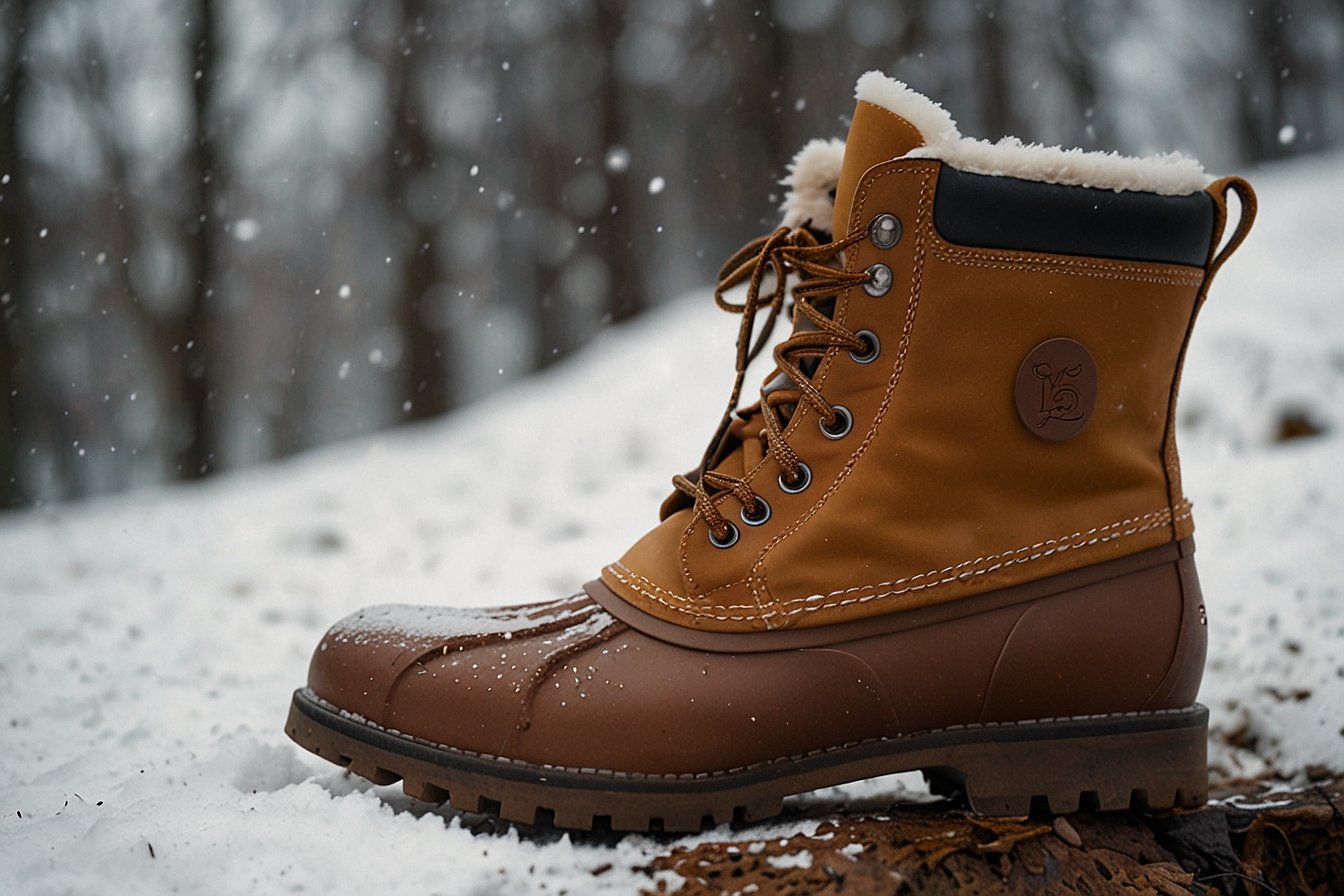
Picture this: you step out into a crisp, snowy morning, excited for a quick commute or a weekend hike, only to feel that dreaded chill seeping into your toes or your feet sliding on hidden ice. It is a common frustration for anyone braving cold climates, where soggy socks or unstable steps can turn a simple outing into misery. Boots in the winter often force a tough choice between looking sharp and staying protected, but it does not have to be that way. This guide dives into the essentials of selecting footwear that delivers both aesthetic appeal and reliable performance, whether you are an outdoor enthusiast tackling trails, an urban commuter dodging slushy sidewalks, or a style-conscious individual seeking versatile options. We will explore technical features like insulation and traction, highlight top styles for various conditions, and share practical tips to help you find the perfect pair that keeps you warm, dry, and confident all season long.
The Performance vs. Fashion Dilemma in Boots in the Winter
Boots in the winter come in endless varieties, but the core tension lies between those designed for rugged utility and ones prioritizing sleek looks. Performance boots, often bulkier with heavy-duty materials, excel in harsh conditions like deep snow or freezing temperatures. They focus on keeping feet protected from the elements, which is crucial for outdoor enthusiasts or those in snowy regions. Fashion-forward options, on the other hand, might feature slim silhouettes, leather finishes, or trendy details, making them ideal for city streets or casual outings. The challenge is finding harmony: a boot that does not sacrifice style for function, or vice versa.
Imagine rushing to a meeting in stylish ankle boots, only to slip on black ice outside. Or picture enduring a mountain getaway in clunky, unflattering gear that clashes with your outfit. Research suggests that many people prioritize appearance initially, but regret it when performance falls short. According to experts from sites like REI and Wirecutter, the best boots in the winter blend both worlds, using innovative materials to maintain a polished vibe while delivering essential protection. For instance, brands like Sorel and UGG have mastered this by incorporating waterproof elements into elegant designs.
Why Balance Matters for Your Lifestyle
If you are an urban commuter, you might lean toward lightweight, non-bulky styles that pair well with jeans or coats. Outdoor enthusiasts, however, need durable options for hiking or extended exposure. Style-conscious individuals in cold climates often seek versatile boots that transition from workday to weekend. The key is assessing your needs: how often will you face snow, ice, or salt-covered paths? Prioritizing features like weather resistance ensures longevity, while aesthetic choices boost confidence. As one tester noted in reviews, “A great boot feels like an extension of your wardrobe, not a burden.”
Key Features That Make Boots in the Winter Truly Effective
When shopping for boots in the winter, focus on technical specs that go beyond looks. These elements determine how well your footwear handles cold, wet, and slippery conditions. Let us break them down.
Insulation for Warmth
Insulation is the foundation of any effective winter boot, trapping heat to prevent cold toes. Common materials include Thinsulate, a synthetic fiber that provides warmth without bulk, often rated for temperatures down to -40°F. Natural options like shearling or wool linings offer cozy, moisture-wicking comfort. For extreme cold, look for boots with 200-400 grams of insulation, as seen in models like the Baffin Impact or Sorel Caribou. Testers in subzero conditions praised these for keeping feet toasty during long stands or walks. Without proper insulation, even fashionable boots can lead to discomfort, turning a snowy adventure into a frozen ordeal.
Traction and Lug Soles for Safety
Slippery surfaces are a winter hazard, so traction is non-negotiable. Lug soles, with deep, patterned grooves, grip snow and ice effectively. Rubber compounds like Vibram Arctic Grip stay flexible in cold, reducing slips. Non-slip boots in the winter, such as the Muck Boot Arctic Ice Mid, excel on smooth ice thanks to specialized outsoles. Reviews from Outdoor Gear Lab highlight how these prevent falls, especially for commuters or hikers. Pair them with add-ons like Yaktrax for extra assurance on black ice. Poor traction can ruin a day, but the right sole keeps you steady and confident.
Waterproof Membranes and Weather Resistance
Wet feet are miserable, so a waterproof membrane like Gore-Tex is essential. It blocks water while allowing breathability, preventing sweat buildup. Boots with sealed seams and rubber lowers, such as the Kamik Nation Plus, handle slush and puddles well. Weather resistance extends to materials that repel salt and stains, protecting against urban grime. Wirecutter tests confirm these features keep interiors dry in wetter weather, ideal for variable climates. Without them, moisture seeps in, leading to cold, clammy discomfort.
Breathability and Moisture-Wicking
While warmth is key, breathability prevents overheating. Materials like mesh panels or moisture-wicking linings pull sweat away, maintaining comfort. This is vital for active users, as damp feet chill quickly. Boots like the Oboz Bridger combine insulation with ventilation for all-day wear.
Thermal Lining and Shearling for Extra Comfort
Thermal lining adds a layer of heat retention, often paired with shearling for plush feel. These enhance luxury without compromising performance, as in UGG’s Adirondack III.
Top Styles for Various Winter Conditions
Boots in the winter vary by need, from casual strolls to rugged tasks. Here is a guide to top-performing styles, drawing from 2026 reviews and tests.
Best Women’s Boots in the Winter
For women, the Sorel Joan of Arctic stands out as a versatile pick, with 6mm felt liners rated to -25°F, waterproof leather, and good traction. Testers loved its balance of warmth and style for commutes or hikes. The Baffin Chloe offers superior insulation and weather protection, ideal for extreme cold. For value, the Columbia Minx Shorty IV provides cozy fit and slip resistance at a lower price.
| Boot Model | Warmth Rating | Key Features | Best For |
|---|---|---|---|
| Sorel Joan of Arctic | -25°F | Waterproof, felt liner, traction | All-around use |
| Baffin Chloe | High (no specific) | Warmth, durability, ice grip | Extreme cold |
| Columbia Minx Shorty IV | Moderate | Affordable, comfortable, stable | Budget commuters |
Stylish Leather Boots in the Winter
Leather adds elegance, but choose treated options for durability. The UGG Adirondack XXV combines waterproof leather with wool lining, rated to -32°C, and nubby lugs for grip. It is flexible for city walking yet warm. For men, the Oboz Bridger 10-Inch offers nubuck leather with 400g insulation, blending style and ruggedness.
Lightweight Hiking Boots in the Winter
For trails, the Merrell Moab Speed 2 Thermo is lightweight with waterproofing and insulation, excelling in snow hikes. The Salomon X Ultra 5 GTX weighs under average yet grips well on ice, per lab tests.
Warmest Snow Boots in the Winter
The Baffin Impact tops lists for -100°F capability with multi-layer liners. Moonboots provide foam insulation for stationary warmth, while the Sorel Caribou handles -40°F with removable felt.
Durable Work Boots in the Winter
Work demands toughness: The North Face Chilkat V 400 offers 400g insulation, waterproofing, and traction for chores. Muck Boot Arctic Sport Mid is slip-on, durable, and grippy on ice.
Non-Slip Boots in the Winter
For ice, boots with Arctic Grip soles like the Muck Boot Arctic Ice shine. Add cleats for extra safety.
Incorporate snow gaiters for deep snow to prevent entry.
How to Choose Boots in the Winter That Suit Your Lifestyle
Start by evaluating conditions: snowy hikes need high shafts and insulation; urban commutes favor lightweight, stylish pairs. Fit is crucial, try with thick socks for room. Budget: Quality starts at $150-250. Common mistakes include ignoring traction or buying too tightly. Pro tip: Waterproof annually to combat salt damage.
For beauty ties, consider skin-type advice: Dry feet benefit from shearling’s moisture control.
Recent trends include recycled materials in brands like The North Face.
Maintaining Your Boots in the Winter: Cleaning and Preventing Salt Damage
Salt wreaks havoc, causing stains and cracks. Clean with a vinegar-water mix (1:3 ratio): wipe stains, dry naturally, then condition leather with products like Bick 4. For suede, use saddle soap. Brush off loose salt daily. Store in cool, dry spots. This extends life, avoiding costly replacements.
Conclusion: Boots in the winter can elevate your style by merging performance with fashion. Key takeaways include prioritizing insulation, traction, and waterproofing for safety and comfort, while selecting styles that fit your activities. Whether facing blizzards or brisk walks, the right pair empowers you. Assess your closet today, invest in a versatile option, and step into winter with ease.
You May Also Like: Best Tubing Mascara: Smudge-Free Lash Guide