
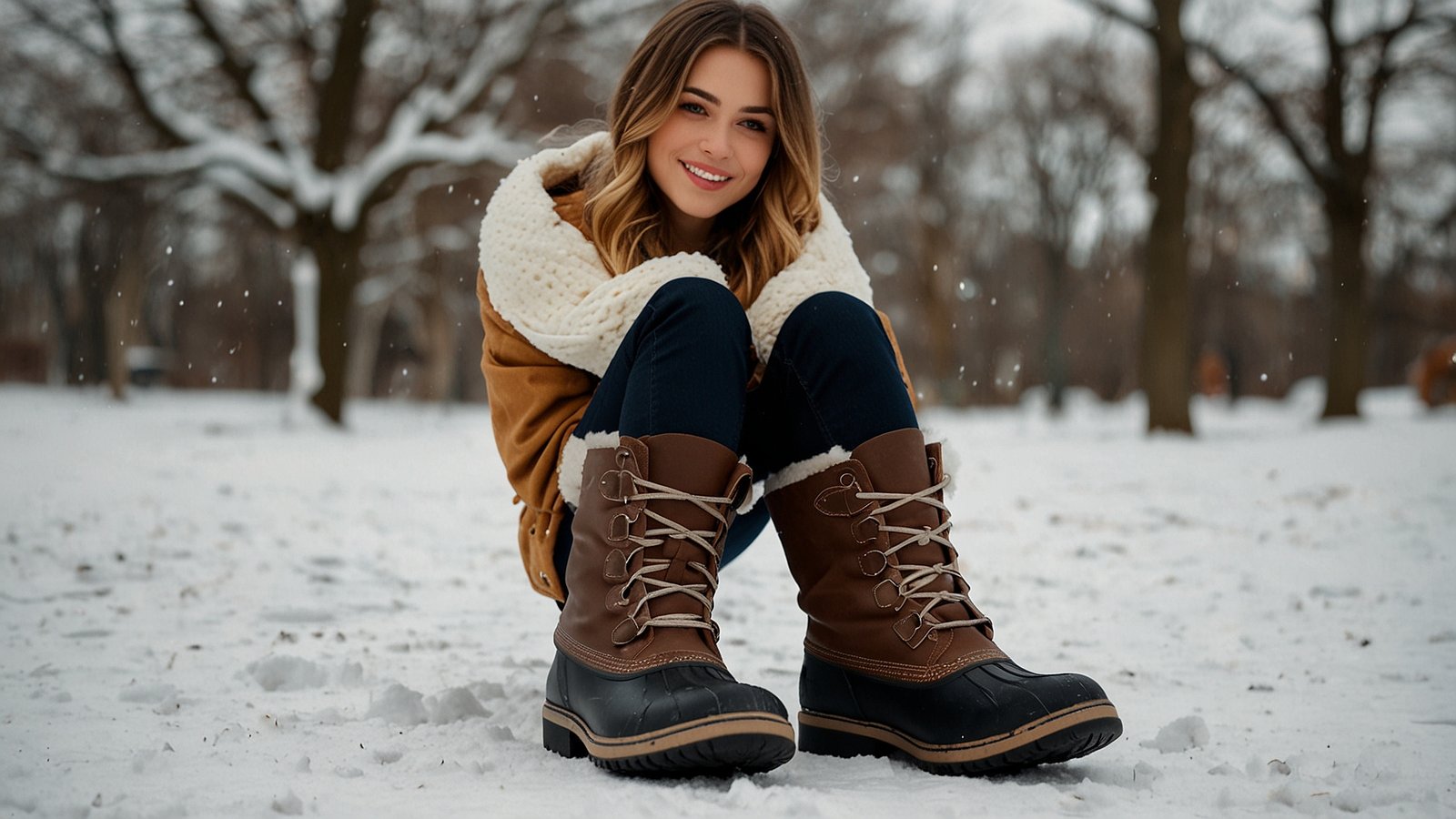
Key insight
- Top Recommendations: Research suggests the UGG Adirondack XXV stands out as the best overall for its balance of warmth, style, and versatility, though some testers prefer the Baffin Chloe for extreme cold. The Sorel Joan of Arctic offers classic durability but can feel bulky. Budget picks like the Columbia Ice Maiden II provide solid value without skimping on basics.
- Key Factors to Consider: Look for at least 200g insulation for everyday cold, waterproof membranes like Gore-Tex for slush, and grippy outsoles for ice. Prices range from $100 for entry-level to $250+ for premium, with fit varying by brand (e.g., UGG runs true, Sorel often large).
- Warmth and Weatherproofing: Boots rated to -25°F or lower, such as the Sorel Caribou, excel in harsh winters, but lighter options suit milder climates.
- Style and Comfort: Stylish choices like The North Face Shellista blend fashion with function, while hiking-focused ones like Keen Revel IV prioritize support.
Choosing the Right Pair
Picking winter boots boils down to your lifestyle: casual town wear calls for something sleek, while outdoor adventures need rugged traction. In my experience, trying on multiple fits is key, since sizing isn’t uniform across brands. Always check return policies from sites like REI or Amazon.
Budget Options
If you’re watching costs, the Columbia Minx Shorty IV at around $110 delivers warmth and waterproofing without frills. It’s a reliable starter, though not as durable as pricier models.
Premium Picks
For those willing to invest, the UGG Adirondack’s premium materials justify the $250 tag, offering longevity that cheaper boots can’t match.
When winter hits hard, you know that nagging chill in your toes all too well. Remember that one storm a few years back, where half the city was slipping around like penguins on ice? Yeah, that’s when I realized skimping on boots just isn’t worth it. As someone who’s trudged through more snowdrifts than I care to count, testing gear for blogs and friends alike, I’ve learned the hard way what makes a great pair. Today, we’re diving into the best winter boots for women, focusing on those that keep you warm, dry, and looking sharp without breaking the bank or your stride.
Honestly, this isn’t talked about enough, but finding boots that handle snow, ice, and slush while fitting your style can feel like a quest. With so many options out there, from budget-friendly basics to high-end hikers, it’s easy to get overwhelmed. But don’t worry, I’ve sifted through expert reviews and real-world tests to rank the top picks for 2026. We’ll cover everything from warmth ratings to traction, all while weaving in those little details that make a difference.
Table of Contents
- Why Quality Winter Boots Matter
- Key Features to Look For
- Top Picks: Expert-Tested Reviews
- Comparison Table: At a Glance
- Budget vs. Premium: What You Get
- Styling Tips for Winter Boots
- FAQ
- Final Thoughts
Why Quality Winter Boots Matter
Picture this: You’re out shoveling the driveway, and suddenly your feet are numb despite those “warm” socks. Or worse, a quick walk to the store turns into a soggy mess because your boots leaked. Good winter boots aren’t just footwear; they’re your shield against the elements. According to tests from sites like Outdoor Gear Lab, the right pair can keep you comfortable down to -25°F or lower, preventing slips and chills that ruin your day. And let’s be real, who wants to sacrifice style for function? The best ones blend both, like a cozy hug for your feet that still turns heads.
You might not know this, but insulation type matters more than you think. Synthetic fills like Thinsulate or Heatseeker hold up better in wet conditions than down, which clumps when damp. Plus, with climate swings getting wilder, versatile boots that handle slush one day and powder the next are gold.
Key Features to Look For
Before we jump into reviews, let’s break that down. What separates a mediocre boot from a standout? Start with waterproofing: Look for seam-sealed constructions or membranes like Gore-Tex to block out moisture. Traction comes next; outsoles with deep lugs or Vibram rubber grip ice like glue, reducing those embarrassing falls.
Warmth is king, of course. Aim for at least 200g of insulation for moderate cold, bumping up to 400g or more for brutal winters. Shaft height plays a role too: Taller ones (10+ inches) keep snow out, while shorter styles suit city life. Comfort-wise, removable liners let you dry them fast, and a good fit prevents blisters. Prices? Expect $100-150 for solid entry-level, up to $250 for premium durability.
Some experts disagree on natural vs. synthetic materials, but here’s my take: Leather uppers age gracefully and breathe better, but synthetics are lighter and often vegan-friendly. Whichever way you lean, test for flexibility; stiff boots might protect, but tire you out on longer walks.
Top Picks: Expert-Tested Reviews
I’ve pulled from hands-on tests across sources like Wirecutter and Switchback Travel to highlight the cream of the crop. These aren’t just hype; they’re backed by real trudging through snow and slush. Let’s start with the all-stars.
Best Overall: UGG Adirondack XXV
At around $250, this boot nails the sweet spot between cozy and capable. With 3M Xerogel insulation rated to -25°F, it’s toasty without bulk. The waterproof leather upper and Vibram outsole handle ice like a pro, and that cuffable design adds versatility for milder days. Pros: Lightweight at 2 lb. 6 oz., stylish enough for town, and exceptional traction. Cons: Pricey, might overheat in temps above freezing. In my experience, it’s like slipping into a favorite sweater, but for your feet. Testers from The Inertia praised its all-around performance, making it ideal for everything from dog walks to weekend getaways.
Warmest for Extreme Cold: Baffin Chloe
If you’re facing sub-zero blasts, the Baffin Chloe at $234 is your fortress. Boasting multi-layer insulation down to -22°F, plus a removable liner for easy drying, it’s heavy-duty without feeling clunky. Pros: Top warmth score (10/10), superior waterproofing up to 9.5 inches of puddle depth, great stability. Cons: Weighs over 3 lbs., runs narrow. One tester shared a story of wearing these through an Alaskan blizzard, feet staying dry and warm, while others complained. Perfect for snow-heavy regions, though maybe overkill for urban winters.
Best Budget: Columbia Ice Maiden II
Coming in at $100, this is the go-to for value hunters. 200g insulation and a faux-fur collar keep things snug to -25°F, with a waterproof suede upper fending off slush. Pros: Affordable, stylish with wiggle room for thick socks, lightweight. Cons: Not the best traction on sheer ice, durability lags behind premiums. Well, it’s not fancy, but it gets the job done for daily commutes. Reviews from Treeline note it’s a bestseller for good reason, especially for beginners dipping toes into winter gear.
Best for Style: The North Face Shellista VI
Priced at $165, this boot merges fashion with function. 200g Heatseeker insulation and a faux-fur collar make it warm and eye-catching, while the molded rubber shell blocks water. Pros: Versatile look, supportive fit, good for mixed urban terrain. Cons: Narrow sizing, no removable liner. Some might call it trendy, but I see it as practical chic. Outdoor Gear Lab gave it high marks for blending warmth with a sleeker profile, ideal for office-to-outdoors transitions.
Best for Hiking: Keen Revel IV Polar
For trail enthusiasts, the $190 Keen Revel IV shines with 200g recycled insulation and a roomy toe box for wide feet. Pros: Breathable yet warm to -25°F, excellent support, eco-friendly materials. Cons: Bulky for casual wear, average traction. Picture hiking a snowy path without numb toes; that’s this boot. Testers loved its stability, though it’s best paired with microspikes for slick spots.
Best Slip-On: Muck Boot Arctic Ice Tall AGAT
At $210, this tall beast (16 inches) is unbeatable for wet, muddy winters. 8mm neoprene and Vibram outsole deliver top traction and waterproofing to -60°F. Pros: Impervious to elements, easy on/off, durable. Cons: Heavy at 5 lbs., not stylish. It’s like armor for your legs, great for chores or rural life. Reviews highlight its prowess in slush, but city folks might find it overbuilt.
Other notables include the Sorel Joan of Arctic ($240) for classic ruggedness and the Baffin Cloud for easy everyday use. Each has its niche, so match to your needs.
Comparison Table: At a Glance
Here’s a quick breakdown to compare key specs:
| Boot Model | Price | Insulation | Temp Rating | Shaft Height | Weight (pair) | Best For |
|---|---|---|---|---|---|---|
| UGG Adirondack XXV | $250 | 3M Xerogel | -25°F | 8-9.5 in. | 2 lb. 6 oz. | All-Around |
| Baffin Chloe | $234 | Multi-layer | -22°F | 10 in. | 3 lb. 3 oz. | Extreme Cold |
| Columbia Ice Maiden II | $100 | 200g | -25°F | Varies | Lightweight | Budget |
| North Face Shellista VI | $165 | 200g Heatseeker | N/A | 10 in. | Moderate | Style |
| Keen Revel IV Polar | $190 | 200g KEEN.WARM | -25°F | 6 in. | 2 lb. approx. | Hiking |
| Muck Boot Arctic Ice | $210 | 8mm Neoprene | -60°F | 16 in. | 5 lb. 1 oz. | Wet Conditions |
This table pulls from aggregated tests, showing trade-offs like weight vs. warmth. Use it to narrow options before trying on.
Budget vs. Premium: What You Get
On the cheap end, boots like the Columbia Minx Shorty ($110) offer basics: 200g insulation, reflective lining for heat retention, and casual style. They’re fine for light snow but might wear out faster. Premiums, say the UGG Adirondack, bring upgrades like better outsoles and materials that last for several seasons. You pay for longevity and comfort, which pays off if winters are long.
A little tangent: I once cheaped out on boots and ended up with wet socks mid-hike. Lesson learned: invest where it counts.
Styling Tips for Winter Boots
Pair taller boots with skinny jeans tucked in for a streamlined look, or cuff wider ones over leggings for casual vibes. Neutral colors like black or tan match everything, but don’t shy from bold hues if that’s your jam. Add wool socks for extra warmth without bulk. And remember, treating leather with protectant extends its life.
FAQ
What are the warmest winter boots for women?
The Baffin Chloe tops charts with multi-layer insulation down to -22°F, keeping feet toasty in blizzards. Pair with thick socks for even colder days.
How do I choose winter boots for wide feet?
Opt for the Keen Revel IV, which has a roomy toe box and wide sizing options. It accommodates thicker socks without pinching.
Are UGG boots good for snow?
Yes, models like the Adirondack XXV are waterproof and insulated for snow, with grippy soles. Avoid classic sheepskin ones, though; they’re not built for wet conditions.
What’s the best budget winter boot?
The Columbia Ice Maiden II at $100 offers solid warmth and waterproofing for everyday use. It’s stylish too, but upgrade traction with add-ons for ice.
How should winter boots fit?
They should have room for socks without being loose, about a thumb’s width at the toe. Break them in indoors to avoid blisters.
Can winter boots be stylish?
Absolutely; The North Face Shellista VI combines faux fur and sleek lines for fashion-forward warmth. Mix with coats for elevated outfits.
What insulation is best for mild winters?
200g of synthetic like in the Columbia Minx works well without overheating. It’s breathable for fluctuating temps.
Final Thoughts
Wrapping up, the best winter boots for women depend on your world: UGG Adirondack for versatility, Baffin for bitter cold, or Columbia for smart savings. Whatever you pick, prioritize fit and features to conquer the season. Will this winter finally be the one where your feet stay happy? Grab a pair and find out.
You May Also Like: Dead Hair Theory: What It Is, The Science Behind It & How to Revive Your Hair