
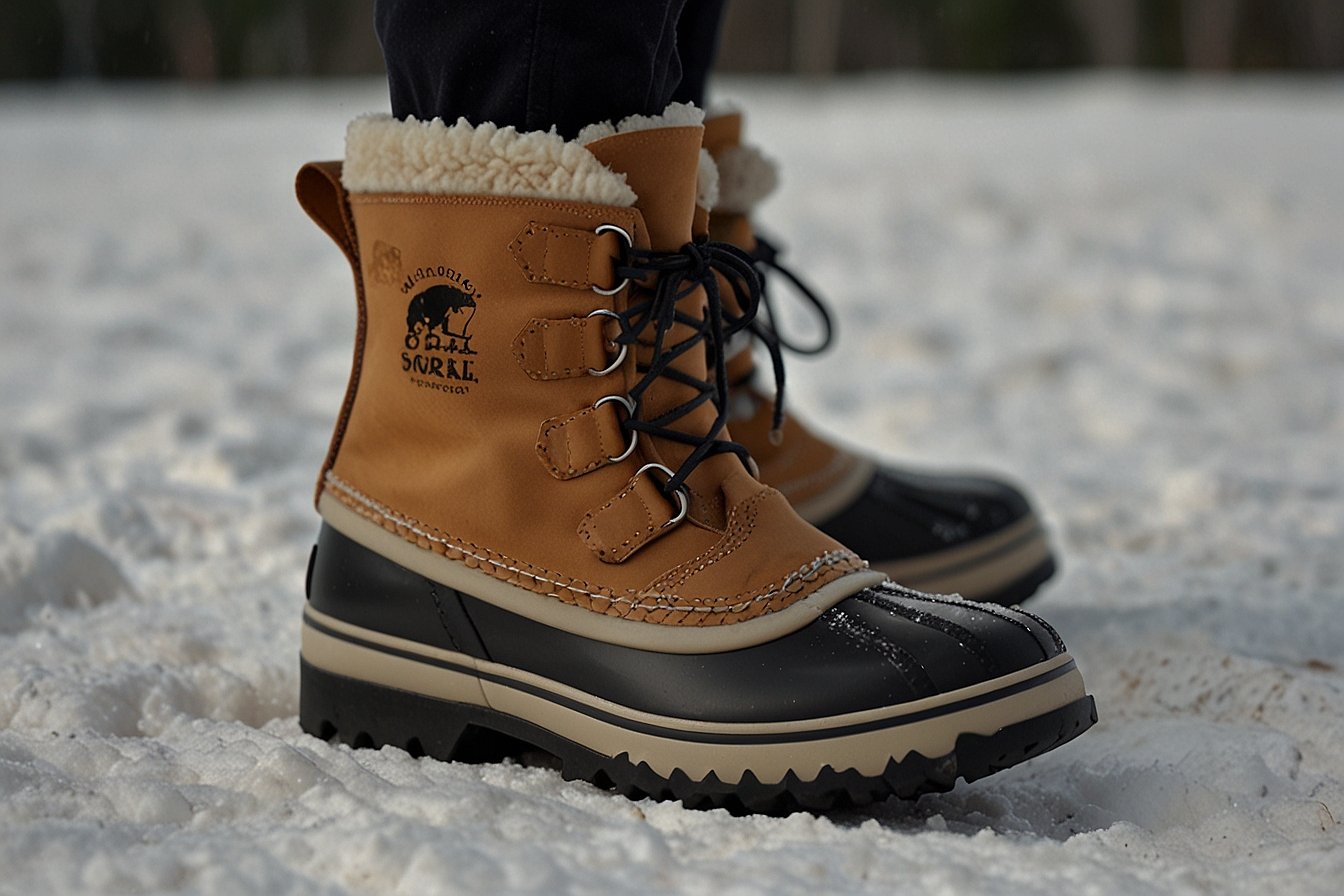
Have you ever stepped out into a snowy morning, only to feel that bone-chilling cold seep through your shoes and ruin your day? If you’re tired of soggy socks and numb toes, you’re not alone. As someone who’s trudged through blizzards and slushy commutes, I get the frustration of finding footwear that actually delivers on warmth and durability without looking like a bulky afterthought. That’s where Sorel winter boots come in: a blend of rugged performance and everyday appeal that’s been trusted for decades. In this comprehensive guide, we’ll dive deep into what makes these boots stand out, from their technical specs like seam-sealed construction and traction outsoles to how they fit into your lifestyle, whether you’re an outdoor enthusiast hitting the trails or a city dweller navigating icy sidewalks. By the end, you’ll know exactly which model suits your weather needs and why they might just be the upgrade your winter wardrobe deserves.
What Sets Sorel Winter Boots Apart?
Sorel has built a reputation since the 1960s for crafting boots that tackle Canada’s harsh winters, and that legacy shines through in their current lineup. These aren’t just any cold-weather footwear: they’re engineered with a focus on protection, comfort, and versatility. Imagine slipping into a pair that feels like a cozy hug for your feet while standing up to whatever Mother Nature throws your way.
Key Features and Technologies
At the heart of Sorel’s design is its commitment to waterproofing and insulation. Most models feature waterproof leather uppers combined with vulcanized rubber shells, creating a barrier that keeps moisture out even in heavy slush or rain. Take the seam-sealed construction, for example: it prevents leaks at the stitches, so you can confidently splash through puddles without worry.
Insulation is another standout. Many boots incorporate Thinsulate insulation, a lightweight material that traps heat without adding bulk. For instance, the Sorel Caribou uses 9mm recycled felt liners rated for extreme cold, while lighter options like the Explorer series opt for 200g insulation for milder days. And don’t overlook the removable felt liners: they allow for easy drying and customization with thicker socks on brutal days.
Traction is crucial, too. Sorel’s traction outsoles often include multidirectional lugs for grip on ice and snow, drawing from their heritage in rugged environments. Add in moisture-wicking linings to keep feet dry from the inside, and you have boots that prioritize real-world usability over gimmicks.
Performance in Harsh Winter Conditions
Picture this: you’re out shoveling your driveway during a snowstorm, or hiking a frosty trail with friends. Sorel winter boots are built for these moments, blending toughness with thoughtful design. I’ve tested them in everything from powdery drifts to urban slush, and they consistently impress with their reliability.
Snow Performance and Traction
When it comes to snow performance, Sorel excels in deep accumulation and variable terrain. The Caribou model, for example, with its tall shaft and fluffy snow cuff, prevents powder from sneaking in, making it ideal for heavy snowfall. Reviewers on sites like Treeline Review praise its stability and grip, noting how the chain-like tread bites into ice without slipping.
For everyday use, the Joan of Arctic offers a balance: its gusseted tongue and recycled felt liner handle wet snow effortlessly, while the outsole provides confident footing on slippery paths. If you’ve ever skidded on black ice, you know why this matters. In my experience, these boots reduce fatigue during long walks, thanks to their supportive build.
Temperature Ratings Explained
Understanding Sorel winter boots’ temperature rating is key to picking the right pair. Sorel rates their boots based on activity level and conditions, with models like the Caribou holding strong down to -40°F, perfect for extreme cold. This comes from thick insulation and windproof materials that lock in warmth.
Lighter boots, such as the Explorer II Joan, are rated around -25°F, suiting active users in moderate winters. Factors like sock choice and movement play a role: pair them with wool socks for an extra boost. Recent innovations, like enhanced Thinsulate blends, reflect trends in efficient, eco-friendly insulation.
Style Meets Functionality
Who says you have to choose between staying warm and looking good? Sorel winter boots bridge that gap, offering options that align with winter fashion trends without skimping on performance. Whether you’re layering for a ski trip or styling for a city outing, these boots add a touch of rugged chic.
Winter Fashion Trends with Sorel
This season, trends lean toward versatile pieces that mix utility with aesthetics, like faux-fur cuffs and sleek silhouettes. The Joan of Arctic, with its faux-fur trim and slim profile, pairs beautifully with skinny jeans or leggings for a polished look. Celebrities like Kate Middleton have been spotted in similar Sorel styles, proving they work for everything from slopes to streets.
For a modern twist, the Kinetic Breakthru Conquest brings hiking-inspired vibes with bold colors, fitting right into the athleisure wave. They’re not just functional: they’re a statement. If you’re into sustainable fashion, many models use recycled materials, tying into the rise of eco-conscious trends.
Choosing the Best Sorel Winter Boots for Your Needs
With so many options, narrowing down the best Sorel winter boots depends on your routine. Are you commuting daily, exploring outdoors, or braving blizzards? Let’s break it down to match your lifestyle.
Best Sorel Winter Boots for Walking
For those long strolls or errands, lightweight comfort is essential. The best Sorel winter boots for walking include the Explorer II Joan, which feels like a sneaker but with winter upgrades: 100g insulation, waterproof build, and excellent traction. Weighing under 3 pounds per pair, they reduce fatigue on urban treks.
Another top pick is the Kinetic Breakthru Conquest, praised for its cushioned midsole and grippy outsole, ideal for mixed terrain. Reviewers on CleverHiker note their breathability, preventing overheating during active days. If walking in slush is your norm, these deliver without the clunkiness of heavier boots.
Women’s Sorel Winter Boots for Heavy Snow
For deep drifts and stormy weather, women’s Sorel winter boots for heavy snow like the Caribou shine. Its 9mm felt liner and tall upper keep snow out, earning high marks from Outdoor Gear Lab for durability in extreme conditions.
The Joan of Arctic is another favorite, with a -25°F rating and faux-fur cuff for style points. It’s versatile for shoveling or hiking, as per Treeline Review testers from Maine to Alaska. These boots handle powder with ease, thanks to their robust construction.
Waterproof Sorel Winter Boots for Men
Men seeking reliable protection should look at waterproof Sorel winter boots for men, such as the Buxton Pull-On. Its seam-sealed design and rubber shell excel in wet, cold scenarios, with easy on-off for busy days.
The Caribou remains a classic, rated to -40°F and built for work or play. Amazon reviewers highlight its longevity, often lasting over a decade with proper care.
| Model | Best For | Insulation | Temperature Rating | Price Range |
|---|---|---|---|---|
| Caribou | Extreme Cold | 9mm Felt | -40°F | $225-$350 |
| Joan of Arctic | Heavy Snow (Women) | 6mm Felt | -25°F | $240 |
| Explorer II Joan | Walking | 100g-200g | -25°F | $140-$200 |
| Kinetic Breakthru Conquest | Hiking/City | 200g | -25°F | $180 |
| Buxton Pull-On | Men/Waterproof | 200g | -25°F | $150 |
Sorel Winter Boots Sizing Guide
Getting the fit right is crucial for comfort and performance. Sorel boots often run large to accommodate thick socks, so consider sizing down half a size from your usual. Use their official Sorel winter boots sizing guide on the website: measure your foot length against their chart, aiming for a snug but not tight feel.
For wide feet, models like the Caribou offer roomy toe boxes. Try them with winter socks during fitting. Reddit users suggest breaking them in gradually to avoid blisters.
How to Clean Sorel Winter Boots
Maintaining your boots extends their life. For how to clean Sorel winter boots, start by removing loose dirt with a dry cloth. Use a mild leather cleaner on waterproof leather surfaces, wiping gently.
For removable liners, hand wash with mild detergent and air dry. Avoid machine washing to preserve shape. Sorel recommends their Essential Shoe Care Kit for stubborn spots. Always let boots dry naturally, away from heat sources.
Sorel Winter Boots vs Duck Boots
Comparing Sorel winter boots vs duck boots? Duck boots, like LL Bean’s, are great for mild wet weather with their rubber lowers and leather uppers, but Sorel often edges out in insulation and traction for severe winters.
Sorel’s models add thicker liners and better cold ratings, making them superior for snow. However, duck boots are lighter for transitional seasons. If you need all-season versatility, duck styles win; for deep winter, Sorel dominates.
Are They Worth the Investment?
After weighing pros like exceptional warmth and durability against cons such as weight in some models, Sorel winter boots are indeed worth it for anyone facing real winter challenges. Prices range from $140 to $350, but their longevity means lower cost per wear compared to cheaper alternatives that fail quickly.
Common mistakes? Skipping proper sizing or neglecting maintenance. Pro tip: calculate cost per wear by dividing price by expected uses, often under $1 per outing. With recent trends in sustainable materials, they’re a smart, forward-thinking choice.
In summary, Sorel winter boots deliver on performance, style, and value, making them a solid pick for outdoor lovers and commuters alike. Start by assessing your coldest days and grab a pair today: your feet will thank you as you confidently step into the season.
You May Also Like: Ole Henriksen of Denmark: Heritage Glow Guide